Skip to content

Why is HVAC Air Quality Important for Your Health?

Indoor air quality is crucial for a healthy living environment. People spend most of their time indoors, making HVAC air systems essential. Poor air quality can lead to various health issues, such as allergies and respiratory problems.

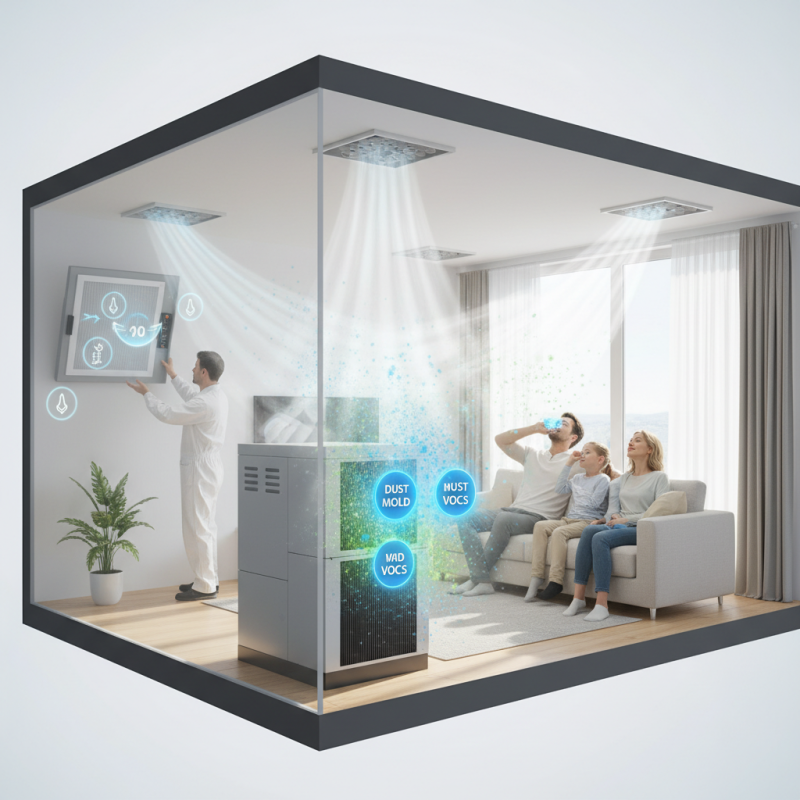
Common pollutants include dust, mold, and volatile organic compounds. These contaminants can accumulate in homes without proper ventilation. The HVAC air system plays a vital role in filtering and circulating air. A well-maintained system helps reduce allergens and ensures fresh air intake.

Ignoring HVAC air quality can have serious consequences. Some might overlook the importance of routine maintenance. Regular checks on filters and ducts can significantly improve air quality. Staying informed enables you to create a healthier space for yourself and your family.
Why is HVAC Air Quality Important for Your Health?

The Role of HVAC Systems in Maintaining Indoor Air Quality
Why is HVAC Air Quality Important for Your Health?

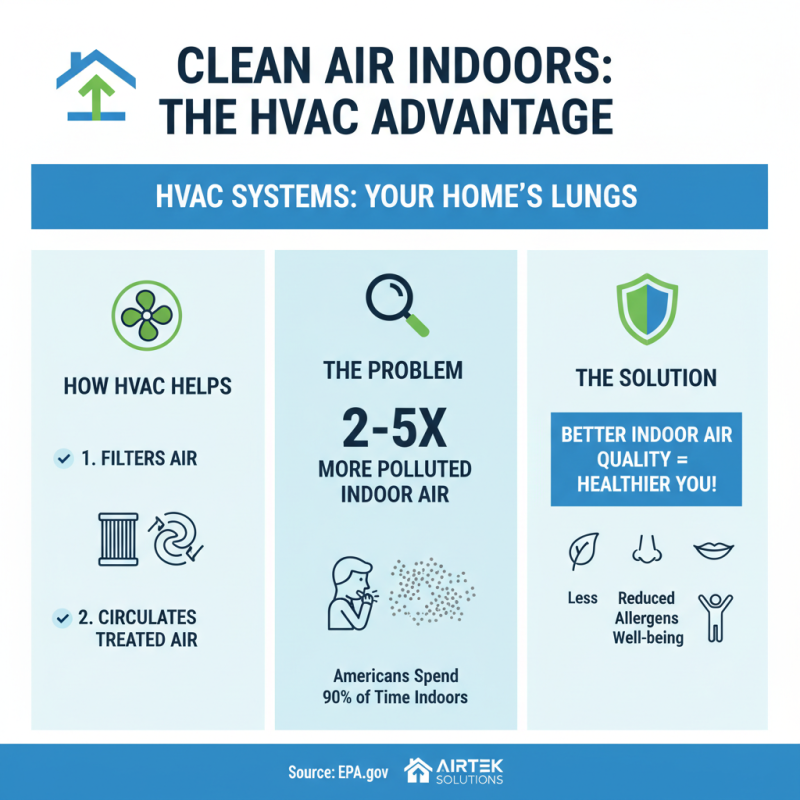
HVAC systems play a crucial role in maintaining indoor air quality. They filter and circulate air, helping to reduce pollutants. According to the Environmental Protection Agency (EPA), indoor air can be two to five times more polluted than outdoor air. This is alarming considering that Americans spend about 90% of their time indoors.

Proper HVAC maintenance is essential. Dirty filters can decrease efficiency and release contaminants back into the air. The American Society of Heating, Refrigerating, and Air-Conditioning Engineers (ASHRAE) recommends changing filters regularly. A study found that 50% of HVAC systems are not properly maintained, which can lead to health issues. Poor air quality can trigger allergies and respiratory problems.

Temperature and humidity also affect air quality. HVAC systems help control both, but if not functioning correctly, they can create a breeding ground for mold. A report from the National Institute of Occupational Safety and Health (NIOSH) highlights that mold exposure can lead to serious health risks. Addressing these issues in HVAC systems is vital for a healthier indoor environment.
Impact of Poor Air Quality on Respiratory Health and Allergies

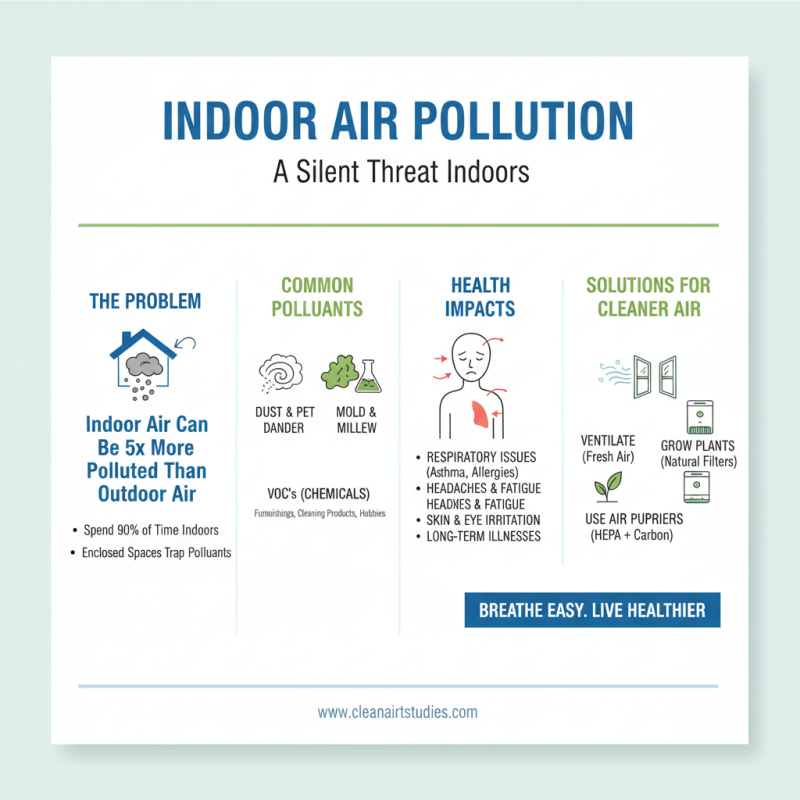
Indoor air quality plays a crucial role in respiratory health and allergies. When the air inside our homes is polluted, it can lead to serious health issues. Dust, mold, and pet dander circulate in the air we breathe. These allergens can trigger asthma attacks and worsen existing respiratory conditions.

Poor air quality can affect everyone, especially children and the elderly. A stuffy or musty smell often indicates trouble. This environment can lead to symptoms like sneezing, coughing, and shortness of breath. Sometimes, we may ignore the signs, thinking they will pass. But those symptoms often reveal deeper problems.

Cleaning the air in your home is essential. Air purifiers can reduce allergens effectively. Regular cleaning will help lower dust levels. Changing air filters can make a significant difference. However, small changes in lifestyle can also help, like letting fresh air in. Yet we often forget these simple steps. Understanding the importance of clean air can guide us to healthier choices.

Statistics on Indoor Air Pollution and Its Effects on Well-being

Why is HVAC Air Quality Important for Your Health?

Indoor air pollution is a serious concern. Many people spend most of their time indoors. This makes it vital to ensure good air quality in homes and workplaces. Studies show that indoor air can be more polluted than outdoor air. Common pollutants include dust, mold, and volatile organic compounds (VOCs). These can lead to health issues like respiratory problems, headaches, and fatigue.

Health statistics reveal alarming facts. For example, indoor air pollution is linked to asthma and allergies. Children and the elderly are particularly vulnerable. Poor air quality can affect cognitive functions and mood as well. Polluted air can impact your life in ways you might not even realize. It’s troubling when simple changes can make a big difference.

**Tips:** Regularly change air filters and clean air ducts. Consider using air purifiers in your home. Also, opening windows can help improve ventilation. Be mindful of chemicals in cleaning products too. Avoiding harsh sprays or solvents can reduce harmful VOCs. Ensuring good indoor air quality takes effort but is worth the investment in your health.

Best Practices for Improving HVAC-Related Air Quality

HVAC systems play a crucial role in maintaining indoor air quality. Poor air quality can lead to various health issues such as respiratory problems and allergies. According to the Environmental Protection Agency, indoor air can be two to five times more polluted than outdoor air. This is alarming, given that most people spend nearly 90% of their time indoors.

Improving air quality starts with regular maintenance of HVAC systems. Clean filters can significantly enhance air circulation. It is recommended to change filters every three months. Dust and debris accumulate quickly. A dirty filter can hinder airflow, making the system work harder. This not only affects efficiency but also air quality.

Tip: Consider using high-efficiency particulate air (HEPA) filters. These can trap smaller particles and allergens effectively.

Moisture control is another essential practice. High humidity can lead to mold growth, which can adversely affect health. Keeping humidity levels between 30% to 50% is ideal. Monitoring indoor humidity will help you stay on top of the issue.

Tip: Use dehumidifiers in damp areas, such as basements. Regular checks can prevent serious mold issues before they start.

Benefits of Regular HVAC Maintenance for Air Quality and Health

Air quality directly impacts health. HVAC systems play a crucial role in maintaining this quality. According to the Environmental Protection Agency (EPA), indoor air can be five times more polluted than outdoor air. Regular HVAC maintenance is essential to prevent the buildup of dust, mold, and allergens.

Changing filters is one of the simplest tasks. Filters should be changed every one to three months. Dirty filters not only reduce air quality but also strain the system. This can lead to increased energy consumption. In fact, a clean filter can improve system efficiency by up to 15%, according to the American Society of Heating, Refrigerating and Air-Conditioning Engineers (ASHRAE).

Moreover, regular inspections can identify issues early. Clogged ducts or malfunctioning components can drastically decrease air quality. The National Institute of Health (NIH) states that poor indoor air can exacerbate respiratory issues. Many families may unknowingly live in unhealthy environments. Regular maintenance not only enhances air quality but also promotes long-term health benefits.

Why is HVAC Air Quality Important for Your Health? - Benefits of Regular HVAC Maintenance for Air Quality and Health

Dimension Data
Indoor Air Quality (IAQ) Rating Good (AQI < 50)
Common Indoor Pollutants Dust, Mold, VOCs, Pollen
Health Risks of Poor Air Quality Asthma, Allergies, Respiratory Issues
Frequency of HVAC Maintenance Every 6 months
Impact of Regular Maintenance on Air Quality Reduces pollutants by up to 50%
Recommended Filter Change Interval Every 3 months
Energy Efficiency Improvement Up to 30% savings on energy bills