Skip to content

What is an HVAC System Upgrade and Why Should You Consider It?

Upgrading your HVAC system can significantly enhance home comfort and efficiency. According to HVAC expert John Smith, "An effective HVAC system upgrade can save you money and improve air quality." This statement resonates particularly in today's world, where energy efficiency is paramount.

Many homeowners overlook the signs that indicate a need for an upgrade. Examples include inconsistent temperatures and higher energy bills. These issues suggest that the existing system struggles to meet demand. An upgrade HVAC system can solve these problems while providing an eco-friendly solution.

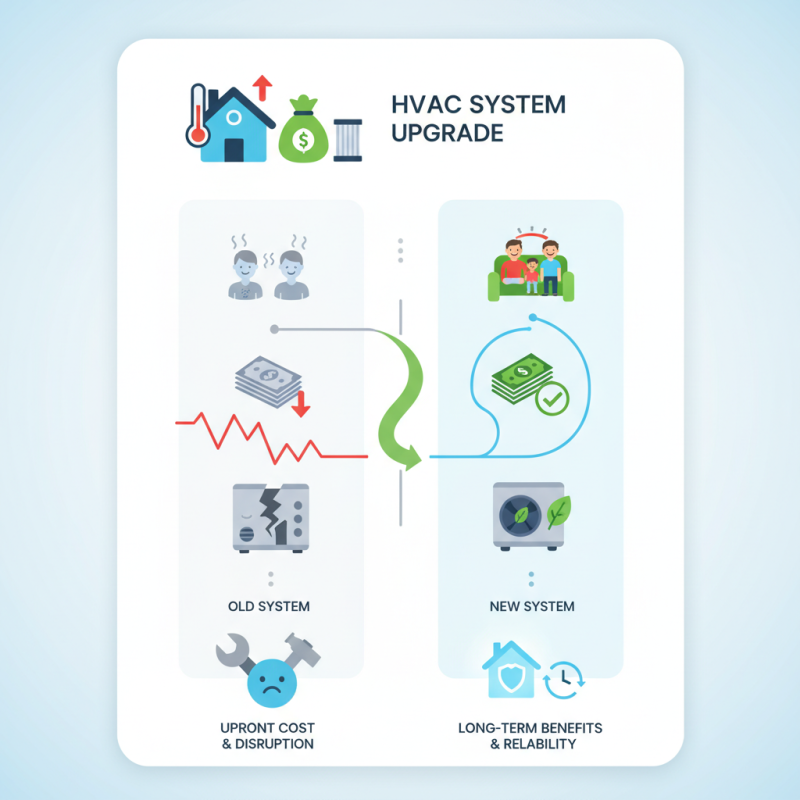
Investing in a new system can be daunting. Consider the upfront costs and potential disruptions during installation. However, the long-term benefits can outweigh these initial concerns. Improved performance and reliability are worth the effort. Homeowners must reflect on whether their current system meets their needs; an upgrade might be the key to a more comfortable living space.
What is an HVAC System Upgrade and Why Should You Consider It?

What is an HVAC System Upgrade? Understanding the Basics
What is an HVAC System Upgrade and Why Should You Consider It?

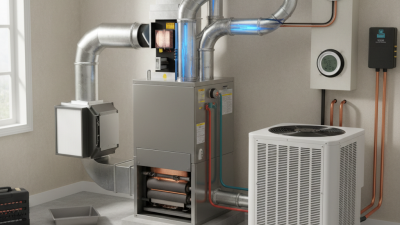
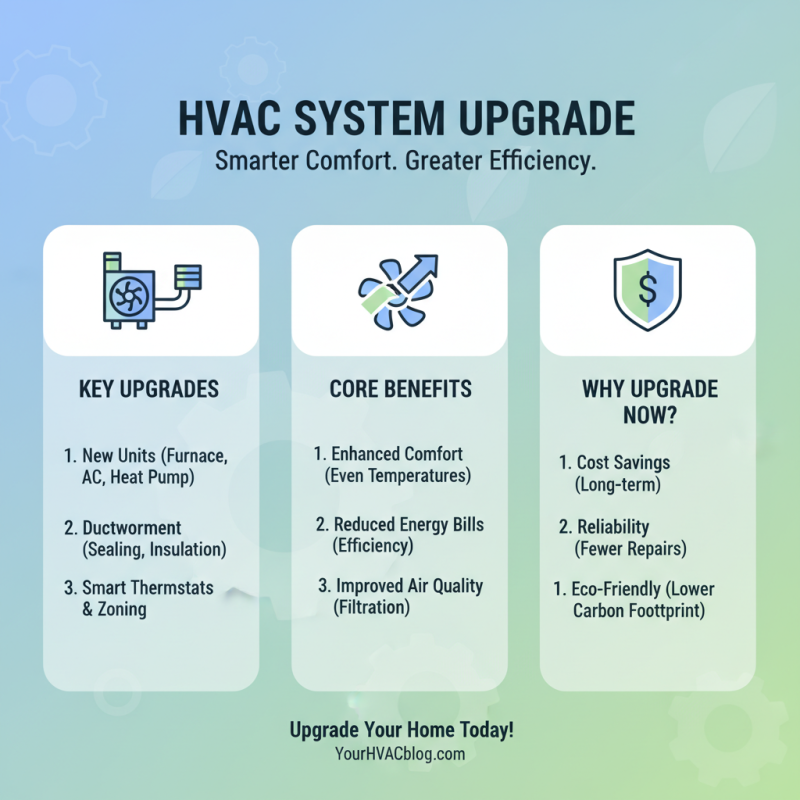
An HVAC system upgrade refers to the process of enhancing your heating, ventilation, and air conditioning system. This can involve replacing old units, improving ductwork, or adding smart technology. Many homeowners may overlook the benefits of updating these systems. However, doing so can lead to significant improvements in comfort and efficiency.

Understanding the basics of an HVAC system upgrade is vital. A modern system often uses less energy, which can lower utility bills. Improved air quality is also a key factor. For instance, adding better filters can reduce allergens in your home. However, selecting the right upgrades can be complex and overwhelming. Not every upgrade suits every home, so personalized assessments are necessary.

Investing in an upgrade is not just about efficiency; it’s about comfort. Many people wait until their systems fail before considering changes. This can lead to discomfort during extreme weather conditions. Upgrading before a breakdown can save you hassle and money in the long run. It’s important to regularly reflect on your current system's performance. Is it meeting your needs? Are there areas for improvement?
Key Benefits of Upgrading Your HVAC System: Efficiency and Comfort

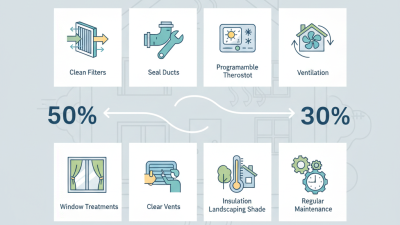
Upgrading your HVAC system brings significant benefits in terms of efficiency and comfort. According to the U.S. Department of Energy, upgrading to a modern cooling and heating system can improve energy efficiency by 20% to 50%. This can translate into lower utility bills and a smaller carbon footprint. Imagine saving hundreds of dollars each year while also contributing to environmental sustainability.

Comfort is also a crucial aspect of HVAC upgrades. New systems provide better temperature control and more consistent airflow. A study by the American Society of Heating, Refrigerating and Air-Conditioning Engineers shows that proper ventilation and humidity control can improve overall indoor air quality. This can lead to better health, especially for those with allergies or respiratory issues. It’s a clear win for homeowners who prioritize comfort and well-being.

Yet, not all upgrades are straightforward. Some homeowners may find the initial costs daunting. They might hesitate to invest without considering long-term gains. Additionally, improper installation can negate efficiency benefits. It’s vital to choose knowledgeable professionals for this task. Reflecting on these factors is crucial before making decisions about HVAC improvements.

Significant Industry Data Supporting HVAC Upgrades and Their ROI

What is an HVAC System Upgrade and Why Should You Consider It?

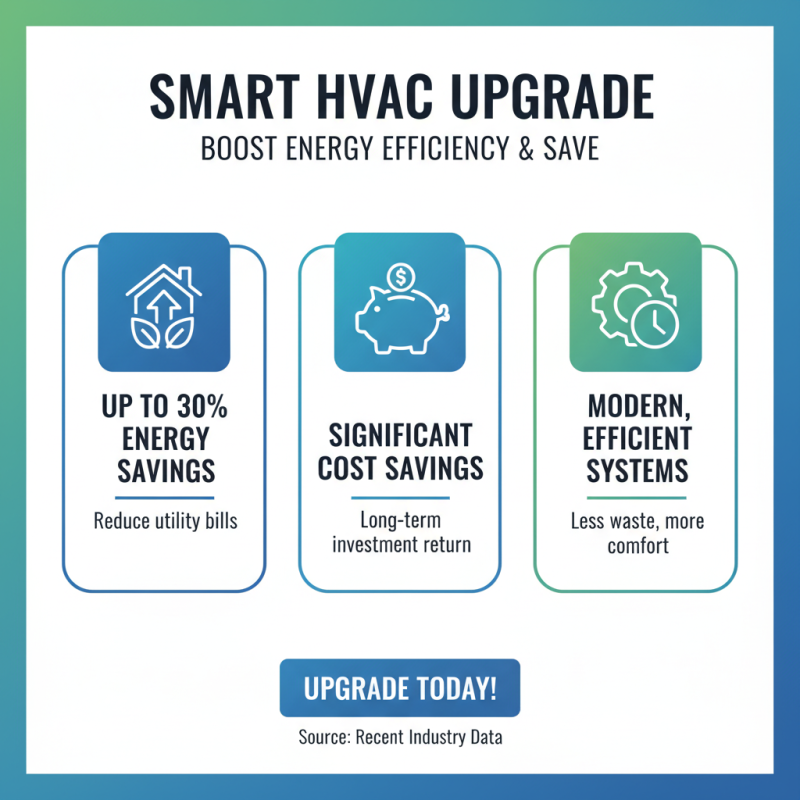
An HVAC system upgrade can dramatically enhance energy efficiency. Recent industry data shows that upgrading to modern systems can reduce energy bills by up to 30%. This means significant savings over time. Many homes and businesses waste money on outdated systems that are less efficient. The trend is clear; investing in an upgrade pays off.

Not only do new HVAC systems promise lower energy costs, but they also improve comfort levels. Advanced models regulate temperature better, ensuring every room maintains a consistent climate. Moreover, these systems often have better air quality features. However, the transition isn't always smooth. Some older homes may require additional modifications. This can lead to unexpected costs and delays.

Understanding the return on investment (ROI) is crucial. On average, homeowners see a full return on their HVAC investment within five years. The upfront cost may deter some, but the long-term benefits are worth it. Evaluating your current system against these benchmarks can reveal surprises. Upgrading should be a strategic decision, based on solid data and future energy demands.

Common Signs Indicating It’s Time to Upgrade Your HVAC System

An HVAC system upgrade is essential for maintaining a comfortable and efficient home environment. Several signs indicate that it might be time to consider an upgrade. For instance, annual energy bills that continue to rise could suggest that your current system is nearing the end of its lifespan. According to the U.S. Department of Energy, older systems can operate at only 60% of their original efficiency. This inefficiency can cost homeowners significantly over time.

Unusual noises can also signal an urgent need for an upgrade. A loud system might indicate worn-out components. Ignoring this could lead to sudden breakdowns during extreme weather. The Indoor Air Quality Association (IAQA) emphasizes that poor air quality linked to outdated systems can worsen health problems. If you notice frequent dust buildup or musty odors, it’s likely time for an upgrade.

Another telltale sign is uneven heating or cooling in your home. This inconsistency can indicate that the system is struggling to maintain temperature. Many homeowners find this frustrating. It doesn't just affect comfort; it can also lead to increased wear and tear on the system. A survey by Energy Star suggests that upgrading to a newer, more efficient HVAC system can reduce energy usage by 20-50%. Such improvements reflect the necessity of assessing your system regularly. Ignoring these signs may lead to increased costs and reduced comfort over time.

Signs It's Time to Upgrade Your HVAC System

Modern Technologies in HVAC Systems: Smart and Energy-Efficient Options

Modern HVAC systems are evolving rapidly. They now feature smart technology and energy efficiency. According to a report by the U.S. Department of Energy, up to 30% of energy is wasted in residential buildings. Upgrading to smart HVAC systems can significantly reduce this waste.

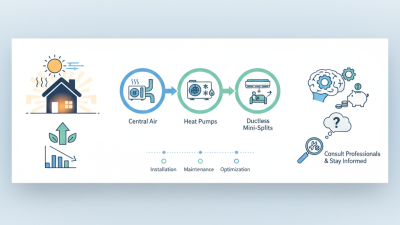
Smart thermostats are gaining popularity. They learn your habits and adjust temperatures accordingly. This can lead to energy savings of around 10-15%. Energy-efficient systems also qualify for rebates, making them a financially attractive option. However, installation costs can be high and vary widely.

Ductless mini-splits are another modern choice. They eliminate duct losses and provide targeted heating and cooling. A study by the American Council for an Energy-Efficient Economy found that these systems may reduce energy use by up to 30%. People often overlook these benefits but should consider them. The long-term savings can be substantial, though the initial investment may be daunting.

What is an HVAC System Upgrade and Why Should You Consider It?

Dimension Details
Energy Efficiency Upgrading to ENERGY STAR rated HVAC systems can improve efficiency by 20-50%.
Cost Savings Modern systems can reduce energy bills by an average of 30% annually.
Smart Technology Smart thermostats optimize heating and cooling schedules based on user preferences and occupancy.
Indoor Air Quality Upgraded systems often include advanced filtration that reduces allergens and pollutants.
Maintenance Requirements Modern HVAC systems typically require less frequent maintenance compared to older units.
Environmental Impact Energy-efficient systems contribute to reduced greenhouse gas emissions.
Comfort Levels Upgrades lead to more consistent temperatures and improved humidity control in your home.