Skip to content

Understanding the Essential Parts of HVAC System for Improved Home Efficiency in 2025

As we approach 2025, understanding the essential parts of HVAC systems is crucial for enhancing home efficiency and sustainability. According to the U.S. Department of Energy, heating and cooling account for nearly 50% of a home's energy consumption, making the optimization of HVAC systems imperative for reducing energy bills and greenhouse gas emissions. Industry expert Dr. Emily Carson, a renowned energy efficiency researcher, emphasizes this point by stating, "The parts of HVAC systems must be viewed not just as components, but as integral elements that significantly influence the overall energy performance of buildings."
Understanding the Essential Parts of HVAC System for Improved Home Efficiency in 2025

The upcoming trends in HVAC technology indicate that more homeowners are becoming aware of the benefits of investing in high-efficiency systems. A recent report from the International Energy Agency projects that, by 2025, energy-efficient HVAC systems could reduce energy demand in residential buildings by up to 30%. This shift is largely attributed to advancements in smart technology and the integration of renewable energy sources. Moreover, understanding how the parts of HVAC systems work together can lead to innovative solutions that improve both comfort and efficiency.

By focusing on the core components—such as compressors, heat exchangers, and ductwork—homeowners can make informed decisions about upgrades and maintenance. As we navigate the complexities of modern living, a comprehensive grasp of the parts of HVAC systems will not only enhance individual home performance but also contribute to broader energy efficiency goals in our communities.

Key Components of HVAC Systems for Optimal Home Performance

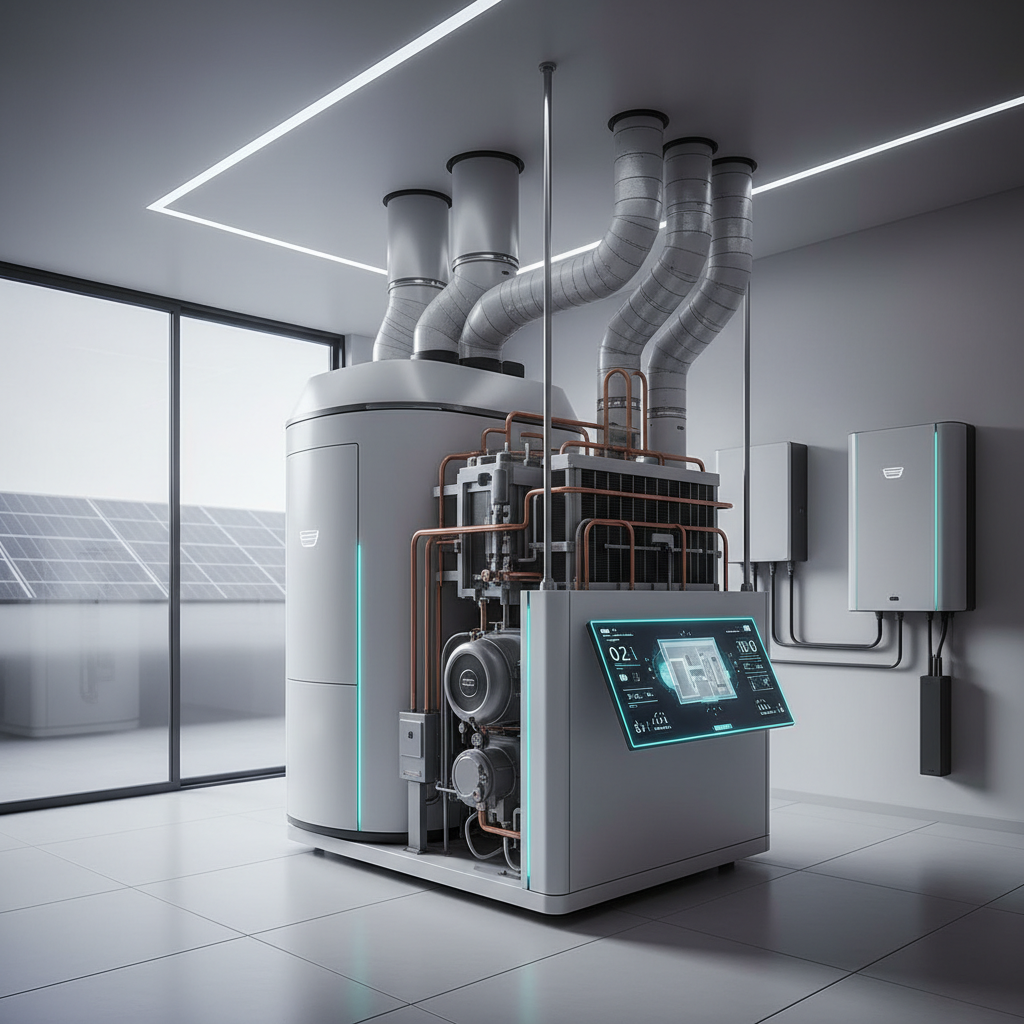
HVAC systems are crucial for maintaining a comfortable and energy-efficient home environment, and understanding their key components is essential for optimal performance. The core components of an HVAC system include the furnace, air conditioning unit, heat pump, and ductwork. Each of these parts plays a vital role in regulating indoor temperature, airflow, and humidity levels. For instance, the effectiveness of the heat pump in an HVAC setup is determined by its ability to efficiently transfer heat, while the quality of ductwork ensures that heated or cooled air circulates evenly throughout the home.

As technology advances, integrating smarter control systems becomes increasingly important. Modern HVAC systems are now equipped with advanced sensors and AI algorithms that enable real-time monitoring and adjustment of heating and cooling operations based on occupancy and preferences. This innovation not only enhances energy efficiency but also leads to a more personalized living experience. Installing an HVAC system that incorporates these cutting-edge technologies can significantly reduce energy consumption, ultimately leading to lower utility bills and a smaller carbon footprint.

Understanding the Essential Parts of HVAC System for Improved Home Efficiency in 2025

Component Function Benefits Efficiency Rating
Thermostat Controls the temperature Enhances comfort and energy savings Up to 20% energy savings
Heat Pump Transfers heat between indoor and outdoor High efficiency with dual functionality 3.0 to 5.0 COP (Coefficient of Performance)
Ductwork Distributes air throughout the home Improves air quality and consistency N/A
Air Filter Removes dust and allergens from the air Promotes health and efficiency N/A
Compressor Circulates refrigerant Essential for cooling efficiency SEER 14 - 25 (Seasonal Energy Efficiency Ratio)
Condensing Unit Releases heat outdoors Critical for overall system performance HSPF 7.5 - 10.0 (Heating Season Performance Factor)

Innovations in HVAC Technology for Enhanced Energy Efficiency

Understanding the Essential Parts of HVAC System for Improved Home Efficiency in 2025

In 2025, the HVAC industry is expected to witness significant technological innovations aimed at enhancing energy efficiency. According to the International Energy Agency (IEA), advancements in HVAC technology could reduce global energy consumption in buildings by up to 30%. Smart thermostats, for example, enable homeowners to optimize energy use by adjusting temperatures based on occupancy patterns, thus leading to energy savings of approximately 10-15% annually.

Additionally, the integration of IoT (Internet of Things) devices into HVAC systems allows for real-time monitoring and predictive maintenance, reducing the overall operational costs and improving system efficiency. A report by MarketsandMarkets indicates that the IoT in HVAC market is projected to reach $8 billion by 2025, showcasing the growing trend of connectivity in home systems. As these innovations continue to emerge, homeowners will benefit from lower utility bills and a reduced carbon footprint, making efficient HVAC systems an essential component of sustainable living.

Understanding HVAC System Maintenance for Longevity and Savings

Understanding the Essential Parts of HVAC System for Improved Home Efficiency in 2025

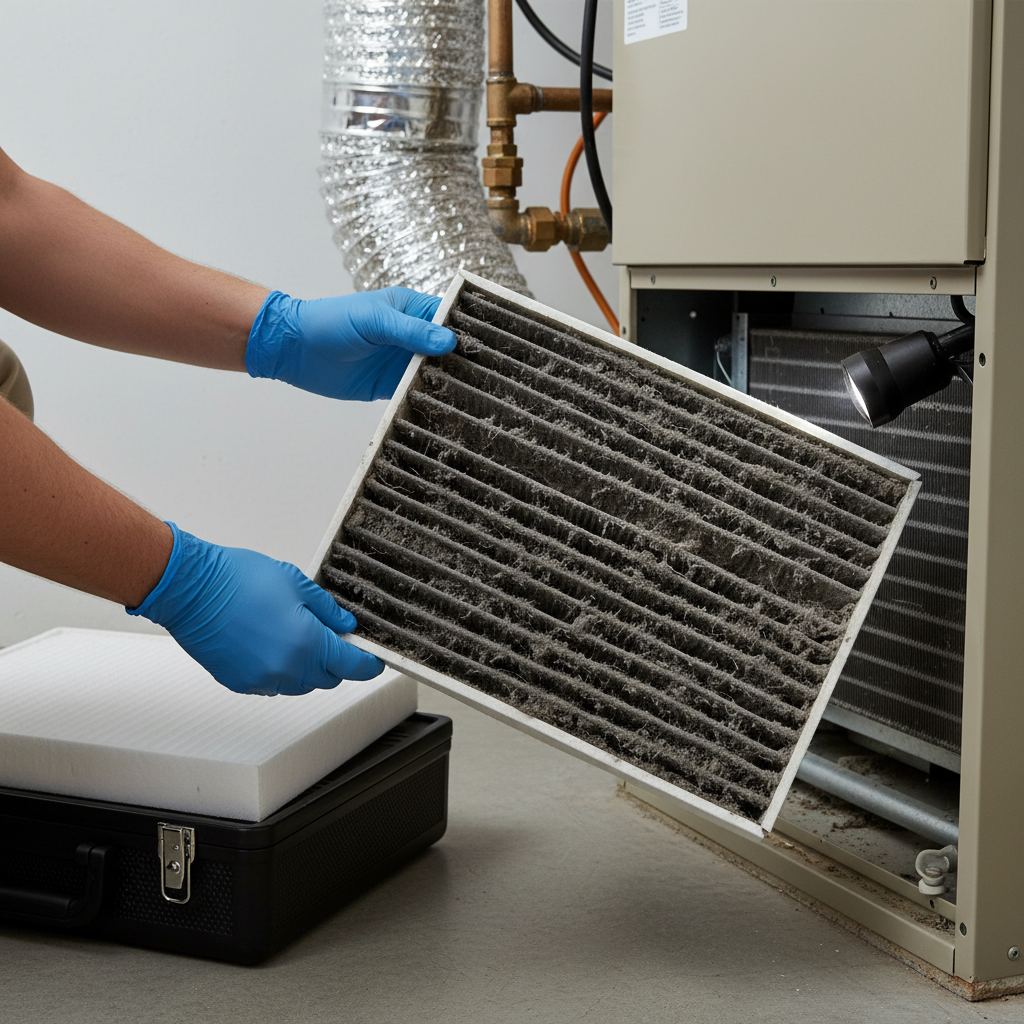
To ensure the longevity and efficiency of your HVAC system, regular maintenance is crucial. Routine checks can help identify potential issues before they escalate, saving you both time and money. Key components like air filters, coils, and ductwork should be inspected and cleaned regularly. Dirty filters can restrict airflow, forcing the system to work harder and increasing energy bills.

**Tips:** Change your air filters every 1-3 months, especially during peak seasons. This simple step can enhance indoor air quality and improve system efficiency. Additionally, consider scheduling a professional tune-up at least once a year to keep your HVAC system operating smoothly.

Monitoring your thermostat settings can also contribute significantly to energy savings. By programming your thermostat to adjust temperatures when you're not home, you reduce unnecessary energy consumption.

**Tips:** Utilize smart thermostats that allow you to control your HVAC system remotely, optimizing efficiency effectively. Remember, a well-maintained HVAC system not only operates more efficiently but also extends its lifespan, ultimately leading to significant savings over time.

The Role of Smart Thermostats in Modern HVAC Efficiency

Smart thermostats are revolutionizing the way we manage heating, ventilation, and air conditioning (HVAC) systems in our homes. By integrating advanced technology with user-friendly interfaces, these devices enable homeowners to optimize energy usage without sacrificing comfort. With features such as learning algorithms, remote access, and adaptive scheduling, smart thermostats can significantly reduce energy consumption, lowering utility bills and benefiting the environment.

In 2025, the synergy between smart thermostats and HVAC systems will be more apparent, as smart devices become increasingly intuitive. They will collect and analyze data on household patterns, allowing for precise temperature adjustments based on real-time needs. This capability not only enhances comfort but also ensures that HVAC systems operate efficiently, reducing wear and tear and extending their lifespan. As we move towards a more energy-conscious future, the integration of smart technology in HVAC systems will be pivotal in promoting sustainable living.

Environmental Impact of Upgraded HVAC Systems in Residential Homes

The environmental impact of upgraded HVAC systems in residential homes is significant, particularly as we move toward 2025. Modern HVAC systems are designed to operate more efficiently, consuming less energy while providing optimal comfort. This reduction in energy usage directly correlates with lower greenhouse gas emissions, making homes more sustainable. By integrating advanced technologies, such as smart thermostats and variable-speed units, homeowners can manage their energy consumption in real-time, further minimizing their carbon footprint.

Additionally, many new HVAC systems use eco-friendly refrigerants that have a much lower global warming potential compared to their older counterparts. This shift not only helps to mitigate environmental damage but also aligns with global initiatives to combat climate change. As more homeowners invest in these upgraded systems, the cumulative effect can lead to a substantial reduction in energy demand, promoting a healthier planet. Therefore, embracing advanced HVAC technologies not only enhances home efficiency but also plays a crucial role in fostering sustainable living practices.