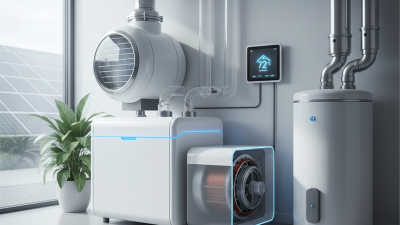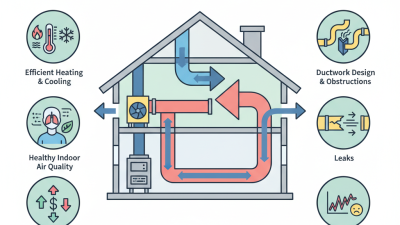
The importance of efficient HVAC design cannot be overstated. According to the U.S. Department of Energy, nearly 30% of the energy used in commercial buildings is due to heating and cooling. This highlights the need for effective climate control solutions. As HVAC expert Dr. Emily Jones states, "Smart design can transform energy efficiency, reducing costs significantly while enhancing comfort."
Incorporating energy-efficient HVAC design strategies can lead to substantial savings. For instance, optimizing system placement and selecting the right equipment are crucial steps. Many designers overlook the significance of proper insulation, which can greatly impact energy loss. Additionally, the integration of smart technologies in HVAC systems offers remarkable potential for energy management.
The focus on efficient HVAC design is not just about cost savings; it’s also about environmental responsibility. As buildings contribute to a significant portion of greenhouse gas emissions, adopting effective design strategies is essential. Reflecting on these challenges can help redefine HVAC standards, paving the way for a greener future. Embracing innovation in HVAC design opens the door to better buildings and a more sustainable planet.
To achieve optimal efficiency in HVAC design, it’s vital to start with accurate load calculations. The ASHRAE Standard 183 suggests using hourly simulations to predict building performance. This allows designers to tailor system capacities precisely, which enhances energy efficiency. Over-sizing units can lead to increased energy costs and humidity issues. Reports indicate that every 1% increase in system efficiency can save up to 3% on energy bills, emphasizing the importance of proper sizing.
Another key principle is zoning. Dividing spaces into distinct temperature-controlled zones allows for more targeted climate control. According to a study by the U.S. Department of Energy, implementing zoning can reduce energy use by 10-30%. This approach not only improves comfort levels but also ensures that heating and cooling resources are used effectively. However, establishing zones requires careful planning and may present challenges in older buildings with existing layouts.
Ventilation is equally important. A well-designed ventilation system improves indoor air quality and comfort. The CDC recommends optimizing fresh air intake to reduce airborne pollutants. Yet, balancing air quality and energy efficiency can be tricky. Too much ventilation can lead to energy waste, while too little can harm occupants. Striking the right balance demands ongoing assessments and adjustments, highlighting the dynamic nature of effective HVAC design.
When sizing HVAC systems, several key factors must be taken into account. According to the U.S. Department of Energy, improperly sized systems can result in 30% higher energy usage. A fundamental aspect is the calculation of the building's square footage. Knowing this enables better estimations of heating and cooling needs.
Another important factor is the insulation quality of the building. Poor insulation can drastically affect energy efficiency. A well-insulated home retains temperature better, reducing the HVAC system's workload. Incorporate energy modeling software to simulate different scenarios and outcomes. This technology aids in making informed decisions about system design.
Be aware that climate conditions impact system requirements too. Different regions may need varying capacities for heating or cooling. Evaluate local climate data to understand annual energy cost variations. In certain areas, it may be more efficient to opt for a heat pump instead of traditional systems.
Consider the layout and airflow design. Duct placement can influence overall system performance. Ensure ducts are appropriately sealed and insulated to prevent air loss. Remember that even minor oversights can lead to significant inefficiencies over time.
Effective climate control hinges on optimal airflow and distribution. Achieving this requires a blend of innovative techniques. Zoning your HVAC system is one strategy. This allows for tailored temperature settings in different areas. Consider installing dampers to control airflow. This enhances comfort without overworking the system.
Another effective method focuses on ventilation design. Utilize energy recovery ventilators to capture heat. This reduces energy loss while improving air quality. Incorporating smart technology can also streamline airflow. Smart thermostats learn occupant habits. They adjust settings automatically for maximum efficiency.
However, many overlook maintenance practices. Regularly cleaning ducts can prevent airflow blockages. Neglected systems often lead to inefficiency and higher costs. Monitoring humidity levels is critical too. High humidity can decrease comfort and encourage mold growth. Balancing humidity with an appropriate dehumidification system is essential for overall comfort.
In today's world, energy efficiency is not just a trend but a necessity. Selecting energy-efficient HVAC equipment can significantly reduce energy consumption. This decision impacts not only monthly bills but also the broader environment. Modern systems are designed with advanced technology, improving efficiency while maintaining comfort.
Choosing the right HVAC equipment involves understanding different models' energy ratings. Higher ratings often mean lower energy use. However, decision-makers must balance initial costs against long-term savings. Sometimes, upfront investment can be daunting, leading to regrets later when energy bills skyrocket.
It’s crucial to consider system maintenance as well. Even the most efficient equipment can underperform if not well cared for. Regular checks and upkeep help devices run smoothly. Ignoring these aspects can result in inefficiencies. Ultimately, the choice of HVAC equipment should reflect a commitment to sustainability and efficiency, benefiting both the user and the planet.
Integrating smart technology into HVAC systems can significantly enhance energy efficiency. According to the U.S. Department of Energy, advanced HVAC technologies can reduce energy consumption by up to 30%. One effective strategy is to implement smart thermostats that learn user behaviors and adjust settings accordingly. This allows for optimized heating and cooling schedules, which can lead to reduced energy waste.
Another critical aspect is the use of IoT (Internet of Things) devices. These devices provide real-time data on system performance and potential issues. Regular monitoring can prevent costly repairs and ensure reliable climate control. A study by ResearchGate indicates that smart-controlled HVAC systems can improve comfort levels while also lowering utility bills by 10-15%.
Consider incorporating zoning systems in your HVAC design. Zoning allows different areas of a building to be heated or cooled independently. This targeted approach can further enhance energy efficiency. Many users overlook this integration, not realizing its potential benefits for both comfort and cost savings.
Automation is another area worth exploring. Automated systems can adjust based on outside weather conditions and occupancy levels. This not only improves user experience but also reduces energy consumption significantly. Addressing these elements can create a robust climate control solution that meets modern demands.
| Tip | Description | Benefits | Integration of Smart Technology |
|---|---|---|---|
| Optimize System Sizing | Ensure HVAC systems are sized correctly for the space. | Improved efficiency and comfort. | Smart sensors can provide real-time data for accurate sizing. |
| Implement Zoning Systems | Divide your space into zones for targeted heating and cooling. | Enhanced comfort and reduced energy consumption. | Smart thermostats allow for remote control of each zone. |
| Use High-Efficiency Equipment | Select energy-efficient HVAC units that meet energy star ratings. | Long-term savings on energy bills. | Smart technology can monitor performance and suggest upgrades. |
| Regular Maintenance Schedule | Establish a routine maintenance plan for your HVAC system. | Prevents breakdowns and prolongs system life. | Smart devices can provide reminders and logs of maintenance done. |
| Incorporate Renewable Energy Sources | Utilize solar or wind energy for HVAC systems. | Significantly reduce greenhouse gas emissions. | Smart technology can optimize the use of renewable resources. |