
Skip to content

2026 How to Choose the Best Galvanized Coil for Your Needs?

Choosing the right Galvanized Coil can be a challenge. Industry expert John Harris states, “The right choice can make or break a project.” Understanding your needs is crucial. Galvanized coils are versatile materials used in various applications. They resist corrosion and provide durability.

When selecting a galvanized coil, consider factors like coating thickness and mechanical properties. Your specific use case will determine the best options. The market offers a range of products, but not all may meet your expectations. Sometimes, buyers overlook important details. Assess your requirements carefully to avoid costly mistakes.

Pay attention to the quality standards. Not all suppliers provide the same level of product consistency. Some coils may look perfect but have hidden flaws. Reflect on your previous purchases to guide your decision-making. Finding the best galvanized coil involves both research and reflection.
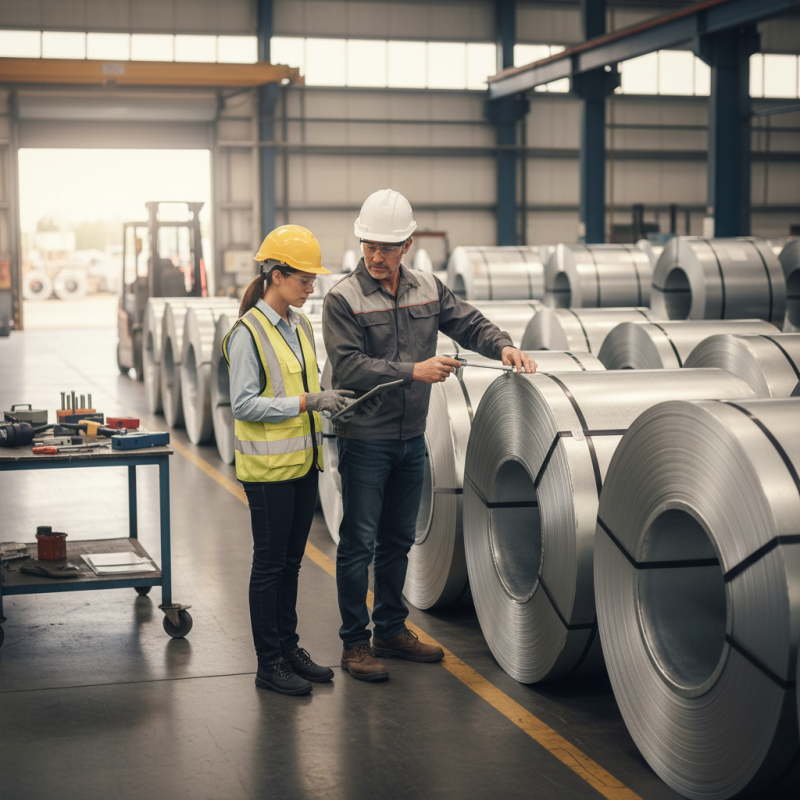
2026 How to Choose the Best Galvanized Coil for Your Needs?

Understanding Galvanized Coils: Definition and Types

Galvanized coils are vital in various industries, providing corrosion resistance for many applications. A galvanized coil is a steel sheet coated with zinc. This process protects the steel underneath. There are two primary types of galvanized coils: hot-dip and electro-galvanized. Hot-dip galvanized steel is submerged in molten zinc, making it thicker and more robust. Electro-galvanized coils, on the other hand, have a thinner coating applied through electroplating.

Industry data indicates that the demand for galvanized steel is expected to rise. According to a market research report, the global galvanized steel market could reach $210 billion by 2025. The construction and automotive sectors are major contributors to this growth. However, choosing the right type of galvanized coil can be tricky. Factors like thickness, coating weight, and intended use should be considered. Not all applications require heavy coating. For example, lighter coatings might suffice in environments with less exposure to moisture.

Some experts highlight the importance of understanding failings in quality control. Sometimes, coils have inconsistent thickness that can compromise performance. Buyers must be vigilant. Testing samples before bulk purchases can help mitigate risks. Clear communication with suppliers ensures that the selection aligns with project needs and expectations. Not every choice is perfect; learning from mistakes remains crucial.

2026 How to Choose the Best Galvanized Coil for Your Needs?

This bar chart represents various specifications important when selecting a galvanized coil, including thickness, zinc coating weight, width, and length. Understanding these dimensions can help ensure you choose the right galvanized coil for your specific requirements.

Key Factors in Choosing Galvanized Coils for Your Application

Choosing the right galvanized coil for your application involves several key factors. Start with understanding your project's specifications. Think about the width and thickness of the coil. Some tasks may require thicker materials for durability, while others may benefit from a lighter option. Evaluating the environment is also essential. Coastal areas, for instance, demand increased corrosion resistance.

Next, consider the coil's coating weight. A heavier coating provides better protection but can affect the final appearance. It also raises costs. Assess your budget and prioritize performance based on your needs. It's important to balance quality with economy. Sometimes, opting for a cheaper option leads to higher long-term expenses due to repairs.

Lastly, reflect on your experience with previous materials. It's wise to learn from past projects. Did a specific material last longer or perform better? Gather data from those experiences to inform your decision. Ultimately, the right galvanized coil should align with your specific needs, ensuring optimal performance and durability in your application.

Evaluating the Quality of Galvanized Coils: Standards and Certifications

When choosing a galvanized coil, it's essential to assess the quality. Look for specific standards and certifications that indicate reliability. The American Society for Testing and Materials (ASTM) sets guidelines for galvanized materials. These guidelines cover corrosion resistance and durability.

Additionally, check for Galvanized Steel Sheets (GSS) certifications. They ensure the product meets specific quality metrics. A reliable coil should also have a uniform coating. Uneven zinc application can lead to rusting. Testing methods like visual inspection and adhesion testing can help evaluate this.

Remember, not all galvanized coils are the same. Some may lack critical certifications. If unsure, consult product documentation. Quality should never be compromised for price. Reflecting on these aspects can save money in the long run.

Cost Considerations When Selecting Galvanized Coils

When selecting galvanized coils, cost considerations play a crucial role. The price can vary significantly based on thickness, width, and coating weight. It's important to understand your specific needs. Some projects require heavier coatings for better corrosion resistance, which may increase costs.

Tips: Consider the long-term benefits of investing in higher-quality galvanized coil. While the initial price might be higher, durability can lead to lower maintenance costs. Don't forget to factor in shipping and handling fees, which can impact your overall budget. Sometimes, these fees are overlooked.

Also, consider your supplier. Not all suppliers have the same pricing structures. Sometimes, lesser-known suppliers offer competitive prices without sacrificing quality. However, be cautious; always research and ask for samples when possible. Balancing cost and quality can be tricky. Avoid making impulse decisions based solely on price.

Lastly, check for bulk purchasing options. Buying larger quantities can sometimes lower the price per unit. But evaluate if you actually need that amount. It's better not to be stuck with excess material that you may never use. Costs can add up quickly, and overspending is a common pitfall in project planning.

Common Applications and Uses of Galvanized Coils in Industries

Galvanized coils are widely used across various industries. Their resistance to corrosion makes them ideal for construction and manufacturing. They are often used in roofing, siding, and fencing. In the automotive industry, galvanized steel is crucial for vehicle frames and components. This material helps increase durability against rust and wear.

In agriculture, galvanized coils serve multiple purposes. They are found in storage tanks and fencing for livestock. Additionally, these coils are commonly used for grain silos, aiding in long-term preservation. Despite their advantages, choosing the right type can be challenging. Factors such as thickness, coating, and intended use must be carefully considered.

Many industries still overlook essential details. The weight of the coil can impact transport and handling. Not every application demands the same level of corrosion resistance. Understanding specific needs is key to making an informed choice. Balancing budget and quality often leads to difficult decisions. Striving for the best outcome requires clear reflection on these factors.

2026 How to Choose the Best Galvanized Coil for Your Needs?

Application Usage Thickness (mm) Width (mm) Typical Zinc Coating (g/m²) Industry
Construction Roofing and Siding 0.6 - 1.0 1000 - 1200 275 Building & Construction
Automotive Chassis Components 0.8 - 1.2 600 - 1300 480 Automotive
Electrical Electrical Panels 0.5 - 0.8 800 - 1000 225 Electrical & Electronics
Agricultural Farm Equipment 1.0 - 1.5 1000 - 1500 350 Agriculture
Home Appliances Housings and Frames 0.6 - 1.0 900 - 1200 275 Consumer Goods