
Skip to content

Top 10 Galvanized Pipe Dimensions You Need to Know?

Galvanized pipes play a crucial role in various construction and plumbing applications. Understanding the precise dimensions of these pipes is essential for professionals in the industry. The dimensions influence structural integrity and flow capacity, which directly impact efficiency. Recent industry reports indicate that improper dimensioning can lead to significant inefficiencies, with up to 30% of projects facing delays due to these issues.

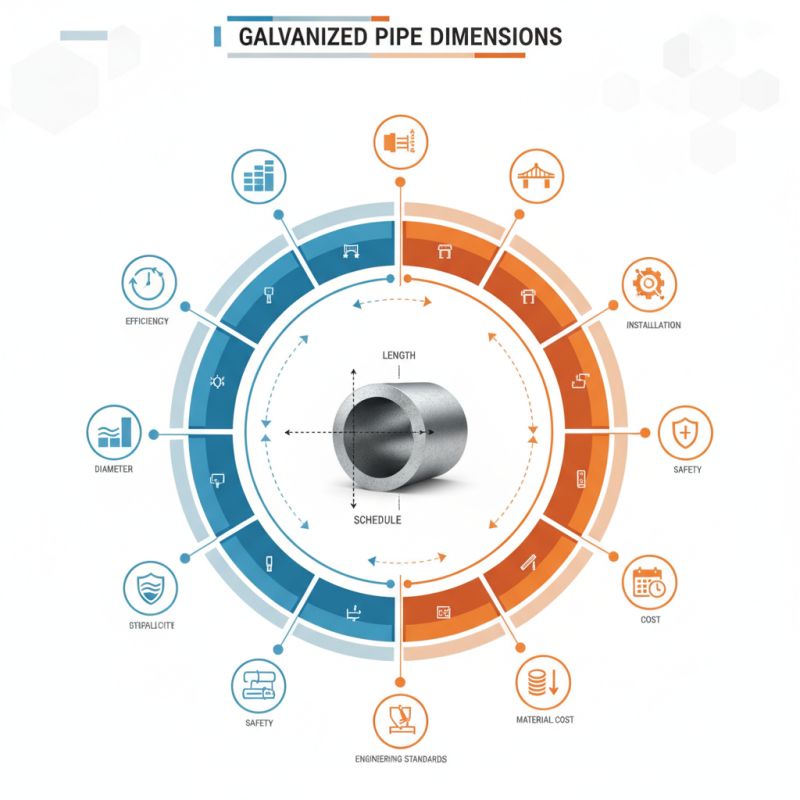
Each galvanized pipe's diameter, schedule, and length affect installation processes and the overall safety of the systems involved. According to the American Iron and Steel Institute, the correct "Galvanized Pipe Dimensions" are vital for meeting engineering standards. They propose specifications that help ensure durability and performance in various environments. Ignoring these dimensions not only compromises safety but can also increase material costs and project timelines.

Being aware of the top 10 galvanized pipe dimensions is fundamental for anyone working in construction or plumbing. These specifications can sometimes be overlooked, resulting in costly mistakes. Ensuring that you have the right dimensions documented and understood can greatly enhance project outcomes. Investing time in this aspect of plumbing and construction is undeniably worthwhile.
Top 10 Galvanized Pipe Dimensions You Need to Know?

Understanding Galvanized Pipe: An Overview of Its Importance

Galvanized pipe plays a vital role in various applications, from plumbing to construction. Its ability to resist corrosion is crucial. This resistance is achieved through a zinc coating. The coating protects the steel beneath, extending the pipe's durability. As a result, galvanized pipes are often preferred for water supply lines and outdoor structures.

Understanding the dimensions of galvanized pipes is equally important. Common sizes include nominal pipe sizes, which are known by their diameter. Diameter affects flow rate and pressure. Along with length, these dimensions can impact the installation process. Proper sizing ensures effective system performance. However, many users neglect to verify dimensions. This oversight can lead to costly errors.

While galvanized pipes offer longevity, they are not without challenges. Over time, the zinc coating can wear away. This can lead to rust and reduced effectiveness. Users should regularly inspect their systems. Awareness of the pipe's condition is essential for maintenance. Adopting a proactive approach can mitigate potential issues down the road. Proper knowledge and attention are key to maximizing the benefits of galvanized pipe.

Common Uses of Galvanized Pipes in Various Industries

Galvanized pipes are essential in various industries due to their corrosion resistance and strength. They are commonly used in plumbing, construction, and agricultural applications. According to a recent industry report, the plumbing sector accounts for over 40% of all galvanized pipe usage. This high demand highlights their significance in delivering clean water.

In construction, galvanized pipes serve as structural supports and conduits for electrical wiring. The National Association of Home Builders (NAHB) indicates that about 30% of new homes utilize galvanized piping for plumbing systems. These pipes are favored for their durability, yet there can be pitfalls. Some galvanized pipes may corrode over time, leading to reduced water quality.

Meanwhile, in the agricultural sector, galvanized pipes are used for irrigation systems. They withstand harsh weather conditions, ensuring longevity. A study by the Agricultural Engineering Society found that proper installation can enhance their lifespan. However, it's crucial to assess the potential for rust and understand that maintenance is key. Regular inspections can prevent costly problems down the line.

Key Dimensions of Galvanized Pipes: Standard Sizes Explained

Galvanized pipes play a crucial role in various plumbing and construction projects. Understanding their dimensions is essential for ensuring proper installation and compatibility with other materials. Common sizes include ½ inch, ¾ inch, and 1 inch in diameter. Each size serves different purposes. For example, smaller diameters are suitable for residential water lines, while larger sizes accommodate industrial needs.

Moreover, the wall thickness of galvanized pipes varies according to their schedule rating. Schedule 40 pipes are standard, but Schedule 80 options exist for higher pressure applications. The thickness significantly affects durability and flow rates. Choosing the right size and thickness is not straightforward. Proper measurement and understanding of your project’s needs can prevent costly mistakes.

It’s also important to note that slight variations in dimensions can occur. Manufacturing processes may lead to discrepancies. Always verify measurements before purchasing. This attention to detail can save you headaches during installation. Remember, having the right dimensions ensures that the entire system functions efficiently. The right choices lead to long-lasting results, while errors can lead to leaks or failures.

Factors Affecting Galvanized Pipe Dimensions and Specifications

When considering galvanized pipes, dimensions and specifications play a crucial role. The size of the pipe influences its performance in various applications. Common dimensions include nominal pipe sizes, wall thickness, and diameter. Each of these factors can significantly affect flow rates and pressure tolerances.

Several elements influence the dimensions of galvanized pipes. For instance, the manufacturing process can lead to slight variations. Additionally, the intended application will dictate specifications. For water supply systems, specific size requirements enhance efficiency. Conversely, piping for structural support might prioritize strength over flow characteristics.

Tips: Always measure twice before purchasing. Different applications require different specifications. Regular maintenance is essential to prevent corrosion over time. This benefits the pipe's longevity and performance. Don't overlook the impact of temperature on pipe size. It can expand or contract, influencing connectivity.

Top 10 Galvanized Pipe Dimensions You Need to Know

Dimension (Inches) Outer Diameter (OD) Inner Diameter (ID) Wall Thickness Weight per Foot
1/2 0.840 0.622 0.109 1.61
3/4 1.050 0.824 0.113 2.27
1 1.315 1.049 0.133 3.65
1 1/4 1.660 1.380 0.140 4.79
1 1/2 1.900 1.610 0.145 5.80
2 2.375 2.067 0.154 7.66
2 1/2 2.875 2.469 0.203 10.79
3 3.500 3.068 0.216 14.20
4 4.500 4.036 0.226 19.00
6 6.625 6.065 0.280 25.00

How to Select the Right Galvanized Pipe for Your Project

Choosing the right galvanized pipe for your project can be challenging. Begin by identifying the purpose. Are you using it for water supply, drainage, or structural support? Each application requires different dimensions and thicknesses. It's crucial to understand the specifications associated with galvanized pipes, such as the nominal pipe size and wall thickness.

Examine dimensions accurately. Pipes come in various diameters and lengths. Standard options usually range from ½ inch to over 2 inches in diameter. Consider the fittings and connectors you'll use. Ensure compatibility with the pipe dimensions and materials. Look at the weight as well; heavier pipes might indicate a thicker wall, providing more durability but also requiring stronger supports.

Be aware of your project's unique needs. Not all pipe dimensions fit every scenario. Sometimes, a standard size may fall short. Research and compare the specifications of different pipes. Reflect on how your choices impact the longevity and performance of your installation. Make informed decisions based on reliable data and expert advice.