Skip to content

10 Essential Tips for Optimizing Air Handling Systems Efficiency?

Air handling systems play a crucial role in maintaining indoor air quality and comfort. Optimizing these systems can lead to substantial energy savings and improved efficiency. Many facilities overlook simple tweaks that enhance performance.

Understanding your air handling systems is key. Regular maintenance is essential but often neglected. Filters should be clean and changed frequently to prevent airflow issues. Additionally, ductwork insulation can significantly improve energy efficiency.

Operators must be aware of control strategies, too. Programmable thermostats can adjust temperatures based on occupancy. Monitoring is important; tracking performance metrics helps identify inefficiencies. Small changes can produce significant results. Each improvement is worth reflecting on for ongoing effectiveness.
10 Essential Tips for Optimizing Air Handling Systems Efficiency?

Understanding Air Handling Systems and Their Importance
10 Essential Tips for Optimizing Air Handling Systems Efficiency?

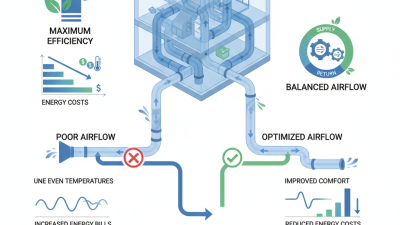
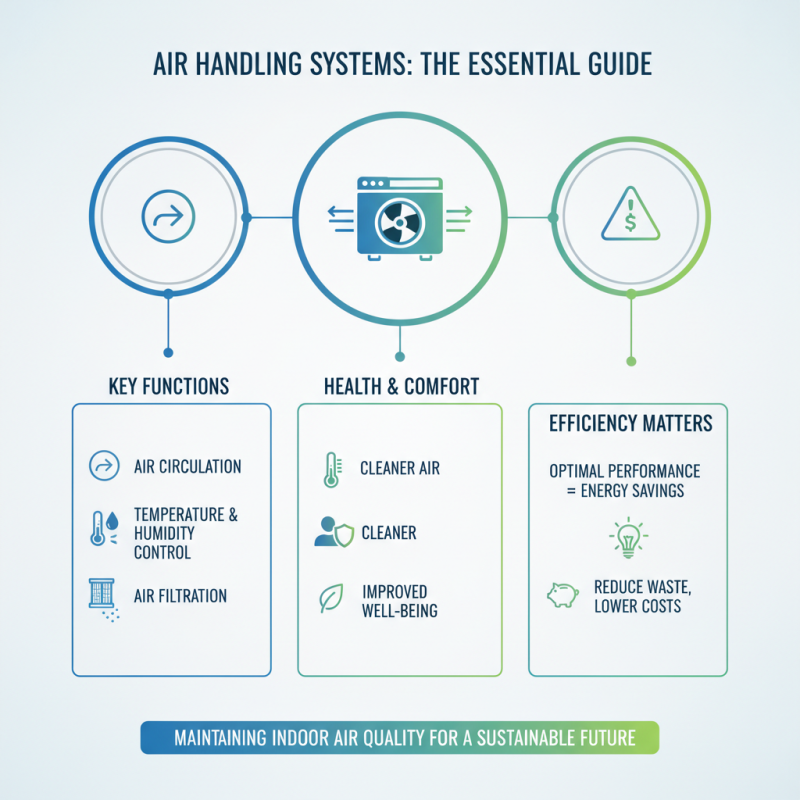
Air handling systems (AHS) play a crucial role in maintaining indoor air quality and comfort. They are responsible for the circulation of air, managing temperature and humidity. AHS also filter airborne pollutants, ensuring that we breathe cleaner air. However, understanding their efficiency is key. Many systems operate below optimal levels, leading to energy waste.

Regular maintenance is vital. Filters should be checked often and replaced as needed. A dirty filter can restrict airflow. This causes systems to work harder, consuming more energy. It’s a common oversight that leads to higher utility bills. Moreover, ducts need to be insulated properly to prevent heat loss. Inspecting them for leaks is essential but often neglected.

Another aspect is proper system sizing. An oversized AHS can lead to short cycling, causing uneven temperatures. Conversely, an undersized system may struggle to meet demands. This can result in discomfort and added wear. Lastly, investing in smart controls could enhance efficiency. They optimize performance based on real-time data. Yet, not all facilities embrace this technology. Reflecting on these points can help achieve better efficiency in AHS.
Key Factors Affecting Air Handling Systems Efficiency

Air handling systems play a crucial role in maintaining indoor air quality and comfort. Their efficiency directly impacts energy consumption and operational costs. Several key factors can affect the overall performance of these systems.

One major factor is the design of the ductwork. Poorly designed ducts can cause excessive air resistance. This, in turn, leads to increased energy consumption. Regular inspections can help reveal design flaws. Addressing these can lead to significant improvements.

Another important aspect is the maintenance of filters. Clogged or dirty filters reduce airflow and efficiency. Scheduled maintenance and timely replacements are essential. They help ensure that air handling systems operate efficiently.

It's vital to monitor system controls as well. Faulty sensors or improper settings can lead to inefficiencies. Routine checks can identify issues before they escalate. Investing time in these areas can yield substantial returns in terms of energy savings and system performance.

Regular Maintenance Practices for Enhanced Performance

Regular maintenance of air handling systems is crucial for maintaining efficiency. It can ensure optimal performance and reduce energy costs. Dirt and debris can accumulate over time. This buildup can block airflow and hinder system efficiency.

One tip is to check and replace filters regularly. A clogged filter forces the system to work harder. This increases energy consumption. Another practice is to inspect the ductwork for leaks. Small leaks can lead to significant energy loss. Sealing them improves airflow and saves money.

Don’t forget to schedule annual professional inspections. Experts can identify issues that may not be obvious. Sometimes, routine maintenance isn’t enough. A worn-out motor or damaged blower can cause problems. Being proactive allows for timely repairs and extends system life. Consider these practices as part of a larger strategy to enhance efficiency.

10 Essential Tips for Optimizing Air Handling Systems Efficiency

Tip Number Tip Description Frequency Expected Benefits
1 Regular filter replacement Every 1-3 months Improved air quality and efficiency
2 Inspect and clean coils Every 6 months Enhanced heat exchange and energy savings
3 Check and calibrate sensors Yearly Accurate readings for better control
4 Inspect ductwork for leaks Semi-annually Reduced energy loss
5 Ensure proper fan operation Quarterly Optimal airflow and reduced energy consumption
6 Optimize airflow balance Annually Increased comfort and efficiency
7 Monitor system performance Continuous Timely adjustments and maintenance
8 Educate staff on operations As needed Enhanced operational efficiency
9 Schedule timely repairs As identified Prolonged equipment lifespan
10 Utilize energy-efficient components During upgrades Lower energy costs

Technological Innovations for Optimizing Energy Use

In recent years, air handling systems have undergone significant technological advancements. These innovations focus on optimizing energy use. Smart sensors now monitor air quality in real time. They adjust airflow based on occupancy and environmental conditions. This leads to better energy management and less waste.

Energy recovery ventilators are another game-changer. They capture heat from exhausted air. Then, they pre-condition incoming fresh air. This process enhances overall efficiency. However, many systems miss out on full optimization. Regular maintenance remains crucial. Filters can become clogged, reducing system efficiency.

Another innovation worth noting is variable speed drives. They adjust the motor speed based on demand, providing substantial savings. Not all systems implement these drives, which can lead to overconsumption. The integration of building management systems can further enhance performance. Yet, some facilities struggle with proper implementation. Exploring these technologies is key to maximizing energy efficiency.

Best Practices for System Design and Layout for Efficiency

10 Essential Tips for Optimizing Air Handling Systems Efficiency?

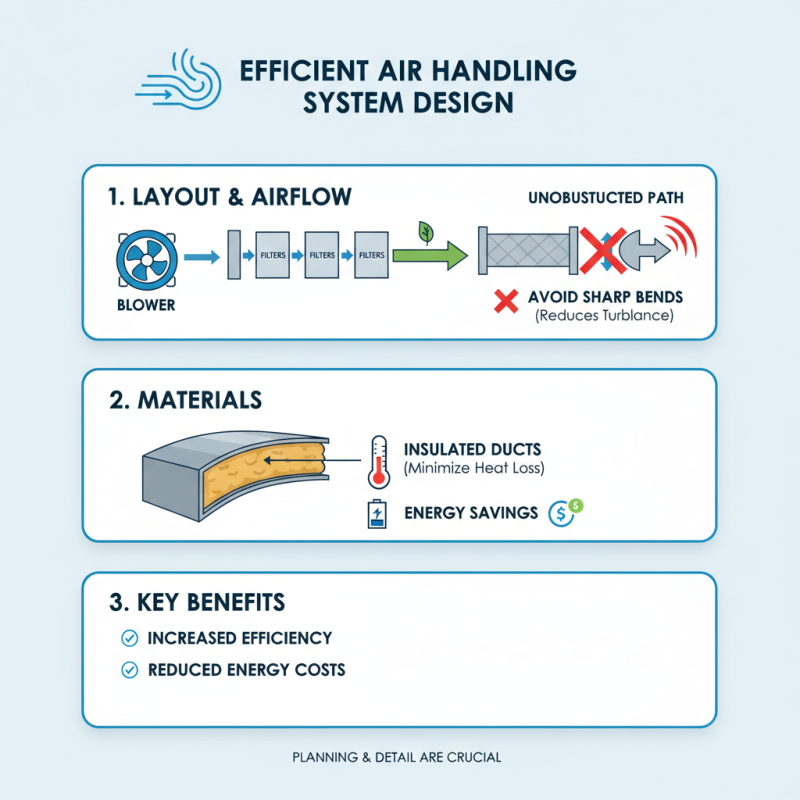
Designing an efficient air handling system requires careful planning and attention to detail. The layout matters significantly. Place components like blowers and filters to ensure unobstructed airflow. Use straight runs of duct instead of sharp bends. This reduces turbulence and energy loss. Consider the materials used, too. Insulated ducts can minimize heat exchange, saving energy.

Pay attention to the system’s control strategy. An automated system enhances performance but may be complex. There can be issues with user training or software glitches. Regular maintenance is key. It is vital to check the filters and blower regularly. Neglecting this can lead to inefficiencies. Sometimes, a simple cleaning can make a huge difference.

Evaluate the building’s layout as well. Design with the building’s orientation in mind. Natural ventilation strategies can support the system, but they require an understanding of local climate. Reflect on the potential need for redesign as occupancy changes. Flexibility in design can lead to long-term efficiency. Keeping communication open among team members will also optimize results.