Skip to content

10 Essential Tips for Optimizing Air Handling Systems

Air handling systems play a crucial role in maintaining indoor air quality and comfort. Proper optimization of these systems can lead to significant energy savings and improved performance. Many facilities often overlook the importance of fine-tuning their air handling units. This can result in higher operational costs and reduced efficiency.

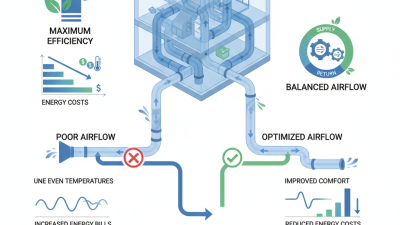
Optimizing air handling systems is not just about installation. It involves continuous assessment and adjustments. Often, operators face challenges due to outdated technology or insufficient maintenance practices. These issues can hinder airflow and increase energy consumption. Attention to detail in airflow balance and filter maintenance is essential for peak performance.

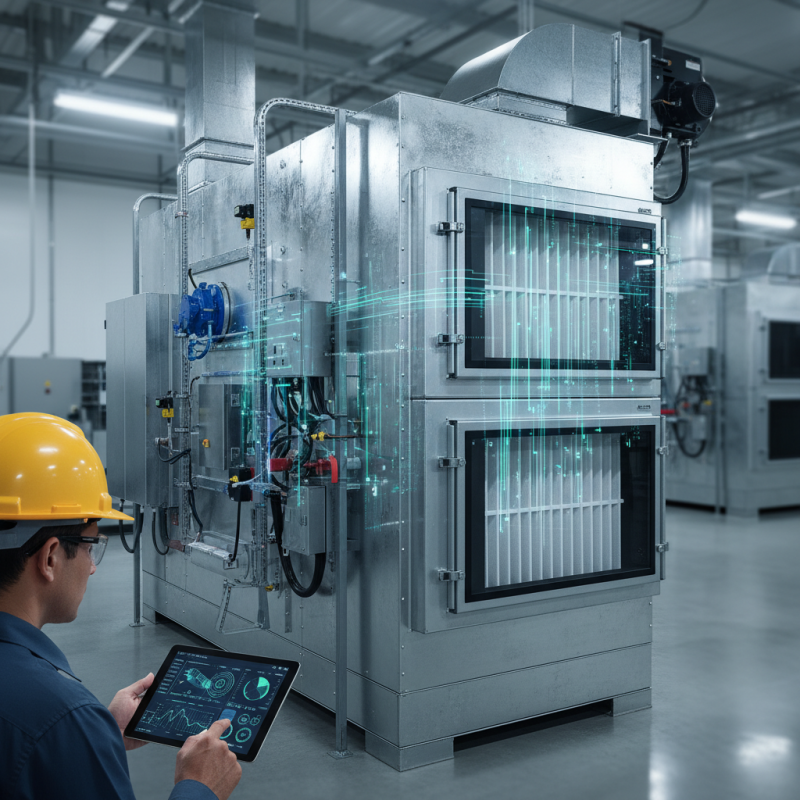
Additionally, many systems lack proper monitoring tools. Without these, identifying inefficiencies becomes difficult. Strategies need to be implemented to enhance sensor use and data analysis. Regularly reviewing system performance can uncover issues that require urgent attention. These adjustments can lead to noticeable improvements over time.
10 Essential Tips for Optimizing Air Handling Systems

Understanding Air Handling Systems and Their Importance

Air handling systems play a crucial role in maintaining indoor air quality and comfort. They regulate temperature, humidity, and air circulation, ensuring a healthy environment. Understanding these systems helps optimize their performance, ultimately saving energy and reducing costs.

To enhance your air handling systems, consider regular maintenance. A clean filter improves airflow and efficiency. Schedule inspections to identify leaks or blockages. Ignoring these issues can lead to increased energy consumption and indoor air problems. Adjusting the fan speed can also make a significant difference.

Pay attention to system controls. Programmable thermostats allow for better temperature management. This could prevent overheating or undercooling rooms, enhancing comfort. Additionally, look into variable air volume systems. They can adapt to different conditions, making your system more efficient. A well-optimized air handling system does not happen by chance; it requires continuous evaluation and effort.
Key Components of Air Handling Systems and Their Functions

10 Essential Tips for Optimizing Air Handling Systems

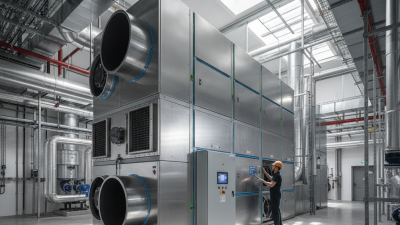
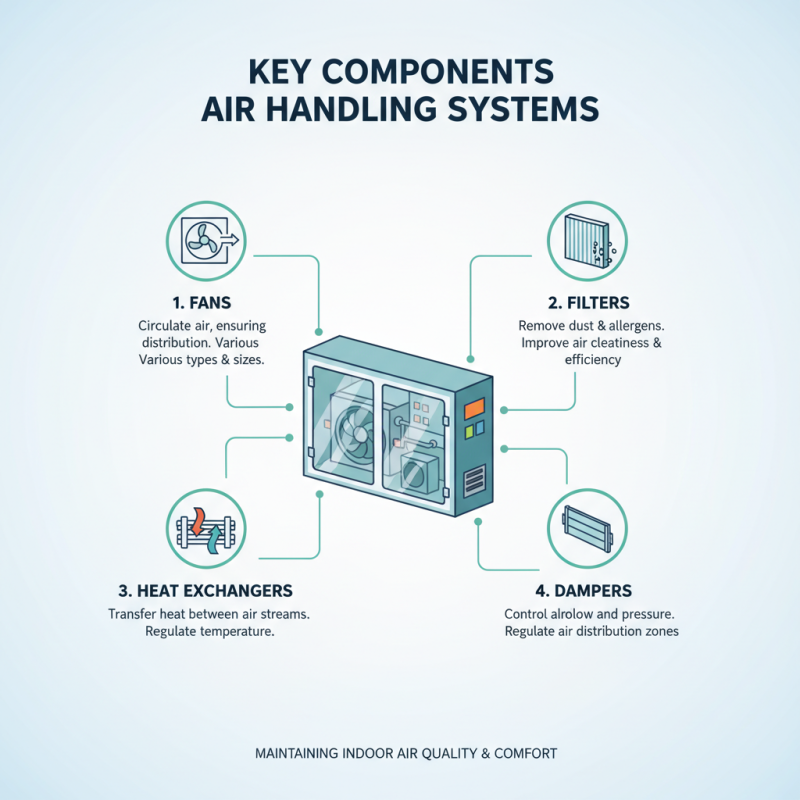
Air handling systems play a critical role in maintaining indoor air quality and comfort. The key components include fans, filters, heat exchangers, and dampers. Fans circulate air throughout the building, ensuring even distribution. They come in various sizes and types, each with specific needs. Filters remove dust and allergens, impacting air cleanliness. Without proper filtration, the system's efficiency declines.

Heat exchangers regulate temperature and humidity. They need regular checks to ensure optimal performance. Dampers control airflow, impacting energy consumption. If they malfunction, it could lead to uncomfortable indoor conditions. Each component must work harmoniously. Lack of maintenance can cause significant issues. For example, a dirty filter restricts airflow and increases energy use. This creates a cycle of inefficiency.

Attention to detail is crucial. Even small adjustments can yield vast improvements. Inspecting fans or replacing filters is often overlooked. These "minor" tasks have long-term consequences. Regular maintenance checks can help identify problems early. A proactive approach is far better than reactive fixes. Keeping these components in check enhances system performance and boosts energy efficiency.

Identifying Common Issues in Air Handling System Performance

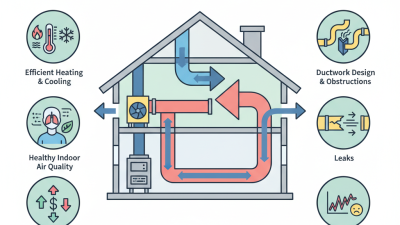
Air handling systems play a crucial role in maintaining indoor air quality. However, common issues can hinder their performance. One prevalent problem is improper airflow. This can stem from dirty filters or blocked ducts. When airflow is restricted, the system struggles to meet temperature and humidity demands. Regular checks of filters and ducts are essential to prevent these issues.

Another common issue is condensation. It often occurs in poorly insulated ducts. Moisture build-up can cause mold growth and damage system components. Insulation should be inspected regularly, and any signs of wear addressed promptly. Additionally, fans may become noisy or inefficient over time. This could indicate mechanical wear or misalignment. Listening for unusual sounds can help in identifying these problems early.

Despite our best efforts, some issues go unnoticed until they escalate. Training staff can help raise awareness about system performance. Simple observations can lead to significant improvements. Create a culture of attention to detail in maintenance practices. Encourage team members to report any anomalies. By fostering open communication, the potential for optimizing air handling systems increases significantly.

10 Essential Tips for Optimizing Air Handling Systems - Identifying Common Issues in Air Handling System Performance

Tip Number Tip Description Common Issues Addressed Benefits
1 Regularly Inspect Filters Poor air quality, reduced airflow Improved air quality, energy efficiency
2 Monitor Fan Performance Inadequate ventilation Consistent airflow, reduced wear
3 Control Humidity Levels Mold growth, discomfort Comfortable environment, mold prevention
4 Ensure Proper Insulation Energy loss, temperature instability Energy savings, stable temperatures
5 Optimize Duct Layout Inefficient airflow Enhanced airflow efficiency
6 Schedule Regular Maintenance System failures Increased system lifespan
7 Use Energy Recovery Ventilators High energy costs Reduced energy costs
8 Implement Zoning Controls Uneven temperature distribution Enhanced comfort levels
9 Check for Air Leaks Reduced efficiency Improved efficiency, lower costs
10 Utilize Advanced Monitoring Tools Delayed issue identification Proactive maintenance, improved performance

Best Practices for Routine Maintenance of Air Handling Units

10 Essential Tips for Optimizing Air Handling Systems

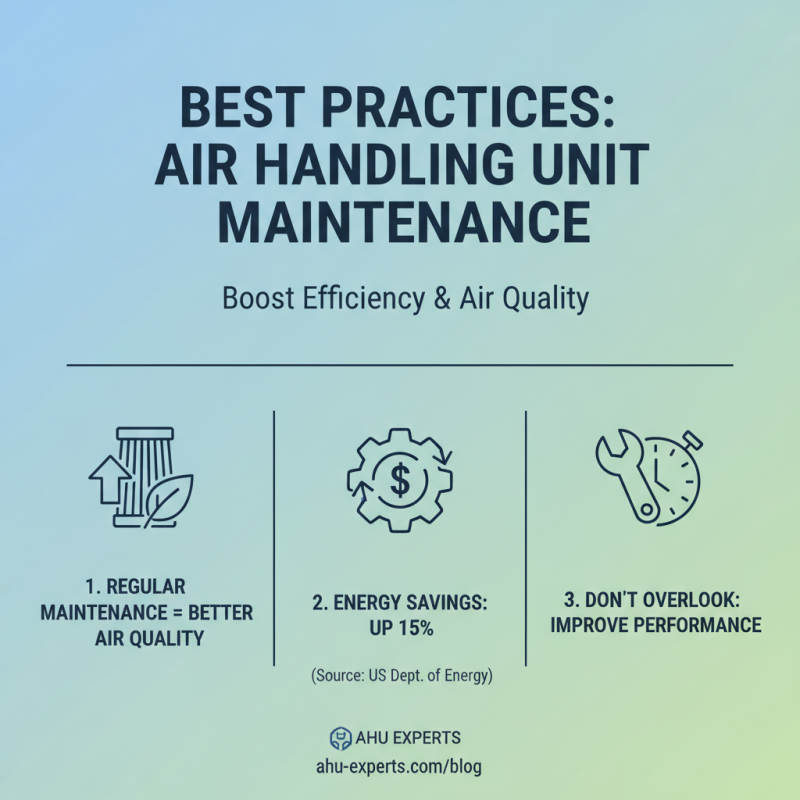
Maintaining air handling units (AHUs) is critical for efficient operation. Regular maintenance can improve air quality and energy efficiency. According to the U.S. Department of Energy, properly maintained AHUs can save up to 15% in energy costs. However, many systems are overlooked, leading to reduced performance.

Tip: Inspect filters monthly. Clogged filters can restrict airflow and increase energy consumption. Clean or replace them regularly. Ensure that all components, including fans and coils, are clean. Dirty parts can greatly impact efficiency. Some reports show that neglecting this can double energy use over time.

Routine checks of belts and motors can prevent larger issues. Frayed belts create strain on electric motors. This not only shortens their lifespan but can also lead to more energy use. Schedule visual inspections every few months. Look for wear and tear that may indicate deeper issues.

Tip: Keep an eye on humidity levels. Too much moisture can affect air quality and promote mold growth. The ideal indoor humidity level should be between 30% and 50%. When levels fluctuate, the system works harder to maintain comfort, increasing costs. Regular maintenance can help keep these levels stable and mitigate larger problems.

Innovative Technologies to Enhance Air Handling System Efficiency

Innovative technologies can significantly enhance the efficiency of air handling systems. Implementing smart sensors helps monitor air quality and adjust airflow. This adaptability ensures optimal performance in real-time. Data analytics can reveal usage patterns and identify energy waste. With this information, facilities can make informed decisions.

Moreover, incorporating energy recovery ventilators (ERVs) helps reclaim lost energy. This system can transfer heat and moisture between incoming and outgoing air. The result is a reduced energy demand, which is beneficial for both the environment and operating costs. However, many systems still lack these advanced components.

Regular maintenance is another critical area for improvement. Optimization efforts can stall if equipment is not maintained properly. Routine checks for leaks or blockages can make a huge difference. Investing time in filters and ductwork maintenance is essential but often overlooked. Each small step can add up to significant energy savings and enhanced system performance.