Maintaining your HVAC system is crucial for optimal performance and energy efficiency. As David Smith, a leading HVAC technician, states, “An overlooked HVAC system can lead to significant energy waste and costly repairs.” Ensuring your system runs smoothly can save money and improve comfort year-round.
Regular upkeep of your HVAC system involves simple yet effective practices. Neglecting even minor maintenance tasks can cause major issues. For example, dirty filters can hinder airflow, leading to inefficiency. A well-maintained HVAC system not only prolongs the lifespan of the unit but also enhances indoor air quality.
However, many homeowners ignore their HVAC systems until it's too late. This approach often results in expensive emergency repairs. It's essential to develop a maintenance routine. Start with small tasks like checking filters and cleaning vents. These simple steps can make a significant difference. Remember, proactive care for your HVAC system can prevent headaches later on.
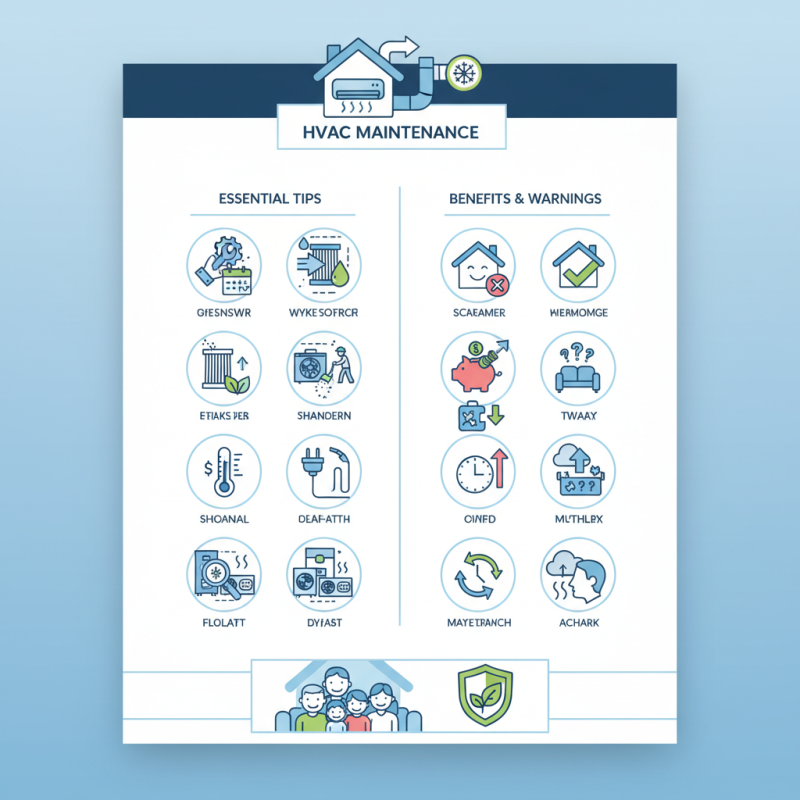
Maintaining your HVAC system is crucial for performance. Regular check-ups ensure it runs smoothly. A clean system uses less energy. Imagine waking up in the middle of the night to a broken air conditioner. It can be stressful. Preventive maintenance can help avoid such scenarios.
Ignoring maintenance can lead to costly repairs. Filters can get clogged quickly, reducing airflow. You might think checking them is minor. Yet, neglecting this simple task can lead to bigger issues. It’s important to pay attention to these details. Schedule a maintenance visit before the peak seasons.
Inadequate maintenance affects efficiency. You may notice uneven temperatures in your home. This means your system is working harder, wasting energy. Simple tasks, like cleaning ducts, can enhance performance. Don’t wait until breakdowns happen to take action. Small, consistent steps make a significant difference over time.
Regularly changing or cleaning air filters is vital for
HVAC system efficiency.
According to the U.S. Department of Energy, a clogged filter can reduce system efficiency by up to
15%. This inefficiency leads to higher energy bills and a shorter lifespan for the unit.
Many homeowners forget this simple task, risking their
comfort and budget.
Filters can easily become dirty, especially during seasons of heavy use. Dust, pollen, and pet dander accumulate quickly.
A clean filter improves airflow, resulting in better temperature regulation. However, some filters are neglected for months, causing the system to work harder.
This can lead to breakdowns and costly repairs.
It's recommended to check filters monthly. Depending on usage, they might need changing every
one to three months. Not doing so can create an unnecessary strain on the HVAC system.
This oversight can lead to increased wear on components and potential system failure.
Keeping this small yet crucial detail in mind helps ensure your HVAC operates smoothly.
Scheduling professional inspections and tune-ups is crucial for your HVAC system. Regular check-ups help identify issues early. An expert will examine every component for wear and tear. They can spot problems that you might miss, like strange noises or unusual smells.
During an inspection, a technician may clean crucial parts. This maintenance can improve efficiency and lower energy bills. If you neglect this step, small issues can escalate into costly repairs. Sometimes, homeowners overlook the importance of professional help. They might assume a simple fix is enough. However, this can lead to bigger problems later on.
Think about how often you put off these inspections. Life gets busy, but your HVAC system needs attention. Regular tune-ups ensure comfort in your home. They also extend the lifespan of your system, saving money in the long run. Missing these appointments can disrupt your routine. Consider investing time to stay on track with maintenance. Your system—and your wallet—will thank you.
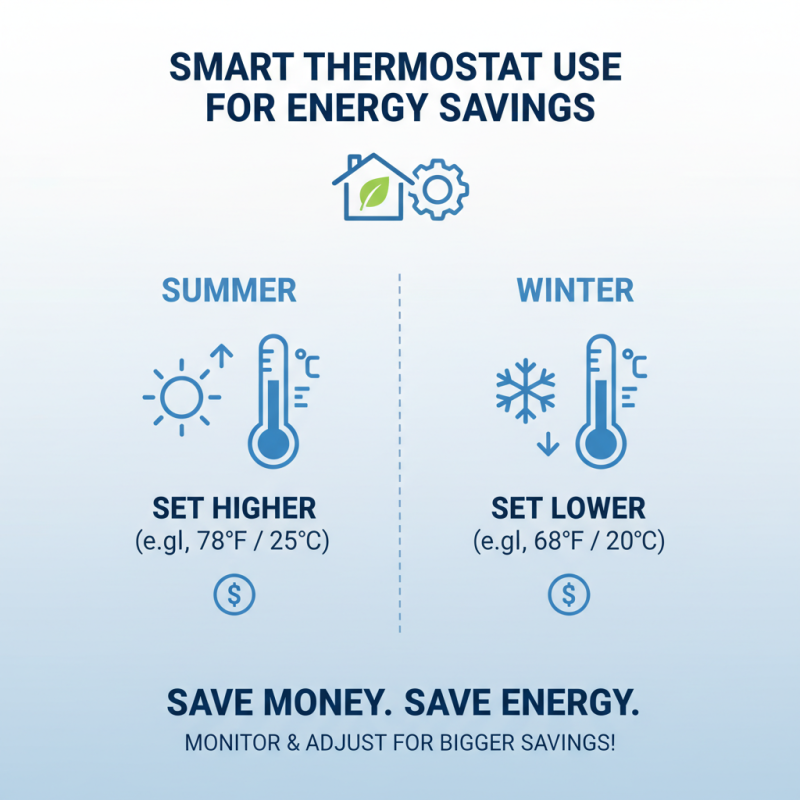
When it comes to energy efficiency, the thermostat is your best friend. Adjusting its settings can dramatically impact your energy bills. A simple rule is to set your thermostat higher in summer and lower in winter. This small change can lead to significant savings over time. Many people forget this step, leading to unnecessary costs.
Regularly monitor your settings. If you're away from home, consider raising or lowering the temperature based on the season. A difference of just a few degrees can save energy and reduce strain on your HVAC system. However, be cautious not to set extremes, like freezing or sweltering temperatures, as these can cause inefficient operation.
Remember, there’s no one-size-fits-all solution. Everyone's needs differ based on lifestyle and home layout. It’s worth experimenting with different settings. Consider taking notes on how your environment feels at various temperatures. This reflection can guide you toward an optimal balance between comfort and efficiency. Ultimately, minor adjustments can lead to lasting impacts on both comfort and energy consumption.
Proper insulation and sealing are crucial for your HVAC system's efficiency. Many homes lose a significant amount of energy due to air leaks. Insufficient insulation in attics and walls allows conditioned air to escape. This not only strains your HVAC system but also increases energy bills. It's important to routinely check for gaps around windows and doors.
Sealing these openings can make a noticeable difference. Caulking and weatherstripping are effective solutions. You might also find that some older homes lack insulation entirely. If your home is one of them, consider adding insulation to maximize efficiency. This improvement can lead to a substantial decrease in energy consumption.
Don't forget to inspect your ductwork. Leaky ducts can also waste a lot of energy. Sealing them may require professional help. It’s worth it to avoid energy loss in the long run. Keep in mind that no system is perfect. Regular checks are necessary to maintain efficiency and comfort.
This chart illustrates the percentage of energy loss associated with different types of insulation commonly used in HVAC systems. Proper insulation is essential in minimizing energy loss, thereby ensuring the efficiency of HVAC systems.