Top 10 Essential Parts of HVAC System You Need to Know
In the modern world, the significance of a well-functioning HVAC system cannot be overstated, as it plays a crucial role in ensuring comfortable indoor environments across residential, commercial, and industrial spaces. According to a report by the U.S. Department of Energy, HVAC systems account for nearly 50% of energy usage in homes, underscoring the importance of an efficient design and maintenance of the essential components. Understanding the various parts of HVAC system is vital for both homeowners and professionals aiming to optimize comfort and energy efficiency while mitigating costs.
The HVAC industry has seen significant advancements, with leading technologies enhancing the performance and reliability of these systems. A comprehensive analysis published by the American Society of Heating, Refrigerating and Air-Conditioning Engineers (ASHRAE) highlights that proper knowledge of the basic components—such as the furnace, air conditioner, ductwork, and thermostats—can lead to improved energy efficiency levels by as much as 30%. This reveals the necessity of familiarizing oneself with the parts of HVAC system for informed decision-making when it comes to installation, repair, and upgrades. As we delve into the top ten essential parts, this article aims to equip readers with the insights needed to enhance the functionality and longevity of their HVAC systems.
Understanding the Basics: What is an HVAC System?
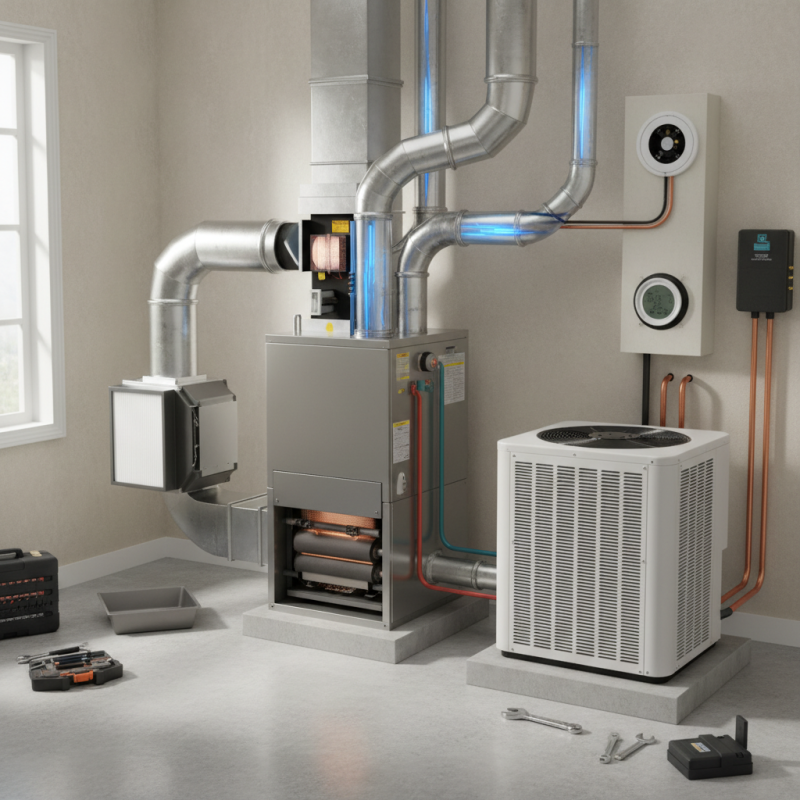
An HVAC system, which stands for Heating, Ventilation, and Air Conditioning, is essential for maintaining a comfortable and healthy indoor environment. It encompasses a range of functions which include regulating indoor temperature, ensuring adequate ventilation, and maintaining air quality. Each component plays a critical role in achieving the desired climate control within residential and commercial buildings.
Heating elements, such as furnaces and heat pumps, are responsible for providing warmth during colder months, while air conditioning units effectively cool indoor spaces during the hotter seasons. Ventilation components ensure fresh air circulation and remove pollutants, helping to create a healthier living space. Understanding the basics of HVAC systems is crucial for effective maintenance and energy efficiency, leading to significant cost savings and enhanced comfort throughout the year.
Key Components of HVAC: An Overview of Essential Parts
HVAC systems play a crucial role in ensuring indoor comfort. Understanding the key components of HVAC is essential for both homeowners and industry professionals. Notably, air handling units (AHUs) stand out as a central component, responsible for regulating and circulating air as part of the heating, ventilation, and air conditioning processes.
According to recent industry analysis, the air handling units market is projected to witness significant growth, driven by increasing demand for energy-efficient systems across various sectors.
In addition to AHUs, other essential parts of HVAC include chillers, boilers, ductwork, and thermostats, each contributing to the overall efficiency of climate control. The global HVAC market is expected to reach over
$200 billion by 2028, reflecting the growing need for advanced technologies and sustainable solutions.
Tips: Regular maintenance of HVAC systems can enhance efficiency and extend lifespan. Consider scheduling seasonal check-ups to ensure all components, including filters and ducts, are functioning optimally. Another important aspect is to invest in smart thermostats that can optimize energy consumption based on usage patterns, further increasing system efficiency.
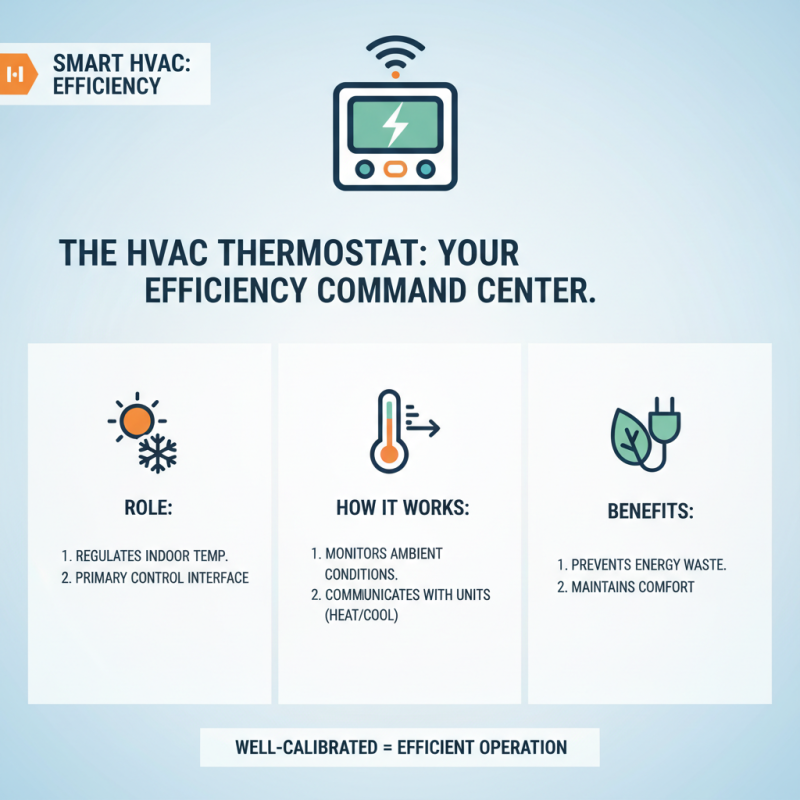
The Role of the Thermostat in HVAC Efficiency
The thermostat plays a pivotal role in the overall efficiency of HVAC systems, functioning as the primary control interface that regulates indoor temperature. By constantly monitoring the ambient conditions, it communicates with the heating and cooling units to maintain a comfortable environment. A well-calibrated thermostat ensures that the HVAC system only operates when necessary, thus preventing energy wastage.
Modern thermostats have evolved to include programmable and smart features, allowing users to set specific schedules or adjust settings remotely. These advancements enhance energy efficiency by automatically adjusting the temperature based on occupancy patterns and user preferences. Moreover, utilizing smart thermostats can lead to significant cost savings on energy bills, contributing to both financial and environmental benefits. Understanding the critical role of the thermostat is essential for optimizing HVAC performance and sustaining comfort within any space.
Importance of the Air Handler in HVAC Operations
The air handler is a crucial component of any HVAC system, responsible for maintaining indoor air quality and comfort. It plays a vital role in circulating conditioned air throughout the building. By pulling air from the interior, the air handler conditions it—whether that means heating, cooling, or dehumidifying—before redistributing it through ducts. This process not only ensures that every room reaches the desired temperature but also helps in filtering out dust, allergens, and other pollutants, contributing to a healthier indoor environment.
Moreover, the air handler is equipped with various integral parts such as blowers, filters, and dampers that control airflow. High-efficiency filters within the air handler capture a significant amount of airborne particles, enhancing air quality. Additionally, the blower fans ensure that air is pushed effectively through the ductwork, which is vital for the overall efficiency of the HVAC system. Without a properly functioning air handler, the entire heating and cooling system may struggle, leading to uneven temperatures and increased energy consumption, making it a key player in the overall performance of HVAC operations.
How Ductwork Influences HVAC Performance and Air Quality
Ductwork is a critical component of any HVAC system, significantly influencing both performance and air quality. Properly designed and maintained ducts ensure efficient airflow, allowing your heating and cooling systems to operate at peak efficiency. This not only helps in maintaining a comfortable indoor environment but also reduces energy consumption, ultimately lowering utility bills.
However, ductwork can accumulate dust, allergens, and debris over time, which can adversely affect air quality. Regular inspections and professional cleaning are essential for minimizing these contaminants. Research shows that
professional duct cleaning can reduce respiratory triggers by up to
80%, making it a vital service for those with allergies or respiratory issues.
Tips: To enhance duct performance, consider scheduling routine maintenance checks and ensuring that air filters are changed regularly. Additionally, sealing any leaks in ductwork can prevent energy loss and improve overall HVAC efficiency, leading to a healthier living space and reduced energy costs.