
Skip to content

Digital Best Caliper Repair Kit for Precision Maintenance?

In precision maintenance, the importance of a reliable Caliper Repair Kit cannot be overstated. Accurate measurements are vital in various fields, from engineering to automotive repairs. A well-functioning caliper is essential for ensuring that specifications are met. However, wear and tear can affect its performance.

Using a quality repair kit can extend the lifespan of your caliper. It provides the necessary components to address common issues. A well-prepared technician can execute repairs efficiently. Yet, not every repair kit is of the same standard. Some may lack essential parts or clear instructions. This uncertainty can lead to frustration, making it important to choose wisely.

Investing in the right Caliper Repair Kit enhances reliability and precision. Each kit should ideally offer a comprehensive range of parts and tools. Still, there are nuances to consider. A successful repair often relies on understanding both the tool and the application. Continuous learning and experience play crucial roles in mastering this skill.
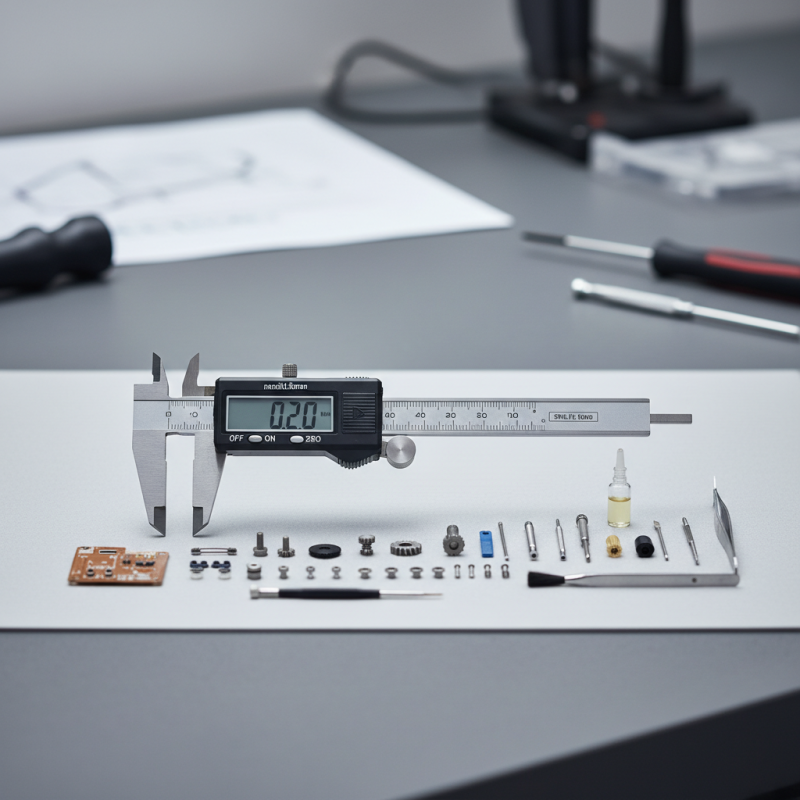
Digital Best Caliper Repair Kit for Precision Maintenance?

Digital Caliper Overview and Its Importance in Precision Work

Digital calipers have become essential tools in precision work across various industries. Their accuracy ranges from 0.01mm to 0.001mm, which makes them valuable for tasks in manufacturing and engineering. According to a report by the National Institute of Standards and Technology, precise measurements are crucial in reducing waste and increasing efficiency, illustrating the importance of a reliable caliper.

Improper maintenance can lead to inaccuracies. Regular calibration ensures that measurements remain within acceptable tolerances. Digital calipers must be cleaned and stored properly to prevent damage. A study from the Precision Measurement Laboratory indicates that neglecting maintenance can cause measurement errors up to 0.05mm over time. This highlights the necessity of investing in a caliper repair kit.

Tips: Always check for battery life in digital calipers. Replace batteries regularly to avoid unexpected failures. Ensure that the caliper is free from debris before use, as even small particles can affect readings. Remember, a well-maintained tool is key to high-quality work.

Digital Caliper Accuracy Comparison

This chart illustrates the measurement accuracy of various digital calipers, which is crucial in precision maintenance tasks. Each caliper's performance is measured in terms of percentage accuracy, highlighting the importance of selecting the right tool for precision work.

Common Issues Encountered with Digital Calipers in Maintenance

Digital calipers are essential tools in precision maintenance. However, they often face common issues that can affect their accuracy. One prevalent problem is the alignment of the measuring jaws. If they are not perfectly aligned, readings can be off by significant margins. A report by the Measurement Science and Technology journal noted that misalignment can lead to errors exceeding 0.02 mm, which is unacceptable in high-precision environments.

Another frequent issue is battery failure. Digital calipers rely on batteries to function. When the battery runs low, the display may provide inconsistent readings or even freeze. According to an industry statistics report, nearly 20% of digital caliper inaccuracies stem from power issues. Regular checks and timely battery replacements can mitigate this problem.

Users should also be aware of the effects of dust and moisture. Foreign particles and humidity can compromise electronic components. Studies show that improper storage can lead to corrosion in about 15% of cases observed in workshops. Regular cleaning and proper storage can prevent this deterioration. Reflecting on these common pitfalls can enhance the longevity and reliability of digital calipers.

Digital Best Caliper Repair Kit for Precision Maintenance? - Common Issues Encountered with Digital Calipers in Maintenance

Issue Description Common Causes Repair Solution Prevention Tips
Inaccurate Measurement The caliper shows measurements that differ from known standards. Dirty measuring jaws, worn mechanism, or internal damage. Clean the jaws and calibrate the tool. Regular calibration checks and proper cleaning after use.
Battery Issues The display shows low battery or doesn't turn on. Depleted battery or poor battery contacts. Replace the battery and clean contacts. Use high-quality batteries and replace them regularly.
Display Malfunction The LCD display shows erratic numbers or is unreadable. Software issues or damaged display. Reset the caliper or replace the display unit. Avoid exposure to moisture and physical shock.
Sticking Mechanism The sliding part does not move smoothly. Lack of lubrication or debris in the mechanism. Clean and lubricate the sliding parts. Use in a clean environment and apply occasional grease.

Components of an Effective Digital Caliper Repair Kit

A digital caliper repair kit can enhance your precision maintenance efforts. This kit typically includes several essential components that ensure the longevity and accuracy of your tools. Screws, batteries, and replacement display units are critical. Having these items on hand saves time and prevents frustration during repairs.

Calibration tools are another vital aspect of an effective repair kit. They allow for precise adjustments, ensuring your measurements remain reliable. This aspect might be overlooked, but calibration tools help maintain quality and avoid errors. User manuals are also helpful. They guide you through specific repair processes. However, not all manuals are clear, which can lead to confusion.

Consider adding a cleaning cloth or solution to your kit. Dust and grime can interfere with the caliper's performance. Regular cleaning can prevent this issue. Reflecting on your maintenance routine may reveal areas for improvement. Even a minor oversight can lead to significant discrepancies in measurements. Aim for a comprehensive approach in your repair kit. It could make all the difference in your accuracy and efficiency.

Step-by-Step Guide to Repairing Digital Calipers

Digital calipers are essential for precise measurements in various fields. Keeping them in good condition is crucial. Repairing them is often simpler than you think. Follow this step-by-step guide to restore your digital calipers to optimal functionality.

Start by gathering your tools: a small screwdriver, a cleaning cloth, and replacement batteries. Open the caliper carefully, noting how it fits together. Dust and debris often compromise readings. Wipe the internal components gently with the cloth. This step can enhance accuracy significantly.

If your calipers still fail to work, check the batteries. A dead battery is a common oversight in maintenance. Reassemble the caliper, ensuring all components are secure. Testing is vital. Measure known standards to see if your caliper reads accurately. If inconsistencies persist, reflect on the assembly.

Small mistakes happen easily. Review each step; this can save time and frustration. Maintaining digital calipers requires attention and patience, but the reward is reliable precision in your work.

Best Practices for Maintaining Digital Calipers for Longevity

Maintaining digital calipers is crucial for their longevity and precision. Regular cleaning is one of the best practices. A recent industry study shows that improper care can reduce the lifespan of measuring tools by up to 30%. Dust and debris can interfere with measurement accuracy. Use a soft cloth with a mild solvent for cleaning, ensuring no liquid seeps into electronic components.

Calibration should not be overlooked. Regularly check calibration using gauge blocks to ensure that your caliper maintains precise measurements. Regular checks, ideally every month, can catch calibration drift early. This proactive approach can save time and resources. According to the Precision Measurement Journal, nearly 50% of measurement errors come from uncalibrated tools.

Tips for storage: Store your calipers in a protective case when not in use. Humidity and temperature fluctuations can affect their performance. Avoid leaving them in direct sunlight or near heat sources. It's a small habit that makes a big difference. Check for any noticeable wear on the jaw and the measuring edge frequently. Even slight damages can lead to significant inaccuracies. Regular maintenance is key to the precision of digital calipers.