Skip to content

Why You Should Consider New HVAC Systems for Your Home?

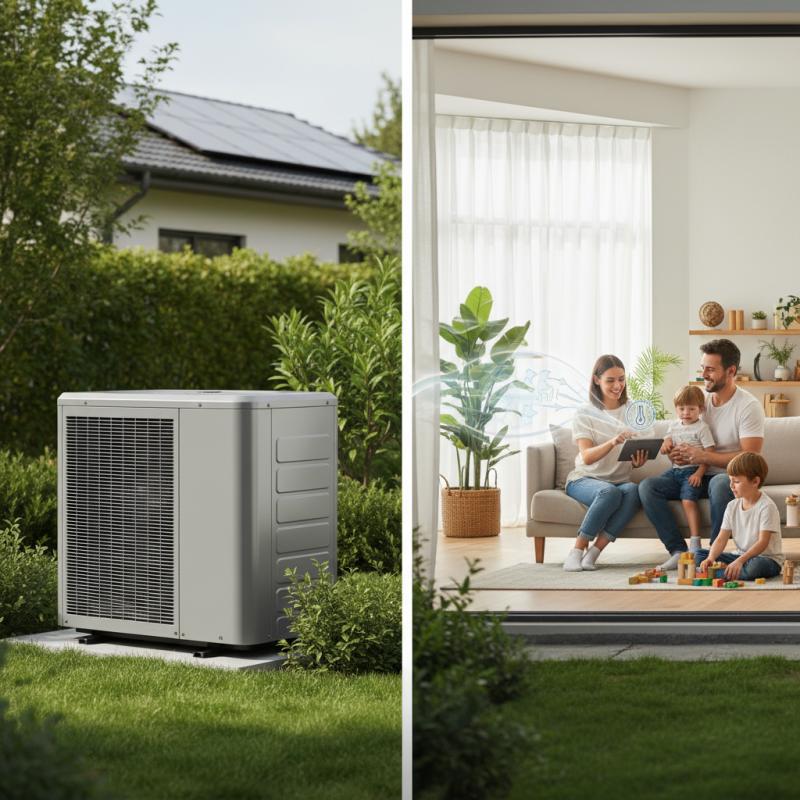
Investing in new HVAC systems can significantly enhance your home's comfort. According to industry expert Jane Smith, "New HVAC systems are not just about temperature; they improve air quality." Many homeowners overlook the importance of efficient heating and cooling. An outdated system can lead to higher energy bills and uneven temperatures.

New HVAC systems offer advanced features that can optimize energy use. They often include programmable thermostats and better filtration. This results in cleaner air and a healthier indoor environment. However, the initial cost can be daunting for some. It’s crucial to evaluate the long-term savings against the upfront investment.

Transitioning to new HVAC systems might seem overwhelming. Homeowners should carefully consider their options. The right system can not only enhance comfort but also contribute to environmental sustainability. Reflecting on these factors will lead to better decisions for your home and family.
Why You Should Consider New HVAC Systems for Your Home?

Benefits of Upgrading to a New HVAC System
Why You Should Consider New HVAC Systems for Your Home?

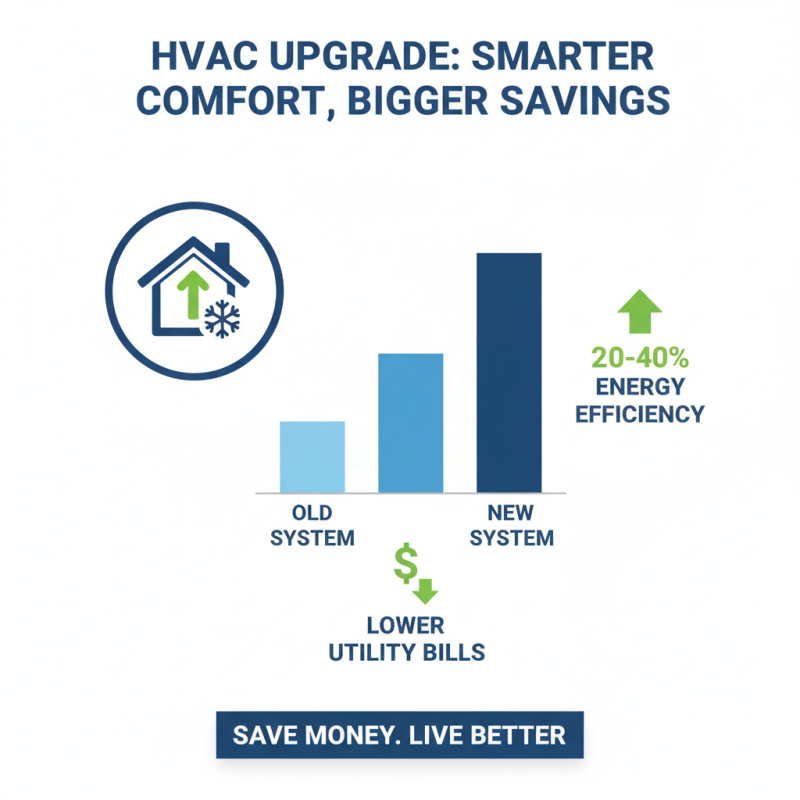
Upgrading to a new HVAC system can significantly enhance your home’s comfort. According to the U.S. Department of Energy, new systems can improve energy efficiency by 20% to 40%. This means lower utility bills. Who doesn't want to save money each month?

Modern HVAC systems offer advanced features like smart thermostats. These devices allow for better temperature control, ensuring consistent comfort. A report from the American Council for an Energy-Efficient Economy highlights that improving insulation along with a new HVAC unit can lead to savings of over 30% on heating costs. Yet, many homeowners overlook these simple upgrades.

However, not all systems are created equal. Selecting the right unit can be challenging. Improper sizing can lead to inefficiencies. A system that's too large will cycle frequently, causing wear and tear. On the other hand, a system that’s too small won’t adequately cool your home. We must think critically about what fits our unique needs. Upgrading is not just a purchase; it’s an investment in long-term comfort and savings.
Factors to Consider When Choosing an HVAC System

When considering a new HVAC system for your home, several key factors come into play. Efficiency is paramount. According to the U.S. Department of Energy, high-efficiency systems can save homeowners up to 30% on energy bills. Look for systems with a high SEER rating. This ensures better cooling performance and lower operational costs.

Size matters as well. An HVAC system that is too small or too large can lead to inefficiencies. A proper load calculation by a professional can help assess your home’s specific needs. Evaluate your square footage, insulation quality, and climate zone. Oversized systems cool too quickly and do not dehumidify properly. Under-sized systems struggle and may lead to higher energy use.

**Tip:** Regular maintenance is essential. Clean the filters monthly and schedule professional check-ups annually. This extends your system's lifespan.

Consider noise levels. Some units are louder than others, sometimes disrupting your home’s tranquility. Research decibel levels before making a decision. It’s not just about performance; comfort also includes a peaceful environment.

**Tip:** Don’t overlook warranty options. A well-structured warranty can save you money in the long run. Be sure to read the fine print to understand what is covered.

Why You Should Consider New HVAC Systems for Your Home? - Factors to Consider When Choosing an HVAC System

Factor Importance Impact on Cost Recommended Type
Energy Efficiency High Lower long-term bills High-Efficiency Systems
Size of System Critical Correct sizing prevents increased costs Variable Capacity Systems
Installation Quality Very high Can significantly affect performance Professional Installation
Maintenance Requirements Moderate Regular maintenance required Low-Maintenance Systems
Rebates and Incentives Useful Can help offset cost Systems Eligible for Rebates

Energy Efficiency and Cost Savings of Modern HVAC Systems

Modern HVAC systems offer remarkable energy efficiency. They are designed to consume less energy than older units. This translates into lower utility bills each month. Homeowners often find themselves saving a significant amount over time. Many modern systems utilize advanced technology to regulate temperature effectively.

It’s essential to note the initial investment. New systems can be expensive upfront. However, the long-term savings typically outweigh these costs. Consider this: energy-efficient systems can reduce your bills by up to 30%. Some homeowners overlook the importance of proper maintenance. Neglecting this can lead to decreased efficiency and higher costs.

Additionally, newer HVAC units now feature smart technology. This allows for remote monitoring and control from your smartphone. This can lead to smarter energy use. However, if people become too reliant on technology, they might forget basic care for their systems. Balancing innovation with traditional practices is crucial. A mix of both can ensure your home stays comfortable and efficient.

Energy Efficiency of Modern HVAC Systems

Modern HVAC systems consume significantly less energy compared to older models. This chart illustrates the annual energy consumption in kilowatt-hours (kWh), highlighting the potential cost savings and energy efficiency benefits of upgrading to a modern HVAC system.

Impact of New HVAC Systems on Indoor Air Quality

Why You Should Consider New HVAC Systems for Your Home?

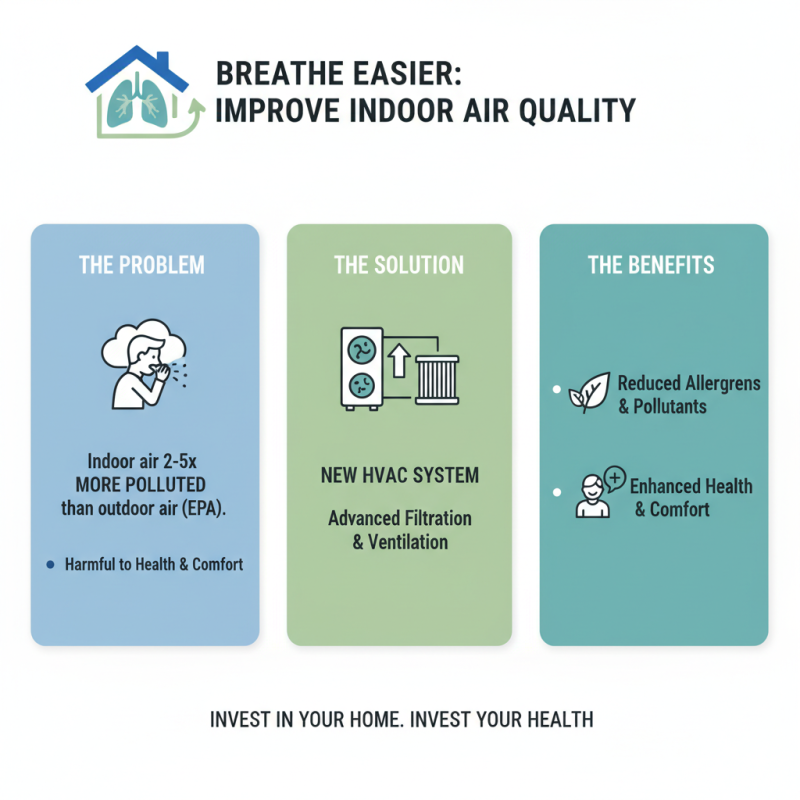
Indoor air quality significantly impacts our health and comfort. Many homeowners overlook this crucial aspect when considering HVAC systems. According to the Environmental Protection Agency (EPA), indoor air can be 2 to 5 times more polluted than outdoor air. A new HVAC system can greatly improve this situation.

Older systems often recirculate dust, allergens, and pollutants. Upgrading can reduce these harmful substances. A report from the American Society of Heating, Refrigerating and Air-Conditioning Engineers (ASHRAE) states that modern systems equipped with advanced filters can trap particles as small as 0.3 microns. This is especially beneficial for asthma sufferers and those with allergies.

However, simply installing a new system is not a complete solution. Regular maintenance is essential. Filters need changing, and ducts should be cleaned. Neglecting these tasks can negate the benefits of a new HVAC system. Improving indoor air quality requires ongoing attention and awareness. It's a journey, not a one-time fix.

Technology Advancements in Current HVAC Systems

The HVAC industry has seen significant advancements in technology. New systems are now more energy-efficient and environmentally friendly. According to the U.S. Department of Energy, modern systems can be 30% more efficient than older models. This means lower utility bills and a reduced carbon footprint.

Smart thermostats are one innovation worth highlighting. These devices learn your habits and adjust temperatures automatically. A study by the Energy Efficiency Institute shows that smart thermostats can save households up to 10-15% on heating and cooling costs. This technology makes home temperature control easier and more tailored to individual needs.

Tip: When considering a new HVAC system, research energy-efficient models. Look for those with a high Seasonal Energy Efficiency Ratio (SEER) rating. Such systems can significantly reduce energy use, saving you money in the long run.

Another breakthrough is variable-speed compressors. Unlike traditional systems, which operate at a single speed, these compressors can adjust their output. This leads to more consistent heating and cooling. The EPA reported that variable-speed systems can improve comfort levels in your home.

Tip: Schedule regular maintenance for your HVAC system. This keeps it running efficiently and extends its lifespan. A well-maintained system can save you from costly repairs later.