
Skip to content

Why Choose Clear Bottle Glass for Your Packaging Needs?

In the competitive world of packaging, the choice of materials is vital. Experts recommend the use of "Clear Bottle Glass" for numerous reasons. Dr. Emily Chen, a leading authority in sustainable packaging, states, "Clear Bottle Glass offers unmatched clarity and recyclability that consumers trust."

Clear Bottle Glass not only enhances product visibility but also ensures safety and preservation. With its non-porous surface, glass prevents contamination, maintaining product integrity. Many brands are opting for glass over plastic due to growing environmental concerns.

However, the initial cost of production can be higher for Clear Bottle Glass. This requires careful financial planning for brands transitioning from plastic. Additionally, while glass is recyclable, the collection and recycling infrastructure is not uniformly efficient globally. Brands must consider these factors when making packaging decisions.
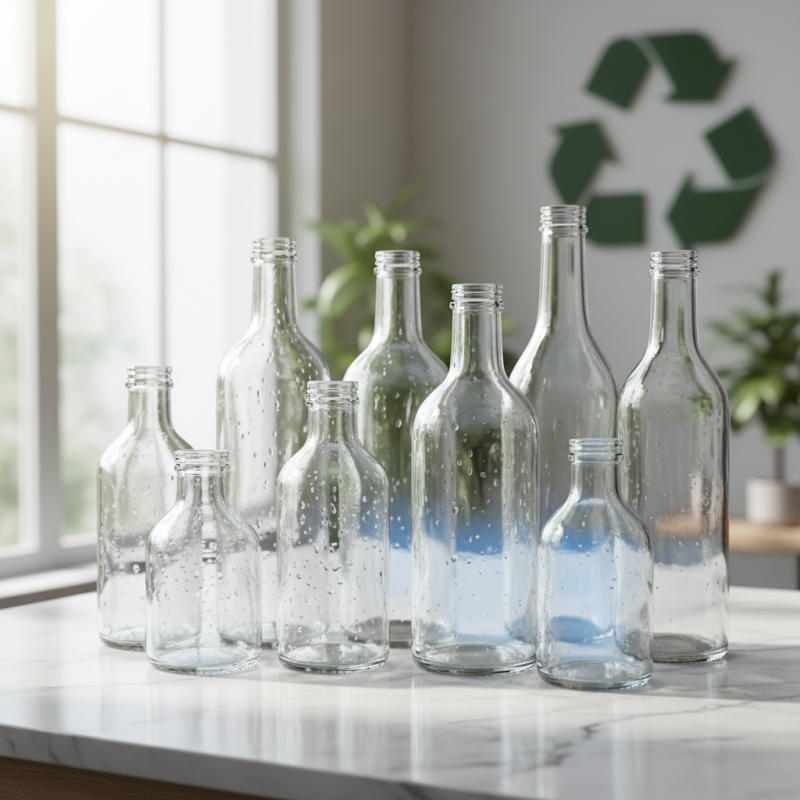
Why Choose Clear Bottle Glass for Your Packaging Needs?

Benefits of Clear Bottle Glass in Packaging: A Sustainable Choice

Clear bottle glass has become a popular choice in packaging due to its sustainability. A report from the Glass Packaging Institute states that glass is 100% recyclable. This means it can be reused endlessly without loss of quality. In contrast, plastic recycling often results in lower-quality materials. The environmental impact of using glass is significant. About 33% of the glass produced is made from recycled materials, reducing energy consumption and resource demand.

The clarity of glass packaging also enhances product visibility. Consumers can see the contents, which can drive purchasing decisions. A survey conducted by Nielsen found that 66% of shoppers prefer products in glass packaging. Clear bottle glass is not only aesthetically pleasing but also provides superior protection against contaminants. It can preserve flavor and freshness, making it ideal for beverages and food products.

Despite its many advantages, some challenges exist. Glass is heavier than plastic, which can increase shipping costs. Additionally, glass can be more fragile, leading to potential breakage during transportation. Manufacturers need to address these issues to fully capitalize on the benefits of glass packaging. Balancing sustainability and practicality in packaging decisions remains an ongoing challenge for the industry.

Industry Insights: Market Trends in Glass Packaging for Consumer Products

The glass packaging market is experiencing notable shifts. As consumers become more eco-conscious, the demand for sustainable materials rises. Clear bottle glass stands out due to its recyclability and its ability to preserve product integrity. This trend reflects a broader movement toward sustainable packaging solutions.

Recent industry research shows a growing preference for glass over plastic. Many consumers appreciate the aesthetic appeal of clear glass. It allows visibility and showcases the product inside. This creates a perception of quality and trust. However, some challenges remain. The energy costs associated with glass production can be high. Additionally, the fragility of glass raises concerns for shipping and handling.

Innovation is pivotal for the glass packaging industry. New production techniques aim to enhance durability while reducing environmental impact. Despite these advancements, some companies struggle to balance costs and sustainability. It’s essential for businesses to remain adaptable and responsive to changing consumer preferences. The glass packaging landscape is evolving, and staying informed is crucial.

Comparative Analysis: Clear Glass vs. Plastic Packaging Solutions

When considering packaging solutions, the choice between clear glass and plastic is crucial. Clear glass offers an aesthetic appeal that plastic often lacks. Its transparency allows consumers to see the product, enhancing trust and perceived quality. Additionally, glass is non-porous, which keeps products fresh and free from contamination. This makes it a preferred option for food and beverage packaging.

On the other hand, plastic packaging is lightweight and less fragile than glass. It can be more cost-effective for mass production. However, plastics pose significant environmental concerns. They can take hundreds of years to decompose. Consumers are becoming more aware of these issues, shifting their preference towards sustainable options. This is where clear glass shines, as it is fully recyclable and can be repurposed without losing quality.

Despite these advantages, clear glass also has downsides. It is heavier and more prone to breakage during shipping and handling. Brands need to balance cost, safety, and environmental responsibility in their choices. While there may be a higher upfront cost for glass, its benefits in terms of sustainability and product quality may prove more valuable in the long run. Reflecting on these factors is essential for making informed packaging decisions.

Recyclability of Clear Bottle Glass: Impact on Environmental Sustainability

Clear bottle glass packaging is gaining attention for its strong recyclability. It significantly impacts environmental sustainability. Recycling glass reduces landfill waste. It also conserves energy and natural resources. Unlike plastic, glass can be recycled endlessly without losing quality. This feature makes glass a preferable option for eco-conscious consumers.

The process of recycling clear glass is relatively simple. Facilities collect used bottles and jars, clean them, and melt them down. New products can be created from this recycled glass. However, not all glass ends up being recycled. Contamination and improper disposal can hinder this process. Education on proper recycling practices is essential to maximize efficiency.

Choosing clear bottle glass not only supports a circular economy but also promotes a greener future. While it comes with high energy costs during production, the long-term benefits outweigh this initial concern. Consumers must reflect on their choices and prioritize recyclable materials. Understanding the impact of glass packaging can lead to more sustainable habits.

Consumer Preferences: The Aesthetic Appeal of Clear Glass Packaging

Clear bottle glass has gained significant popularity in packaging due to its aesthetic appeal. Consumers are increasingly drawn to transparent packaging for its ability to showcase the product inside. According to a recent study by the Packaging Association, 70% of consumers associate clear packaging with high quality and premium products. This perception enhances the overall appeal, as customers feel more confident in purchasing items they can see.

The clarity of glass packaging also plays a role in brand differentiation. A report from the Glass Packaging Institute notes that 54% of consumers prefer glass over plastic for beverages and food items. This preference stems from a desire for natural materials that are free from chemical leaching. Additionally, clear glass reflects light beautifully, creating an inviting presentation for products, which can greatly influence purchasing decisions.

However, while clear glass offers numerous benefits, brands must address its fragility. The risk of breakage remains a concern in the supply chain. Some manufacturers may need to reassess their packaging processes to mitigate damage during transit. This aspect of glass packaging needs further exploration to enhance reliability while maintaining its aesthetic advantages.