
Skip to content

How to Choose the Right Pneumatic Gate for Your Needs?

When selecting the right Pneumatic Gate for your operations, understanding the specifications and applications is crucial. A recent industry report by the Valve Manufacturers Association indicated that the demand for automated control systems, including Pneumatic Gates, has grown significantly, with a projected annual increase of 5% over the next five years. Expert John Smith, a leading authority in fluid dynamics, emphasizes, "Choosing the correct Pneumatic Gate can optimize efficiency and reduce operational costs."

Pneumatic Gates serve various industries, ensuring safe and efficient material handling. However, many companies struggle to identify which type meets their specific needs. A misstep in selection can lead to performance issues and increased expenditures. Features like size, pressure ratings, and compatibility with existing systems are essential factors to consider.

It's important to recognize that not all Pneumatic Gates are created equal. What works for one application may not fit another. Users often underestimate their unique needs, causing potential setbacks. In a landscape where precision is key, making informed choices based on expert insights and industry data is vital for success.
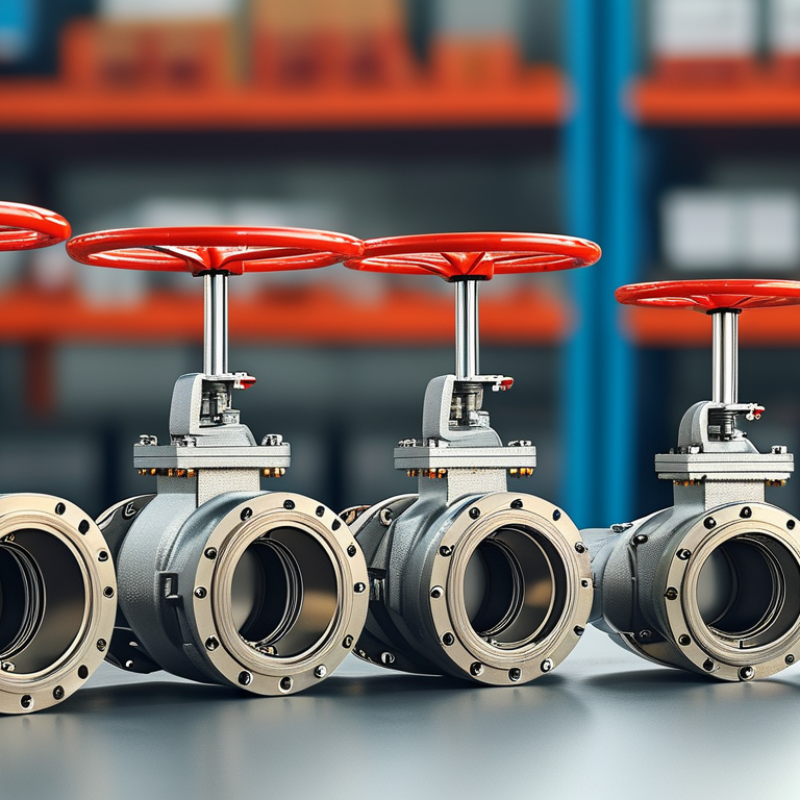
How to Choose the Right Pneumatic Gate for Your Needs?

Understanding Pneumatic Gates and Their Applications

Pneumatic gates play a crucial role in various industries. These gates utilize compressed air to operate fluidly. Their efficiency and reliability make them ideal for controlling the flow of materials such as grain, chemicals, and wastewater. A solid understanding of their applications can help businesses select the right option.

In mining, pneumatic gates are essential for moving bulk materials. They provide quick access and secure closure, reducing the risk of spillage. In wastewater treatment, these gates aid in managing flows while maintaining safety. However, choosing the wrong type can lead to inefficiencies, requiring careful consideration of specific needs.

Application contexts matter significantly. Industrial environments may require heavy-duty designs. Conversely, lighter models might suit smaller operations. Reflecting on these details ensures the selected gate meets operational demands. Invalid assumptions about capacity or function can result in costly errors. Regular assessments of your needs can help avoid these pitfalls.

Assessing Your Needs: Key Considerations for Choosing a Pneumatic Gate

When choosing a pneumatic gate, it's essential to assess your specific needs. Start by identifying the application environment. Consider the type of materials you will be handling. Different gates have varying capabilities for pressure and flow rates. Understanding your operational requirements is crucial. You may also need to factor in the frequency of use, as this can affect the gate's durability.

Another aspect to consider is the level of automation you desire. Fully automated gates provide convenience. However, semi-automated options might suit simpler tasks better. Ensure that the gate's design integrates well with your existing systems. Compatibility can save time during installation and increase efficiency in operations.

It's important to engage with industry professionals for insights. Their experience can guide you towards the most suitable options. Keep in mind that manufacturers may have specific strengths. Conducting thorough research can help you identify reliable sources. Explore different designs and functionalities. Your choice should ultimately align with your unique needs and budget considerations. Balancing these factors can lead to a more informed decision.

Key Factors to Consider When Choosing a Pneumatic Gate

Types of Pneumatic Gates Available in the Market

When selecting a pneumatic gate, it’s essential to understand the various types available. A common type is the butterfly gate, known for its simple design. It works well in controlling airflow and can handle different pressures. Another option is the pinch valve, ideal for handling slurries or particulated materials. This valve uses a mechanism to pinch a flexible tube, providing excellent sealing.

Consider your specific application. Will the gate handle liquids, gases, or solids? The material of the gate is also crucial. Some materials resist corrosion better than others. For high-temperature applications, metal gates are often more reliable. Look for designs that require minimal maintenance, as this can save time and money.

Tips: Always assess the size and capacity you need. Measure your system carefully before purchasing. Deep research on installation requirements is beneficial. Familiarize yourself with the energy needs of your chosen gate. Each type comes with distinct strengths and weaknesses, so understanding these will help in making an informed decision. Choose wisely and pay attention to smaller details; they can make a big difference in efficiency.

Evaluating Performance Features for Optimal Efficiency

Choosing a pneumatic gate can be complex. Evaluating performance features is key to optimal efficiency. Start by assessing the application. Understand the material being handled. Different gates serve different purposes.

Consider the gate's operational speed. A faster opening can improve efficiency. However, excessive speed may lead to wear and tear. Think about the environment. Will the gate face harsh conditions? A robust design can reduce maintenance needs.

Tips: Focus on energy consumption metrics. A gate that uses less energy will save costs long-term. Don't overlook the control system. Intuitive controls can enhance usability and reduce errors. Reflect on the need for regular inspections. Neglecting this could lead to unexpected downtimes.

How to Choose the Right Pneumatic Gate for Your Needs? - Evaluating Performance Features for Optimal Efficiency

Feature Description Importance Evaluation Method
Flow Rate The volume of fluid that can pass through the gate at a given time. High Flow testing under specific conditions.
Material Strength Durability of materials in high-pressure environments. Critical Tensile and compressive strength testing.
Sealing Capability Effectiveness of seals to prevent leaks. High Leak tests with various pressures.
Response Time Time taken to open or close the gate. Medium Timing tests with automated systems.
Maintenance Requirements How often maintenance is needed to ensure efficiency. Medium Assessment of maintenance schedules and procedures.
Control System Compatibility Integration with existing control systems. Important Review of system specs and compatibility tests.

Installation and Maintenance Tips for Pneumatic Gates

When installing a pneumatic gate, proper alignment is crucial. Begin by ensuring the gate frame is level. An unaligned gate can lead to operational issues. Misalignment often causes undue stress on components, leading to quicker wear. Additionally, check all connections and seals. A tight connection minimizes air leakage, which is vital for performance.

Routine maintenance is essential for longevity. Regularly inspect the gate for signs of wear. Pay attention to seals and pneumatic cylinders. Replace any worn parts promptly to avoid larger problems later. Cleaning the gate’s surfaces helps prevent build-up that can interfere with operation. It's also beneficial to review the control mechanisms for any faults. An overlooked issue can lead to a malfunction, resulting in downtime.

Remember, every installation is unique. Consider environmental conditions that may affect your gate’s performance. For example, extreme temperatures can impact pneumatic efficiency. Reflect on your specific needs and site requirements regularly. Tailoring your maintenance schedule to these conditions can enhance the gate’s reliability. A proactive approach is always better than reactive fixes.

Article Source: