The importance of selecting the right HVAC equipment cannot be overstated when it comes to ensuring optimal home comfort. According to the U.S. Department of Energy, heating and cooling account for nearly half of a home's energy use, making the efficiency of HVAC systems a critical factor in managing energy bills and environmental impact. Inadequate or outdated equipment can not only lead to discomfort but also significantly increase energy expenses, with studies revealing that homeowners could save up to 30% on energy costs simply by upgrading to more efficient HVAC solutions.
In addition to energy efficiency, the proper HVAC equipment plays a pivotal role in maintaining indoor air quality. The Environmental Protection Agency highlights that poor indoor air quality can contribute to a range of health issues, including allergies and respiratory problems. High-quality HVAC systems equipped with advanced filtration and ventilation capabilities help mitigate these risks by ensuring a steady flow of clean air throughout the home. With today’s diverse range of HVAC options available—each with varying capacities and technologies—making an informed choice is essential for achieving both comfort and health. Investing in suitable HVAC equipment ultimately lays the groundwork for a more sustainable and comfortable living environment.
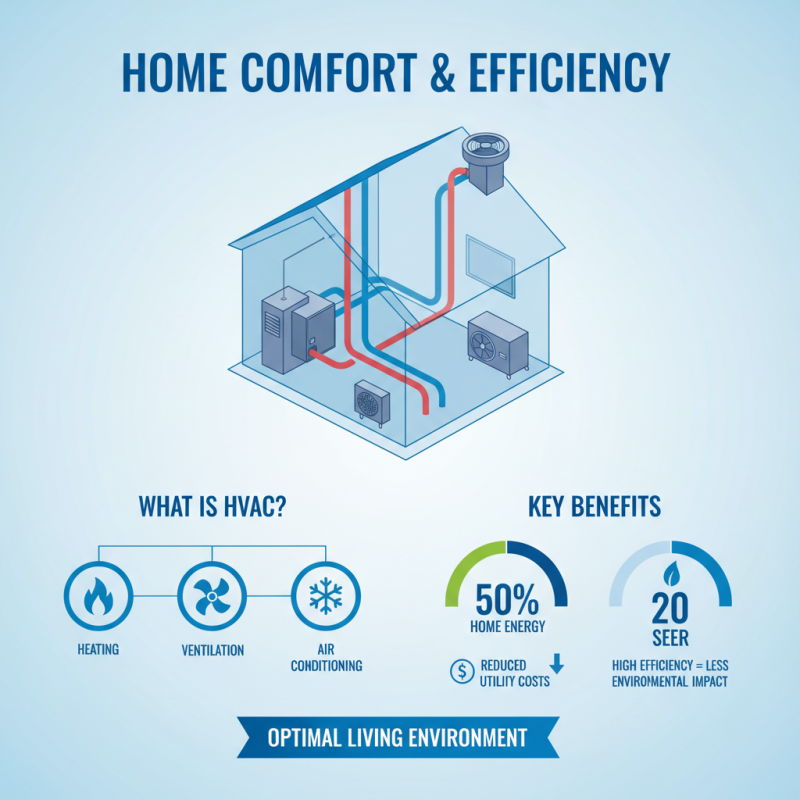
Understanding the role of HVAC systems in home comfort and efficiency is essential for maintaining an ideal living environment. HVAC, which stands for heating, ventilation, and air conditioning, plays a pivotal part in regulating indoor air quality and temperature. According to the U.S. Department of Energy, nearly half of the energy used in a typical home is attributed to heating and cooling, making the selection of the right equipment critical. A well-designed and efficient HVAC system can significantly reduce energy consumption, with some modern systems achieving efficiency ratings as high as 20 SEER (Seasonal Energy Efficiency Ratio), which translates to lower utility costs and reduced environmental impact.
Moreover, beyond energy savings, HVAC systems directly affect indoor air quality, which is crucial for health and comfort. The American Society of Heating, Refrigerating and Air-Conditioning Engineers (ASHRAE) emphasizes that proper ventilation is vital for ensuring a sufficient supply of fresh air and preventing the buildup of indoor pollutants. With homeowners spending about 90% of their time indoors, an efficient HVAC system not only controls temperature but also filters out allergens, dust, and other pollutants, contributing to overall well-being. Therefore, investing in the right HVAC equipment is not merely a matter of comfort but also one of health and efficiency.
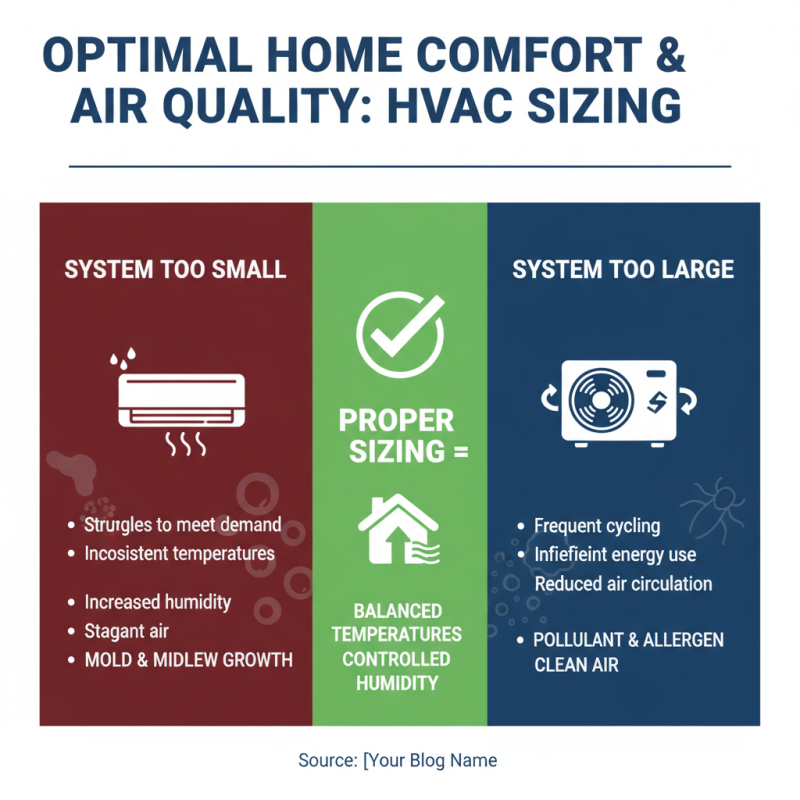
Choosing the right HVAC equipment is essential for maintaining optimal home comfort. Several factors influence this selection process, with one of the most critical being the size of your home. An HVAC system must be appropriately sized to ensure efficient heating and cooling. A system that is too small will struggle to maintain desired temperatures, while one that is too large may cycle on and off too frequently, leading to energy waste and uneven room temperatures. Conducting a load calculation can help determine the appropriate size for your HVAC equipment.
Another significant factor to consider is energy efficiency. Look for systems that offer high Seasonal Energy Efficiency Ratio (SEER) and Annual Fuel Utilization Efficiency (AFUE) ratings. Energy-efficient systems not only lower energy bills but also have a reduced environmental impact. Additionally, the type of fuel used, whether it’s electricity, gas, or renewable sources, can play a pivotal role in performance and operational costs. Exploring programmable thermostats and smart home integration can further enhance energy savings by allowing for better control and scheduling of heating and cooling cycles. Ultimately, thorough research and careful consideration of these factors will contribute to achieving optimal HVAC performance in your home.
When selecting HVAC equipment for your home, understanding energy efficiency ratings such as SEER (Seasonal Energy Efficiency Ratio) and AFUE (Annual Fuel Utilization Efficiency) is key to ensuring optimal comfort and cost savings. SEER measures the efficiency of cooling systems, indicating how much cooling output is produced per unit of energy consumed over a typical cooling season. According to the U.S. Department of Energy, a higher SEER rating translates to lower energy bills; for example, upgrading from a SEER 10 system to a SEER 16 can save homeowners approximately $30 to $50 on cooling costs.
On the heating side, AFUE rates how efficiently a furnace converts fuel into heat over a typical year. An AFUE rating of 90% means that 90 cents of every dollar spent on fuel is converted into usable heat, making it an essential figure for evaluating heating systems. The American Council for an Energy-Efficient Economy (ACEEE) emphasizes the importance of selecting heating units with higher AFUE ratings, recommending that homeowners aim for systems with at least a 92% rating to ensure efficiency, particularly in colder climates. By prioritizing these energy efficiency ratings, homeowners can enhance their comfort while significantly reducing energy consumption and costs over time.
The proper sizing of HVAC equipment is vital for maintaining optimal indoor air quality and comfort levels in your home. When an HVAC system is too small, it struggles to meet the heating or cooling demands of the space, leading to inconsistent temperatures and increased humidity. This imbalance can result in stagnant air, which may foster the growth of mold and mildew, negatively affecting the overall air quality. On the other hand, an oversized system tends to cycle on and off frequently, which not only causes inefficient energy use but also reduces the air circulation, potentially leading to a buildup of pollutants and allergens.
Moreover, proper HVAC sizing ensures that the system operates within its designed efficiency range. When the equipment is correctly sized, it will maintain steady temperatures while effectively filtering and circulating air throughout the home. This enhances comfort levels, allowing for consistent airflow and temperature control, which are essential for a pleasant living environment. Additionally, a well-sized HVAC system can help to minimize energy consumption and utility costs, offering a sustainable solution for energy efficiency without compromising comfort. Proper installation and regular maintenance are equally important to support the functionality and longevity of the HVAC system, ensuring that your home remains comfortable and healthy year-round.
Investing in the right HVAC equipment can significantly reduce long-term costs for homeowners while enhancing overall comfort. When choosing an HVAC system, prioritizing energy efficiency is essential. High-efficiency units consume less electricity and gas, leading to lower monthly utility bills. Over time, this can result in substantial savings, especially in regions with extreme temperatures where HVAC systems are used regularly. The initial investment may be higher, but the reduction in energy consumption can quickly recoup the difference.
Moreover, reliable HVAC systems tend to require less maintenance and repair, contributing further to cost savings. Advanced models often come equipped with smart technology that can optimize performance and alert homeowners about maintenance needs before they escalate into costly repairs. By making an informed choice upfront, homeowners not only enhance their comfort but also invest in a system that is likely to have a longer lifespan and lower operational costs, providing peace of mind and financial benefits for years to come.
This chart demonstrates the financial implications of investing in the right HVAC equipment. The initial cost represents the purchase and installation expense, while maintenance costs accumulate over the first five years. Energy cost savings reflect the benefits of energy-efficient systems over the same period, and the lifespan indicates how long quality equipment can last, ultimately influencing long-term comfort and financial health in a home.