
Skip to content

How to Choose the Right Cummins Series for Your Needs?

Choosing the right Cummins series engine is crucial for maximizing efficiency and performance. The Cummins series offers a range of engines tailored for various applications. Each series comes with unique features and specifications that cater to specific needs.

Understanding the nuances of the Cummins series can be overwhelming. It’s essential to assess your project's requirements before making a decision. The right series enhances productivity and reduces operational costs. However, selecting the wrong engine can lead to inefficiencies and increased maintenance issues.

Consider factors such as power requirements, fuel efficiency, and reliability. Each engine in the Cummins series is designed with particular strengths. Reflecting on your specific demands can guide you toward the best choice. Making a hasty decision might cause complications down the line. Take the time to evaluate all options within the Cummins series for an optimal solution.
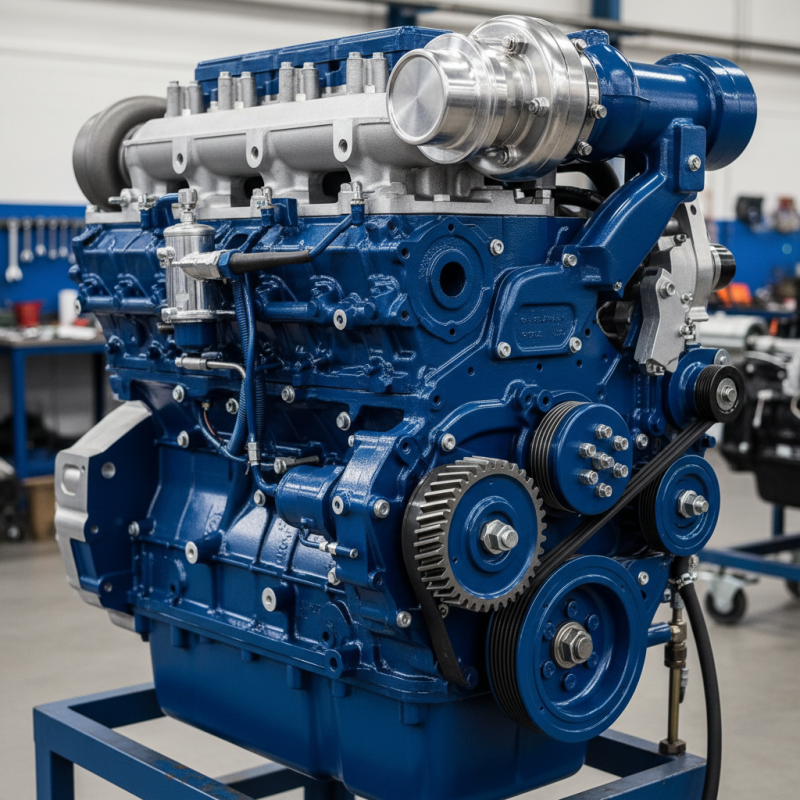
How to Choose the Right Cummins Series for Your Needs?

Understanding Cummins Series: An Overview of Available Options

When exploring Cummins series options, understanding the variety available is essential. Each series caters to specific needs and applications. For instance, some engines focus on heavy-duty tasks, while others excel in efficiency and power for light applications. Evaluating your requirements against these categories is crucial.

Tips: Identify your primary application first. Consider factors like load capacity, operational hours, and fuel type. This clarity will lead you to the most suitable series for your requirements.

Moreover, the specifications can vary significantly. Compression ratio, horsepower, and torque are key aspects to consider. It's also valuable to think about maintenance and fuel efficiency. Choosing an engine that balances performance with cost-efficiency can be challenging but rewarding.

Tips: Review user feedback and expert reviews. This will give you insights into real-world performance, which can highlight potential benefits or issues. Don't overlook warranty and service options provided for each series; these can impact your long-term satisfaction with the engine.

Identifying Your Power Requirements: Essential Considerations

Choosing the right Cummins series begins with understanding your power requirements. Assessing your specific needs is essential. Consider the application for which you need power. Are you using it for standby, prime, or continuous operation? Each scenario requires a different power output.

Evaluating load demands is fundamental. Determine the total wattage of your equipment. This helps you avoid underloading or overloading the generator. Underloading can cause inefficiency, while overloading may damage the system. Think about future needs too; your requirements could change.

Tips: Keep a record of past power usage to guide your decision. Consult with professionals who have experience in power systems. They can provide insights that align with your unique situation. Ensure your selection process includes a thorough comparison of specifications. Take your time—misjudgments can lead to costly mistakes.

Evaluating Engine Features and Specifications for Your Needs

Choosing the right engine series is critical for specific needs. When evaluating engine features, consider horsepower and torque ratings. These specifications define the engine’s performance. High torque is essential for heavy-duty applications. Analyze fuel efficiency; a more efficient engine saves operational costs over time.

Look into size and weight. Ensure it fits your equipment. A compact engine can help in tight spaces. Noise levels matter, too; quieter engines enhance user comfort and meet regulations. Also, check emission standards. Engines that comply with emissions regulations may have higher upfront costs but save you from future fines.

Durability should not be overlooked. An analysis of materials used can reveal how long an engine may last. Remember, even a well-rated model can underperform if misapplied. Always reflect on your specific use case. A detailed comparison of multiple series may reveal unexpected insights.

Comparing Efficiency and Performance Across Different Series

When selecting the right series for your engine needs, understanding the differences in efficiency and performance is crucial. Each series offers unique features. Some excel in fuel economy, while others prioritize raw power. Your requirements heavily influence this choice.

For instance, consider how load capacity affects engine performance. If your tasks demand heavy lifting, you might lean towards a series designed for high torque. However, these might sacrifice fuel efficiency. On the other hand, lighter tasks could benefit from engines that are more economically friendly but may struggle under heavier loads. Balancing these factors is key.

Additionally, environmental impacts are now at the forefront. Some series adhere to stricter emissions standards. This can lead to higher initial costs but can save money in the long run. This balance between upfront investment and long-term savings offers food for thought. Reflect on what matters most for your application. Making an informed decision requires careful consideration of these often-overlooked details.

Making the Right Choice: Budget and Long-Term Support Factors

Choosing the right series for your needs involves careful consideration. Budget is a critical factor. Calculate upfront costs and ongoing expenses. High initial investments might seem daunting, but they can prove beneficial in the long run. Lower-quality options can lead to more frequent repairs. This often offsets initial savings.

Long-term support is equally important. Assess the availability of service centers and skilled technicians. Easy access to services can save time and money. Training and resources also play a role. A series that offers solid support can enhance your efficiency and productivity. Always review user feedback for real-world experiences. Hearing from others can shed light on potential pitfalls.

Don't forget about your specific needs. What are your operational demands? Load capacity, performance levels, and usage frequency matter. Sometimes, a more expensive option might meet your requirements better. Reflect on what features you truly need versus those that are simply nice to have. Your decision will shape your operations for years to come.