
Skip to content

How to Choose the Best Vaccination Gun for Sheep?

Choosing the right Vaccination Gun For Sheep is crucial for effective herd health management. Vaccination plays a vital role in preventing diseases like ovine respiratory disease and reproductive failures. Research shows that up to 70% of vaccinated sheep show improved immune response compared to unvaccinated animals. This highlights the importance of selecting an effective vaccination delivery system.

When considering a vaccination gun for sheep, factors such as ease of use, dosage accuracy, and safety features are paramount. A study from the American Veterinary Medical Association emphasized that incorrect dosage can harm the animal and reduce vaccine efficacy. Many farmers may overlook this critical aspect, leading to suboptimal vaccination outcomes. It's essential to consider both the technical specifications and practical usability of the device.

Choosing a vaccination gun requires a balance of knowledge and experience. Farmers must assess their unique flock needs and operational efficiency. A well-suited vaccination gun can greatly improve sheep well-being. However, decision-making should be reflective and thorough to avoid common pitfalls in vaccine administration.
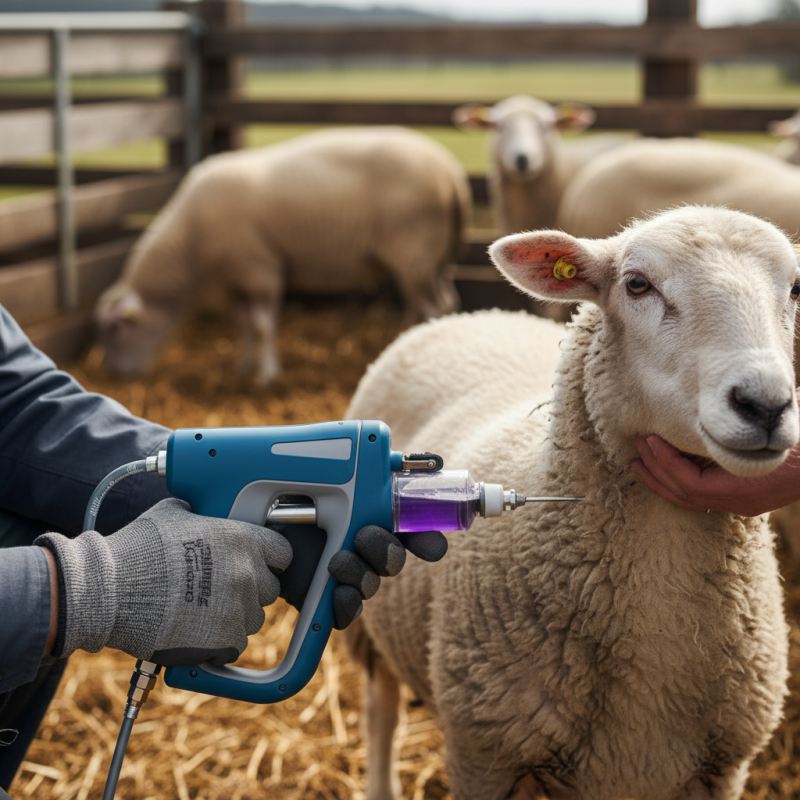
How to Choose the Best Vaccination Gun for Sheep?

Factors to Consider When Choosing a Vaccination Gun for Sheep

Choosing the right vaccination gun for sheep is crucial. There are several factors to consider. The first is the size of the sheep. Smaller breeds may require different guns than larger ones. The design of the gun should allow for easy operation with minimal stress to the animals. If the gun is too heavy or awkward, it may lead to injury or discomfort during vaccination.

Another important factor is the type of vaccine being administered. Some vaccines require specific pressure settings for effective delivery. It's essential to find a gun that can accommodate these needs. Additionally, ease of cleaning and maintenance should not be overlooked. A well-maintained gun ensures safety for both the sheep and the user. Some pens are complicated to disassemble, making routine cleaning a hassle.

User experience can vary. Some operators report difficulties in achieving accurate shots. This often leads to wasted vaccine and stressed animals. Testing different models can help identify issues. Observing how other experienced farmers handle their vaccination process can provide valuable insights. Remember, what works for one may not work for another, so it's essential to evaluate the tools critically.

Vaccination Gun Features for Sheep

Types of Vaccination Guns Available for Sheep Farming

When selecting a vaccination gun for sheep farming, it's essential to understand the types available. There are several options to consider. The manual guns require physical effort, providing control over dosage. However, they may lead to operator fatigue during large-scale vaccinations. This can affect efficiency.

On the other hand, automatic guns offer speed and consistency. They reduce the risk of overdosing or underdosing. However, they can be more expensive and may require training. New users might find them less intuitive at first.

Spring-loaded guns represent a middle ground. They are simpler and require less force than manual versions. Still, precision can sometimes be an issue if the operator is inexperienced. Assessing the pros and cons of each type is vital. Each farm’s needs may vary, impacting effective vaccination strategies.

How to Assess the Capacity and Efficiency of Vaccination Guns

When assessing the capacity and efficiency of vaccination guns for sheep, several factors must be considered. The ideal vaccination gun can administer vaccines evenly and quickly, minimizing stress on the animals. Research indicates that efficient vaccination methods can reduce disease incidence by up to 30%. Therefore, the design of the gun plays a critical role in achieving this goal.

Capacity matters greatly. A vaccination gun's chamber size can influence how many doses you can deliver in one go. According to industry reports, a gun with an appropriate capacity can increase vaccination throughput by 25%. Efficiency is not just about speed; it also involves accuracy. Poorly calibrated guns may lead to vaccine wastage and uneven dosing, which can harm herd health.

**Tip:** Regularly calibrate your vaccination guns to ensure proper dosages.

Choosing a gun with adjustable settings allows for better control over the dosage. A gun that fits your hand comfortably also improves precision during use. Not all guns fit every size of sheep well, so it’s essential to select based on your herd's needs.

**Tip:** Test different types to find the best match for your flock.

Ultimately, understanding the nuances—such as chamber size and ease of use—can make a significant difference in effective vaccination practices. Consider these aspects carefully, as they can ultimately impact your flock's health and productivity.

How to Choose the Best Vaccination Gun for Sheep? - How to Assess the Capacity and Efficiency of Vaccination Guns

Model Capacity (ml) Injection Speed (shots/min) Weight (kg) Ease of Use (1-5) Price Range ($)
Model A 2.5 60 1.2 4 150-200
Model B 3.0 55 1.5 5 200-250
Model C 2.0 50 1.0 3 100-150
Model D 4.0 70 1.8 4 250-300

Understanding the Importance of Precision in Sheep Vaccination

Precision in sheep vaccination is crucial for effective herd management. Accurate administration of vaccines ensures that each sheep receives the right dosage at the right time. This minimizes the risk of disease outbreaks and promotes overall flock health. When vaccination is done imprecisely, there can be significant gaps in protection. A single misstep may lead to unprotected animals, costing farmers time and money.

Choosing the right vaccination gun plays a vital role in achieving precision. Look for features that allow for adjustable dosages and customizable settings. The design should facilitate ease of use and minimize discomfort for the animals. Additionally, regular maintenance of the equipment is essential for ensuring accuracy. A poorly maintained gun can lead to inconsistent delivery and may even harm the sheep.

Farmers often overlook the finer details. Rushing the vaccination process can result in mistakes. Take time to calibrate equipment before use. Assess your technique regularly. Reflect on past vaccinations and consider areas for improvement. Each vaccination is a chance to enhance flock health, so focus on making every shot count.

Maintenance and Care Tips for Your Vaccination Gun

Proper maintenance of your vaccination gun is essential for effective sheep healthcare. Regular cleaning prevents cross-contamination during vaccinations. Reports indicate that 25% of vaccine failures arise from improper handling and equipment issues. So, thoroughly clean the gun after each use. Pay special attention to the nozzle and plunger, as these parts can easily harbor residue. Use warm soapy water, then rinse and dry completely.

Check for wear and tear periodically. A worn-out seal can lead to inconsistent dosages. It’s recommended to replace seals and other crucial components every 6 to 12 months, depending on usage. Inspections should happen before each vaccination event. If a malfunction occurs during use, it can compromise animal health. Moreover, storing the vaccination gun in a dry, cool place extends its life. Always follow the manufacturer’s guidelines for storage and maintenance.

Regular training for operators is also vital. Understanding how to use the gun effectively ensures accuracy. Data suggests that proper training can improve vaccination efficiency by up to 30%. Take time to reflect on the training needs. Neglecting this aspect can lead to errors that affect herd immunity. By prioritizing maintenance and education, sheep farmers can foster healthier flocks.