
Skip to content

How to Choose the Best PEMF Foot Machine

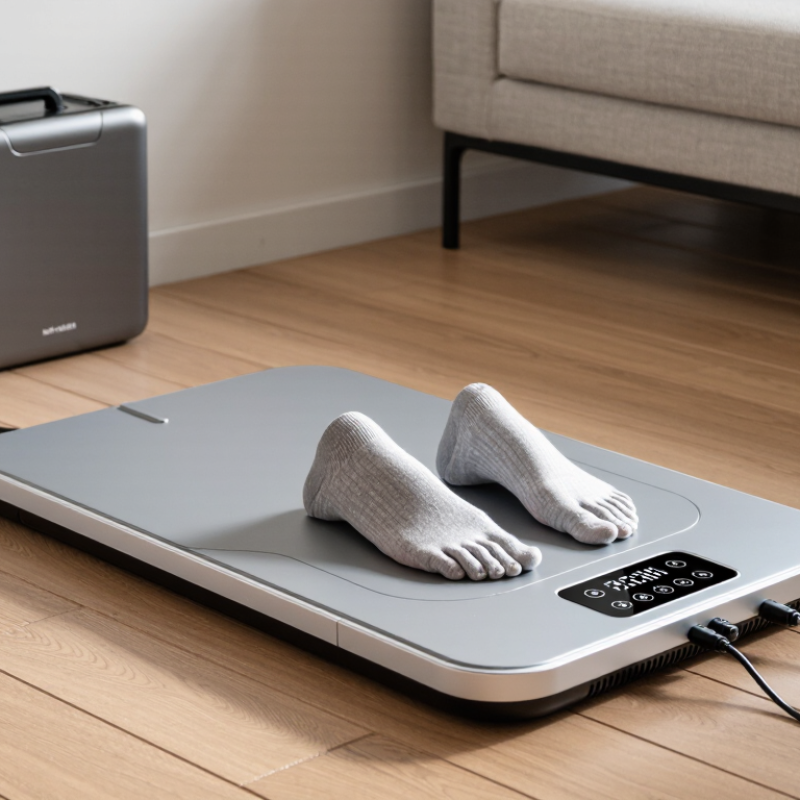
Choosing the right Pemf Foot Machine requires more than comparing prices or counting preset programs. A useful device should match your comfort, space, routine, and realistic expectations. Some models resemble slim mats, while others use enclosed foot chambers with visible control panels. Imagine placing your feet inside after work, wearing thin socks, and adjusting the session without bending awkwardly. Small design details can shape whether you use the machine consistently.

Look for clear specifications, including frequency ranges, intensity settings, session duration, and applicator coverage. Independent safety certifications and transparent manufacturer information also deserve attention. A reliable brand should explain its testing process, warranty terms, cleaning instructions, and customer support. Marketing language can sound impressive. It is not always evidence. Research on PEMF continues to develop, and results may vary between people and devices. A responsible buyer should avoid promises involving guaranteed healing, rapid cures, or replacement of professional treatment.

Comfort matters more than many product pages admit. Check the foot opening, cable length, control layout, and noise level before purchasing. If your feet feel cramped after five minutes, the machine may remain unused in a cupboard. I would also compare return policies, because online photographs can hide awkward dimensions or weak materials. People with implanted electronic devices, pregnancy, circulation concerns, or ongoing medical conditions should seek qualified medical advice first. The best Pemf Foot Machine is not necessarily the strongest or most expensive. It is the one with credible information, sensible safety guidance, and a design you can use consistently. Perfect choices are rare. Careful comparisons are better.
How to Choose the Best PEMF Foot Machine

What a PEMF Foot Machine Is and How It Works

A PEMF foot machine uses pulsed electromagnetic fields, not electrical current flowing through your skin. Coils beneath the footrest create changing magnetic fields. These fields can induce very small electrical signals in nearby tissue. The experience is usually quiet, with little heat and no visible movement.

Evidence remains uneven. The U.S. Food and Drug Administration has cleared specific PEMF applications, mainly for certain bone-healing uses, but that does not prove every foot device improves circulation or pain. A 2023 review in Bioelectromagnetics reported mixed clinical findings across PEMF studies, with differences in frequency, intensity, and treatment time. That variation matters. Marketing often makes the technology sound more settled than it is.

When choosing a machine, check its published frequency, magnetic intensity, coil placement, session timer, and safety instructions. A 2024 Grand View Research analysis estimated the global PEMF market at about USD 0.7 billion in 2023, showing strong commercial interest, not guaranteed medical value. Ask whether the device has regulatory clearance for its stated purpose. Avoid vague “cellular energy” promises. In practical use, a foot machine should feel manageable while seated, with controls you can read easily and a stable base. I would also request independent testing data. Manufacturer measurements can be useful, but they are not the same as clinical proof. People with implanted electronic devices, pregnancy, reduced foot sensation, or serious medical conditions should seek professional advice before use.

Define Your Health Goals and Personal Usage Needs

How to Choose the Best PEMF Foot Machine

Start by defining the health goal, not by comparing attractive settings. Are you seeking short-term comfort after standing, a relaxation routine, or support during recovery? These goals require different expectations.

The World Health Organization reported that about 31% of adults worldwide were insufficiently active in 2022. That figure matters because a foot device cannot replace walking, strength training, or medical care. It may only complement a broader routine.

Consider your personal usage needs in detail. Measure the space beside your chair. Check whether the controls are readable, the session length fits your schedule, and the surface feels stable under both feet.

A five-minute routine you actually repeat may be more useful than an advanced machine used once a month. Keep a simple log of discomfort, session time, and next-day response. Look for patterns. They may be unclear at first.

PEMF evidence is not equally strong for every purpose. The National Center for Complementary and Integrative Health notes that research on electromagnetic therapies remains mixed and condition-specific.

Do not treat marketing language as clinical proof. Ask whether published studies match your goal, intensity range, and age group.

If you have an implanted electronic device, reduced sensation, unexplained swelling, or ongoing foot pain, speak with a qualified clinician before use. I would also question my first choice after two weeks. No noticeable benefit, poor comfort, or inconsistent use may mean the machine is simply not suitable.

Compare Intensity, Programs, Coverage, and Essential Features

How to Choose the Best PEMF Foot Machine

Compare Intensity, Programs, Coverage, and Essential Features

Choosing a PEMF foot machine requires more than checking its highest intensity. A stronger setting is not automatically better for every user.

Review the intensity range and adjustment steps carefully. Small increments make it easier to find a comfortable level. Look for clear specifications, not vague claims.

A reliable device should explain its field strength, waveform, session length, and operating method. Independent testing or transparent technical documentation adds confidence.

Programs also deserve close attention. Some machines offer preset sessions for relaxation, recovery, or daily use. Useful controls let you change time and intensity without complicated menus.

Keep expectations realistic. PEMF responses can vary, and evidence may not support every advertised benefit. Speak with a qualified healthcare professional if you have an implanted electronic device, pregnancy concerns, or a medical condition.

Coverage is easy to overlook.

Check whether the applicators reach the soles, heels, arches, and sides of both feet. Uneven coverage can make sessions feel inconsistent. A wide platform may help, but it can also increase storage space. Measure your chair area first.

Essential features include a stable base, low operating noise, washable surfaces, automatic shutoff, and readable controls.

A lengthy warranty helps. So does responsive customer support. Do not ignore comfort. If the foot space feels cramped, regular use may become unlikely. Convenience matters more than impressive specifications.

Check Safety Standards, Comfort, and Ease of Operation

How to Choose the Best PEMF Foot Machine

Safety should guide the purchase. Look for evidence of IEC 60601-1 electrical safety testing and IEC 60601-1-2 electromagnetic compatibility testing. These standards do not prove therapeutic effectiveness. They show that basic risks received professional attention. Also check the manufacturer’s technical file, not only a certification logo. Regulatory registration does not automatically mean clinical approval. A 2024 market report from Grand View Research estimated the global PEMF therapy market above USD 600 million. Rapid growth can attract exaggerated claims. That deserves caution.

Comfort affects whether you will use the machine consistently. A stable footbed, smooth edges, low operating noise, and adjustable intensity matter during a 20-minute session. Check the surface carefully. It should not feel sharp, slippery, or excessively warm. A washable cover is useful for shared household use. Users with implanted electronic devices, pregnancy concerns, reduced sensation, or chronic conditions should ask a qualified clinician before use. The evidence is not equally strong for every claimed benefit.

Ease of operation is easy to underestimate. Look for large buttons, clear intensity levels, a visible timer, and automatic shutoff. Avoid controls that require a phone application unless setup is genuinely simple. A 2023 review of PEMF research reported substantial variation in frequency, intensity, and session duration. Therefore, identical-looking machines may not deliver comparable protocols. I would test the controls while seated, with bare feet, before paying. Small inconvenience becomes a reason to stop. That part is often missed.

How to Choose the Best PEMF Foot Machine - Check Safety Standards, Comfort, and Ease of Operation

Evaluation Dimension What to Check Reliable Benchmark or Evidence Priority Warning Signs
Electrical Safety Confirm that the device has appropriate protection against electric shock, overheating, abnormal operation, and power-supply faults. Look for documentation referencing IEC 60601-1 when the product is marketed as medical electrical equipment. A complete user manual and safety file are preferable. Critical Unidentified power adapter, exposed wiring, excessive heat, burning smell, or missing electrical specifications.
Electromagnetic Compatibility Check whether the machine can operate safely near common household electronics and whether it may interfere with other equipment. IEC 60601-1-2 is the relevant EMC standard for many medical electrical devices. In the United States, FCC authorization addresses radio-frequency emissions but is not a complete medical-safety assessment. Critical No EMC information, unexplained interference with electronics, or claims that a regulatory mark alone proves clinical effectiveness.
Home-Use Suitability Review instructions for placement, ventilation, storage, cleaning, supervision, and use by people without technical training. For equipment intended for home healthcare environments, check whether the design and instructions address IEC 60601-1-11 considerations. High Instructions assume professional training or omit basic home-use precautions.
Output Transparency Check whether frequency, magnetic-field strength, waveform, session duration, and output tolerance are clearly stated. Specifications should use recognized units such as hertz (Hz) for frequency and tesla or microtesla (T or µT) for magnetic flux density, with test conditions described. High Only vague terms such as “powerful” or “professional strength,” with no measurable output data.
Independent Verification Ask whether safety and output claims are supported by test reports from a competent, independent laboratory. A report should identify the exact model, test date, methods, measured results, and applicable standards. Marketing statements are not substitutes for test evidence. High A certificate applies to a different model, has no traceable laboratory details, or cannot be provided on request.
Contraindication Information Check for clear warnings concerning implanted electronic devices, pregnancy, active medical conditions, and other situations requiring professional advice. The manual should identify intended users, excluded users, possible adverse effects, and when to stop using the device. Magnetic fields may interfere with some implanted electronic devices. Critical Statements that the machine is universally safe or suitable for every medical condition.
Footbed Comfort Assess cushioning, surface texture, foot-space, edge design, and whether the footbed creates pressure points. A suitable design should allow a natural seated posture, provide stable foot placement, and remain comfortable for the full recommended session. High Hard seams, slippery surfaces, cramped foot space, or discomfort during a short trial.
Heat and Sensation Determine whether the device produces heat, vibration, sound, or other sensations and whether these can be adjusted. The manual should describe expected sensations and operating temperature. Users should be able to stop a session immediately if discomfort occurs. High Unexpected heating, strong sensations not described in the manual, or no accessible stop control.
Controls and Display Evaluate button layout, display readability, session timer, intensity control, program selection, and error notifications. Controls should be understandable without technical knowledge. Usability engineering principles are addressed by IEC 62366-1 for applicable medical devices. High Confusing icons, hidden settings, unclear units, or a session that cannot be stopped quickly.
Automatic Session Control Look for a built-in timer, automatic shutoff, restart protection, and a clearly marked emergency stop or power switch. Automatic shutoff should follow the programmed session and the device should return to a safe state after a power interruption where applicable. Critical No timer, no automatic shutoff, or unexpected operation after power is restored.
Cleaning and Skin Contact Check whether the footbed is sealed, easy to wipe, resistant to ordinary cleaning agents, and free from difficult-to-clean gaps. Materials that contact skin should be identified, and applicable biological-safety evaluation should be considered under the ISO 10993 series. High Absorbent fabric, inaccessible seams, unclear cleaning instructions, or materials with strong chemical odors.
Portability and Stability Compare weight, carrying handles, cable storage, base stability, and the space required for operation. A stable base, non-slip feet, and manageable dimensions reduce the risk of accidental movement or trips during use. Medium Sharp edges, unstable positioning, loose cables, or a weight that makes regular setup impractical.
Manual and Customer Support Review the clarity of setup instructions, troubleshooting steps, maintenance guidance, and access to replacement parts. The manual should include model identification, electrical ratings, intended use, warnings, cleaning instructions, and service contact details. Medium Poorly translated instructions, missing model information, or no repair and support process.
Claims and Intended Use Separate measurable device specifications from claims about treating symptoms or medical conditions. Prefer transparent claims supported by published evidence and applicable regulatory documentation. No single PEMF setting is universally established as the best option for every user. High Promises to cure multiple diseases, replace medical treatment, or deliver guaranteed results for everyone.

Selection note: Give the greatest weight to electrical safety, contraindication information, output transparency, and automatic session control. Consult a qualified healthcare professional before use if you have an implanted electronic device, are pregnant, or have a medical condition requiring specialist advice.

Evaluate Build Quality, Price, Warranty, and Long-Term Value

How to Choose the Best PEMF Foot Machine

Build quality should be your first practical check. Examine the foot pads, cables, controller, and stitching around the housing. Materials should feel firm, not lightweight or brittle. Controls must be clear enough to use without guessing. A loose connector can become irritating after repeated sessions. I once focused too heavily on attractive settings and ignored cable strain. That judgment was incomplete.

Price needs context. Compare included accessories, session controls, power output information, and expected service life. A cheaper device may cost more if its controller fails outside coverage. However, a higher price does not automatically prove better engineering. Look for transparent specifications and realistic product claims. Independent reviews can reveal heat buildup, uneven pad performance, or difficult controls. Pay attention to repeated complaints, not one dramatic opinion.

Warranty terms show how seriously the seller supports its equipment. Check coverage length, exclusions, repair procedures, and return shipping responsibilities. Keep your receipt and record the purchase date. Long-term value also depends on replacement parts and customer service response times. Ask whether the machine is intended for regular home use. Consult a qualified healthcare professional if you have implanted electronic devices, circulation concerns, or ongoing treatment. PEMF products should not replace prescribed care. Leave space for doubt. A machine can be well made and still provide limited personal benefit. Test comfort, usability, and consistency before judging its value.