
Choosing the right Circuit Breaker Panel is essential for safety and functionality in any electrical system. A well-suited panel ensures that your home or business maintains power during unexpected surges. Poor choices can lead to hazardous situations like electrical fires or equipment damage.
When selecting a Circuit Breaker Panel, consider your power needs. This involves evaluating the total load requirement for your appliances and devices. A panel that cannot handle your load will trip frequently, which is inconvenient and dangerous. The right circuit breakers protect your home, but improper selection may leave you feeling vulnerable.
Additionally, think about installation and maintenance. Certain panels can be more complex to install. A professional may be needed, adding to your costs. Take the time to research different brands, their warranties, and customer service offerings. This will help ensure your decision is informed and reliable. Ultimately, a thoughtful choice in Circuit Breaker Panel will enhance your safety and peace of mind.
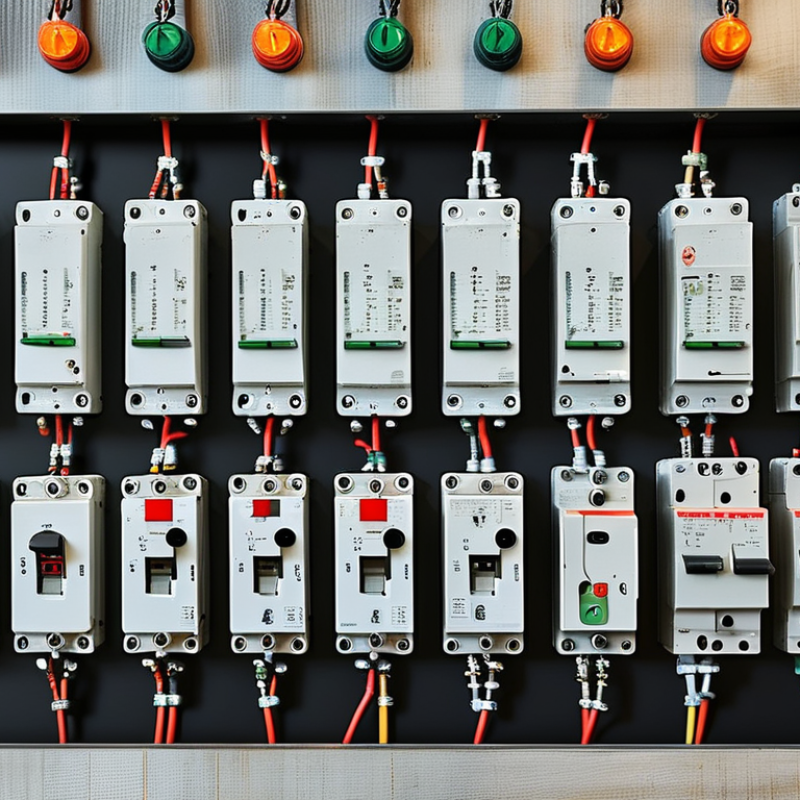
Circuit breaker panels are essential in modern electrical systems. They serve as a distribution point for electricity. Each panel contains circuit breakers that protect electrical circuits from overloads and short circuits. Understanding their functions helps you make informed choices for your home or business.
A circuit breaker panel monitors the flow of electricity. When a fault occurs, it disconnects power to prevent damage. This feature is crucial for safety. Over time, panels can wear out, leading to ineffective protection. Regular maintenance is vital. Inspecting your panel can help identify issues early, ensuring continued reliability.
Choosing the right panel involves knowing your power needs. Consider the number of circuits required. Larger homes may need more breakers. Think about future expansion too. However, many people overlook this aspect. This can lead to problems down the line. Investing time to understand your circuit needs pays off in the long run. Remember, safety should always come first.
When selecting a circuit breaker panel, several key factors must be considered. The panel's capacity is crucial. Most homes require a panel rated between 100 to 200 amps. According to the National Electrical Code, these ratings are essential for ensuring safety and efficiency. An overloaded panel can lead to hazards, including electrical fires. Therefore, evaluating your household’s electrical load is vital before making a decision.
Another important aspect is the configuration. Breaker panels can be main breaker panels or subpanels, each serving different functions. Main panels are the heart of a home’s electrical system. Subpanels can be beneficial in larger homes, offering localized control. Research indicates that improper configurations can reduce efficiency by up to 30%. It’s important to consult knowledgeable electricians when determining the best layout.
Finally, consider the material and build quality. A reliable panel features heavy-duty materials that resist wear and tear. Many panels utilize steel or aluminum casing for durability. Ideally, you want a panel that can withstand environmental factors. A panel's lifespan can vary significantly based on its design. Some may last over 30 years, while others might fail prematurely. Understanding these factors ensures you choose the right circuit breaker panel for your needs.
When selecting a circuit breaker panel, understanding the options available in the market is crucial. There are several types of panels, each tailored to different requirements. The most common types include main breaker panels, subpanels, and main lug panels. Main breaker panels come equipped with a main switch to cut off power. These are ideal for homes with high electrical demands.
Subpanels serve a specific area or an addition to your home. They can efficiently distribute power while reducing the load on the main panel. Main lug panels, on the other hand, do not have a main breaker and are typically used in commercial settings. They can connect directly to an existing main breaker.
Another option is the Load Center, which is a compact solution for managing circuits. Understanding the unique needs of your home, such as the number of circuits required, will guide your choice. It’s essential to assess future electrical needs too. A growing family might require additional capacity down the line. Consider consulting with a professional to evaluate your situation, especially if you're unsure about your requirements. This insight can save you time and money.
Choosing the right circuit breaker panel begins with assessing your electrical needs. Understand how much power your home consumes daily. This knowledge helps in selecting a panel that can handle your load.
Consider the number of circuits you need. A typical household may require 100 to 200 amps. Factor in additional appliances that consume more electricity. It’s wise to leave some capacity for future upgrades.
Tip: List your major appliances and their wattage. This will guide you in calculating the total amperage required for your panel.
Always think about the layout of your home. A well-placed panel can save you from overhead wiring issues. An ideal panel must allow for easy access and upgrades over time.
Tip: Ensure the panel is easily accessible. A cramped location can lead to maintenance challenges.
Choosing a circuit breaker panel is important. Take your time and gather all necessary information. Each home is unique, and so are its electrical needs.
When it comes to circuit breaker panels, installation and maintenance are crucial for safety and efficiency. Proper installation can prevent electrical issues. Ensure the panel is mounted securely and at an accessible height. The placement matters; it should be in a dry and ventilated area. Use appropriate wiring methods to avoid potential hazards. Follow local codes or consult a professional electrician for guidance.
Maintenance is equally important. Regularly check for any signs of wear or damage. Inspect the breakers for tripping issues. If you notice frequent tripping, it could indicate an overloaded circuit. Cleaning the panel can help avoid dust buildup that may lead to overheating. Tighten any loose connections, as this can reduce risks significantly.
Consider potential improvements during maintenance checks. If your panel is outdated, explore options for upgrades. Newer panels offer enhanced safety features. While checking, take note of any trends in electrical usage. This could inform your next decisions about capacity and functionality needs. Reflect on these details often to ensure long-term reliability.
| Feature | Description | Importance |
|---|---|---|
| Panel Type | Main breaker or sub panel options. | Determines overall power distribution. |
| Amperage Rating | Common ratings are 100A, 200A, or 400A. | Should match or exceed current service needs. |
| Number of Circuits | How many circuits are needed for the home or facility. | Affects capacity and future expansion. |
| Type of Breakers | Standard, GFCI, and AFCI breakers available. | Different breakers protect against different hazards. |
| Size and Dimensions | Physical space available for installation. | Ensure panel fits within the allotted area. |
| Local Codes | Building codes may affect panel choices. | Compliance is essential for safety and legality. |
| Installation Services | Professional installation vs. DIY options. | Quality installation affects reliability and safety. |
| Maintenance Needs | Frequency and nature of maintenance checks. | Ensures long-lasting performance and safety. |