
Skip to content

How to Choose the Right Motor Start Capacitor for Your Needs?

Selecting the right Motor Start Capacitor is essential for optimal machinery performance. A motor start capacitor stores energy and helps start electric motors efficiently. Understanding your specific needs can enhance motor function and prolong equipment life.

Consider the motor's voltage and capacitance requirements. Each motor type often has unique specifications. A mismatch can lead to underperformance or damage. It's crucial to study labels on your motor closely. They provide key information to guide your selection process.

Beyond technical specifications, installation plays a role. Understanding how to attach and position a Motor Start Capacitor can impact effectiveness. Consult manuals or experienced technicians for best practices. Realizing the importance of these factors can lead to improved motor performance and reliability.
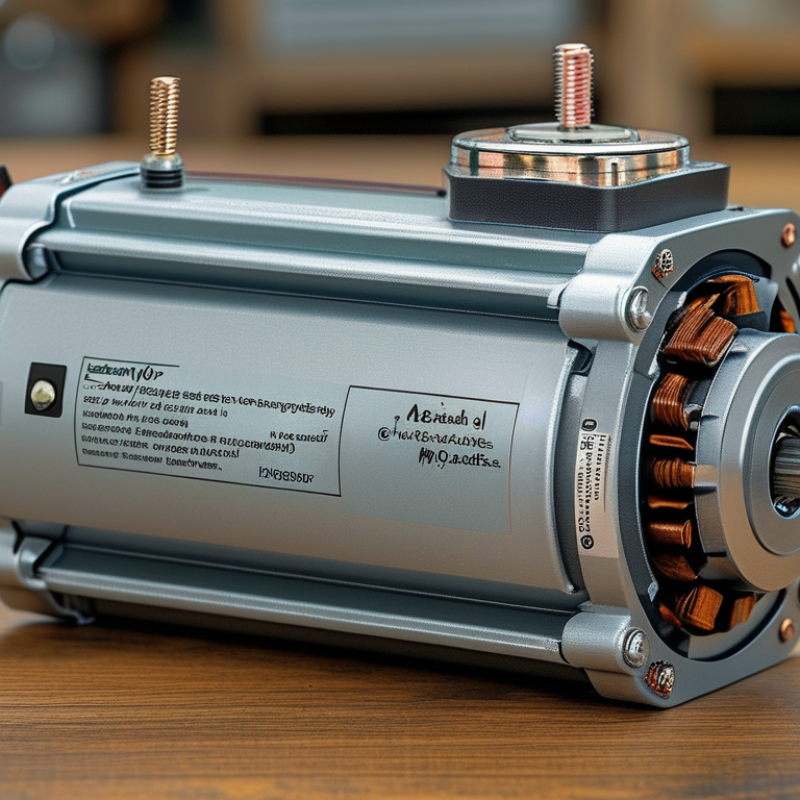
How to Choose the Right Motor Start Capacitor for Your Needs?

Understanding the Function of Motor Start Capacitors

Motor start capacitors play a crucial role in enhancing the efficiency of electric motors. They provide the additional power needed to start a motor, particularly in applications where high torque is necessary. Without a proper start capacitor, motors may experience difficulty in beginning their rotation, or even fail to start altogether. This can lead to increased wear and tear on motor components. Understanding how these capacitors work is key to ensuring reliable motor function.

Selecting the right motor start capacitor involves knowing its capacitance and voltage rating. A capacitor with the wrong specifications may not operate effectively, leaving your motor underpowered. Additionally, factors such as environmental conditions and the load type must be considered. A capacitor suited for one application may not work well in another setting. It's essential to evaluate these variables carefully, as improper choices can lead to frequent motor failures. Even experts may overlook these vital considerations, resulting in costly repairs.

Identifying Different Types of Motor Start Capacitors

When selecting a motor start capacitor, understanding the different types is essential. There are two main categories: electrolytic and film capacitors. Electrolytic capacitors are often used in high-capacitance applications. These capacitors can store a significant amount of energy. However, they have a shorter lifespan and are sensitive to overheating. In contrast, film capacitors generally offer better stability and longevity. They are suitable for lower capacitance needs but are more reliable in various conditions.

Identifying the right capacitor involves assessing your motor's requirements. Pay attention to voltage ratings and capacitance values. An oversized capacitor could lead to excessive current, damaging your motor. On the other hand, a capacitor that is too small may fail to start the motor at all. It’s important to measure the motor’s heat during operation. Overheating usually indicates a mismatch in capacitor choice. This can lead to inefficiencies or even failure.

Selecting the correct motor start capacitor is not always straightforward. Some users overlook polarity, which is crucial for electrolytic capacitors. Improper installation can lead to disastrous results. Ignoring environmental factors, like humidity or temperature, is also a common mistake. These elements can affect the capacitor's performance. Knowledge and careful consideration will guide you in making an informed choice.

Assessing Voltage and Microfarad Ratings for Compatibility

When selecting a motor start capacitor, understanding voltage and microfarad ratings is crucial. The voltage rating indicates the maximum electrical potential the capacitor can handle. It must meet or exceed the motor's required startup voltage. Failure to do so can lead to electrical breakdown. The microfarad rating reflects the capacitor's capacitance, influencing the amount of energy it can store. Capacitors with ratings too low may struggle to initiate motor operation.

Choosing the right ratings ensures compatibility. A capacitor rated too high in microfarads may cause the motor to run inefficiently. For example, a report from the Electric Power Research Institute highlights that mismatched capacitance can reduce efficiency by up to 20%. Thus, knowing the specifications of your motor is essential for selecting the right capacitor.

Tips: Always cross-reference manufacturer specifications. Use a multimeter to verify existing capacitor ratings before replacement. Consider environmental factors, as extreme temperatures can affect performance. Take time to assess compatibility carefully; neglecting this can result in premature capacitor failure or motor damage.

Motor Start Capacitor Ratings Comparison

This chart compares various motor start capacitors based on their microfarad ratings and voltage ratings. The data highlights the differences between capacitors and assists in choosing the right one for your needs.

Evaluating the Application and Load Requirements

Choosing the right motor start capacitor requires a clear understanding of your application and load requirements. Capacitors are essential for delivering the high starting torque some electric motors need. Different motors demand varying levels of capacitance based on factors such as horsepower and voltage ratings. For example, a typical capacitor for a single-phase motor may range from 2 to 50 microfarads, while larger industrial applications might require higher values.

Analyzing your specific load profile is critical. If the load is purely resistive, a capacitor suitable for low starting torque is adequate. However, induction motors, which have higher torque demands, may need a capacitor that can handle more amperage. A National Electrical Manufacturers Association (NEMA) report indicates that incorrect sizing can lead to inefficiencies, potentially causing a 5% increase in energy consumption.

Tips: Always measure your motor's running conditions before choosing a capacitor. Use an ammeter to determine current draw. It’s better to start with a capacitor slightly above the estimated requirement than risk underperformance. If uncertain, consulting a professional can save costly mistakes in the long run.

Tips for Installation and Troubleshooting Common Issues

When installing a motor start capacitor, precision is essential. Start by ensuring the voltage rating of your capacitor matches your motor's needs. Incorrect voltage can lead to inefficiency or failure. It's best to use a multimeter to verify the capacitor’s voltage and capacitance. A faulty capacitor can stall the motor, so double-check your readings before installation.

During installation, observe the polarity marks on the capacitor. Connecting it incorrectly can damage your motor. Use proper tools to secure the connections. A loose connection can create resistance and overheating. Monitor the initial start-up of the motor. If you hear unusual sounds or notice it struggling, consider re-evaluating your setup. Sometimes, small errors can lead to larger problems.

If issues arise after installing the capacitor, troubleshoot systematically. Inspect for physical damage on the capacitor or wiring. Test the capacitor again with a multimeter. If it’s not functioning as expected, replacement might be necessary. Reflecting on your process can reveal potential oversights. Each step is an opportunity to learn, ensuring a more reliable setup next time.

How to Choose the Right Motor Start Capacitor for Your Needs?

Capacitor Type Microfarads (µF) Voltage Rating (V) Application Common Issues
Polyester 10-75 µF 250 V Air Conditioning Overheating
Run Capacitor 5-50 µF 370 V Pumps and Fans Noise Issues
Dual Run Capacitor 30-70 µF 370 V HVAC Units Capacitor Failure
Electronic Capacitor 2-15 µF 450 V Refrigerators Starting Problems