How to Choose the Right Business HVAC System for Your Company?
Choosing the right business HVAC system for your company is crucial. It can affect employee comfort and energy costs. According to HVAC expert John Smith, "A well-chosen system can save businesses money and improve air quality."
Business HVAC choices can be overwhelming. Different sizes, models, and features exist. Companies may struggle to balance budget with efficiency. Many overlook the long-term benefits of investing in quality systems.
It's essential to evaluate your specific needs. Consider space, climate, and usage patterns. Some systems may not fit all businesses. Making the right decision requires research and reflection. This choice can impact your bottom line for years to come.
Understanding Different Types of HVAC Systems for Business Needs
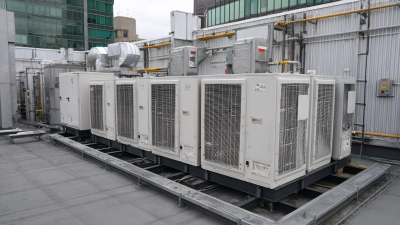
Choosing the right HVAC system for your business can be challenging. Understanding different types is essential. There are central air systems, ductless mini-splits, and packaged units. Each option has its strengths and weaknesses.
Central air systems work well for larger spaces. However, their installation can be costly and invasive.
Ductless mini-splits are flexible and help save space. They allow for zoning control, which can reduce energy costs. But, they might not suit every building layout.
Packaged units are convenient for smaller businesses. They integrate easily and can save on installation time. Still, they may lack efficiency in larger environments.
Businesses must consider their specific needs. Factors include size, layout, and budget. Even the best systems require regular maintenance and monitoring. Look for potential energy waste and inefficiencies. It’s a continuous process that demands attention. Selecting the right system is a significant decision that merits careful thought.
Evaluating Size Requirements for Your Commercial Space
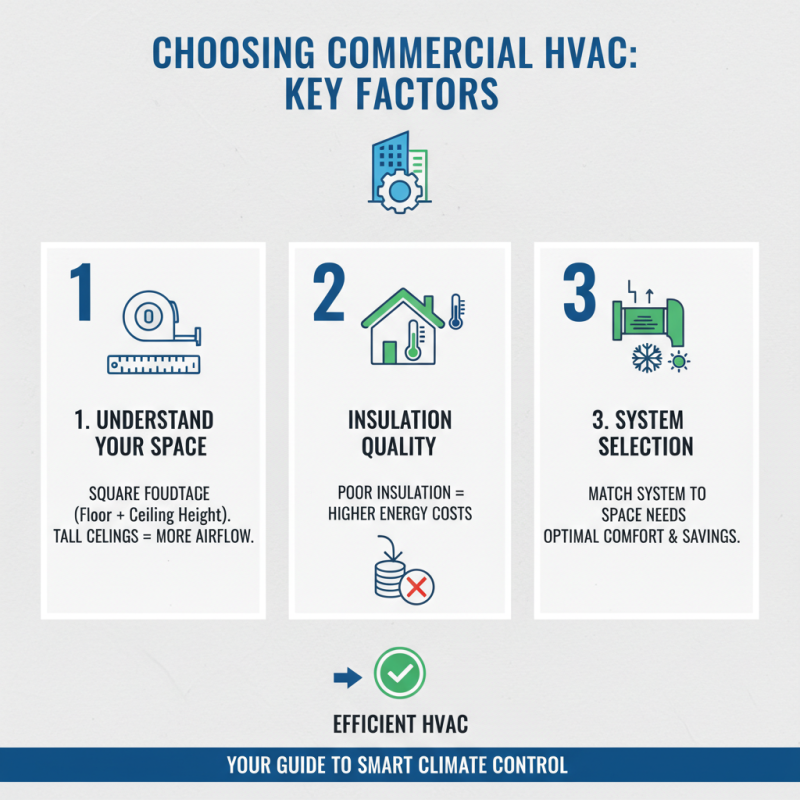
Choosing the right HVAC system begins with understanding your space. Evaluate the square footage of your commercial area. Measure not just the floor space, but also the ceiling height. A high ceiling requires more airflow. Additionally, consider your building's insulation quality. Poor insulation leads to increased energy costs.
Next, think about the number of occupants. More people generate more heat. This increases the load on your HVAC system. It's essential to estimate peak times when foot traffic is highest. Also, analyze your equipment and machinery. Heavy machinery can add significant heat. These factors may overwhelm a system that isn’t sized properly.
You might face some challenges in these evaluations. A misunderstanding of your space can lead to oversizing or undersizing the system. Oversized systems waste energy. Undersized systems struggle to maintain comfort. Both scenarios can harm your bottom line. So, reflect on your requirements carefully. Engage with experts for tailored advice, ensuring a system that meets your unique needs.
Assessing Energy Efficiency Ratings and Their Impact
When selecting a business HVAC system, energy efficiency ratings play a critical role. These ratings help determine how much energy your system will consume.
Systems with higher efficiency ratings save more energy and reduce operating costs. However, the initial investment can be higher. It's essential to weigh the long-term savings against upfront expenses.
Consider how the system's efficiency impacts daily operations. A less efficient system may cost you more in energy bills over time. You might save money at first but lose out later.
Furthermore, local climate conditions can affect efficiency. A system that works well in one environment might struggle in another.
Look at the ratings, but also consider actual performance. Not all systems perform as indicated. User experiences can shed light on potential issues.
It’s crucial to reflect on these details when making a choice. Decisions should be informed, balancing cost and effectiveness in your specific situation.
Considering Initial Costs vs Long-term Savings for HVAC Systems
Choosing the right HVAC system for your business involves balancing initial costs with long-term savings.
The first step is to assess your budget. Initial costs typically cover purchasing and installing the system. These can vary widely.
A basic unit might seem appealing initially, but does it fit your needs?
Cheaper systems may lead to higher energy bills down the line.
Long-term savings are often tied to energy efficiency.
Look for systems with a high Seasonal Energy Efficiency Ratio (SEER).
These systems may cost more upfront but can save significant money on monthly bills. Plus, consider maintenance costs.
A more expensive unit may require less maintenance. Reflecting on these factors is crucial.
You don’t want to end up with a unit that drains your resources.
The trade-off between upfront costs and future savings can be tricky.
A detailed analysis can help you make a more informed choice.
Maintenance and Support Services to Look for in HVAC Solutions
When selecting an HVAC system, don't overlook the importance of maintenance and support services. A reliable HVAC solution requires ongoing care. Proper maintenance ensures efficiency and longevity. Regular inspections can catch issues before they escalate.
Tips: Schedule routine check-ups every season. This can prevent costly repairs down the line. Look for providers who offer 24/7 support. Quick responses to problems minimize downtime.
Not all service agreements are the same. Some may lack comprehensive coverage. Explore what's included in the maintenance package. Ditching old filters may seem minor, but it impacts air quality. Clean ducts can enhance system efficiency.
Consider the training of technicians as well. Their expertise matters when servicing complex systems. Invest time in researching vendor backgrounds. Reliable service is an investment in your business's comfort. Ensure you ask detailed questions during discussions.