
Skip to content

How to Choose the Best Waterproof Screws for Your Projects?

Choosing the right screws for your projects can be crucial, especially when dealing with moisture-prone areas. Waterproof screws are designed to withstand the elements, ensuring longevity and durability. According to industry reports, the demand for such fasteners is rising, highlighting their importance in construction and DIY projects.

Data shows that approximately 35% of structural failures are linked to inadequate fastening solutions. This emphasizes the need for high-quality waterproof screws that meet specific project requirements. Selecting the right type depends on materials, environmental exposure, and the project scale. There are numerous types, including stainless steel and coated screws, each offering unique benefits.

The process of choosing waterproof screws must not be underestimated. Knowledge of materials and products is essential. Underestimating the impact of corrosion could lead to costly repairs. Investors in quality screws often find that their projects have extended lifespans. The right waterproof screws are not just an option; they are a necessity for reliable construction.
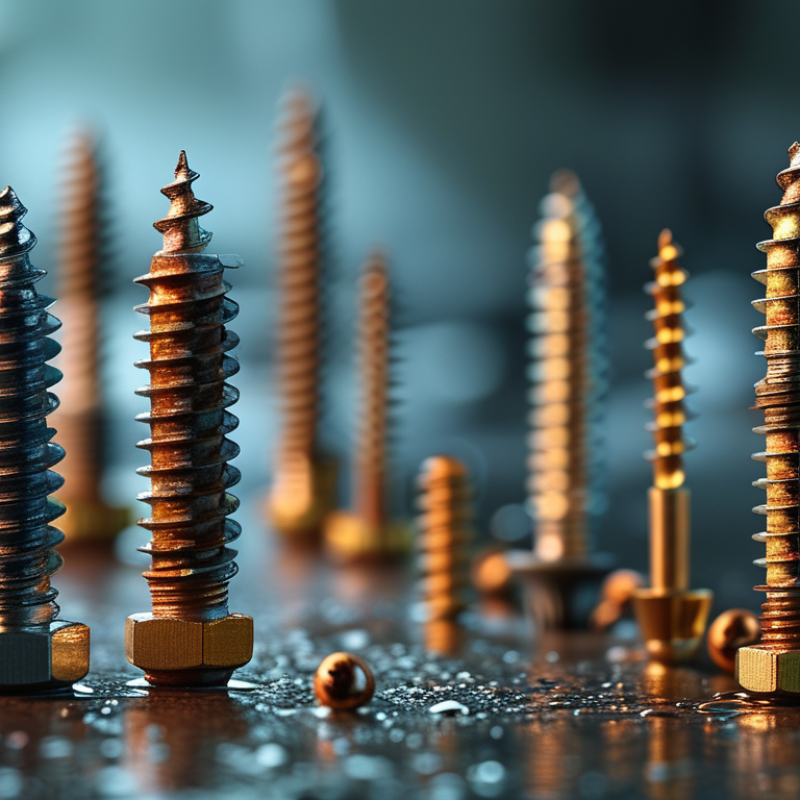
How to Choose the Best Waterproof Screws for Your Projects?

Understanding the Importance of Waterproof Screws in Construction

Waterproof screws play a critical role in construction and maintenance projects. Their ability to resist corrosion is essential. According to a study by the American Institute of Steel Construction, about 70% of structural failures are due to corrosion. This makes choosing the right waterproof screws not just important, but necessary for structural integrity.

Using waterproof screws can significantly extend the lifespan of materials. For instance, marine-grade stainless steel screws offer durability against harsh weather conditions. A 2021 industry report highlighted that structures using proper waterproof fasteners showed a 50% reduction in maintenance costs. It's clear that investing in these screws pays off in the long run.

However, not all projects require high-end waterproofing. Some may find themselves over-investing in materials that exceed their needs. Awareness of the project environment is crucial. Selecting screws should align with actual conditions, not just best-case scenarios. This reflection can lead to more efficient use of resources while ensuring reliability. Understanding the balance is key for any construction professional.

Types of Waterproof Screws: Materials and Coatings Explained

When selecting waterproof screws, understanding the materials and coatings is essential. Common options include stainless steel, coated steel, and plastic. Each material has distinct properties that determine its performance in wet environments. For instance, stainless steel, particularly grades 304 and 316, offers excellent corrosion resistance. Reports indicate that 316-grade stainless steel provides unparalleled performance in marine environments.

Coatings also play a significant role. Some screws are coated with epoxy or nylon, adding an extra layer of protection against moisture and corrosion. According to data from industry studies, coated screws can enhance durability by as much as 30% compared to uncoated variants. However, the quality of the coating can vary. Some low-cost options may not last as long in harsh conditions.

It's crucial to choose screws based on your project's specific environment. While stainless steel is strong, it may not be necessary for indoor use where humidity is controlled. Also, understand that not all coatings withstand UV exposure. Inadequate knowledge about these factors can lead to premature failure in your projects. Awareness of these details ensures your selection meets performance expectations.

Assessing the Environmental Conditions for Screw Selection

When selecting waterproof screws, understanding environmental conditions is crucial. Different environments can significantly affect screw performance. For instance, marine applications expose screws to saltwater. This environment is highly corrosive. Choosing the right materials and coatings is essential for longevity.

Consider the humidity levels in your project area. High moisture can lead to rust formation. Stainless steel screws may be suitable in humid conditions. They can withstand corrosion better than standard steel. However, not all stainless steels are equal. Some might perform poorly in certain environments. A careful assessment is necessary.

Evaluating temperature variations is also important. Extreme cold or heat can alter screw integrity. Expansion and contraction may compromise their hold. In coastal regions, salty air can be a silent enemy. Over time, screws may weaken. Frequent inspections can help catch these issues early. Reflecting on past projects, don’t overlook how conditions impact your choices. Adaptability in material selection can lead to better outcomes.

How to Choose the Best Waterproof Screws for Your Projects? - Assessing the Environmental Conditions for Screw Selection

Type of Environment Recommended Screw Material Corrosion Resistance Rating Typical Applications
Marine 316 Stainless Steel Excellent Boat and dock construction
Outdoor (High Humidity) Bronze Good Decking, fences
Indoor (High Moisture) 304 Stainless Steel Moderate Kitchens, bathrooms
Treated Wood Galvanized Steel Fair Outdoor furniture
Industrial Coated Steel Low Construction equipment

Key Factors to Consider When Choosing Waterproof Screws

When selecting waterproof screws for your projects, several key factors must be considered. Material choice is critical. Stainless steel, especially A4 or marine-grade, performs well in wet conditions. According to industry studies, stainless steel has a corrosion resistance rate of over 90% in saltwater environments. This makes it ideal for outdoor and marine applications.

Coating or plating is another essential aspect. Screws with specialized coatings, like ceramic or epoxy, offer enhanced protection against moisture. Reports indicate that coated screws can last up to five times longer than uncoated alternatives in humid environments. However, ensuring proper compatibility with your materials is vital; not all coatings perform well with every substrate.

Length and thread design are also instrumental in performance. Longer screws provide better grip in softer materials. Meanwhile, specific thread types can enhance load-bearing capacity. Research shows that screws designed with sharp threads reduce installation torque by up to 30%. Recognizing the specific requirements of your project helps in making informed decisions.

Comparison of Different Types of Waterproof Screws

Installation Tips for Maximizing the Longevity of Waterproof Screws

When installing waterproof screws, proper techniques can significantly enhance their lifespan. Start by drilling pilot holes. This reduces the risk of splitting the material. Ensure the diameter is suitable for the screw size. Misaligned holes can lead to unnecessary strain on the screws, compromising their integrity over time.

Check the environment where the screws will be used. High humidity or exposure to saltwater can affect screw performance. Consider using a sealant around the screw head to create an additional barrier against moisture. It’s not always perfect; some users may overlook this step, leading to premature corrosion.

Pay attention to the materials being joined. Different materials expand and contract at varying rates. Mismatched materials can create stress points, causing screws to loosen over time. Tightening screws too much can also cause damage. Regular maintenance checks will help catch issues early, ensuring your projects remain sturdy and effective.