
Skip to content

How to Choose the Best Solid Welding Wire for Your Project?

Choosing the right Solid Welding Wire for your project is crucial. According to industry expert John Smith, “The right wire can make or break a weld.” Solid Welding Wire is not just a material; it’s the backbone of successful welding.

When selecting Solid Welding Wire, consider your specific needs. Factors like welding position, base metal, and thickness matter greatly. For instance, using the wrong wire can lead to weak joints or defects. It's essential to align your wire choice with your project requirements.

Every welder has faced challenges. An incorrect wire choice can lead to frustration. Learning from mistakes is part of the process. Trust experience and expertise to guide you in this important decision. Remember, the right Solid Welding Wire directly impacts the final quality of your work.
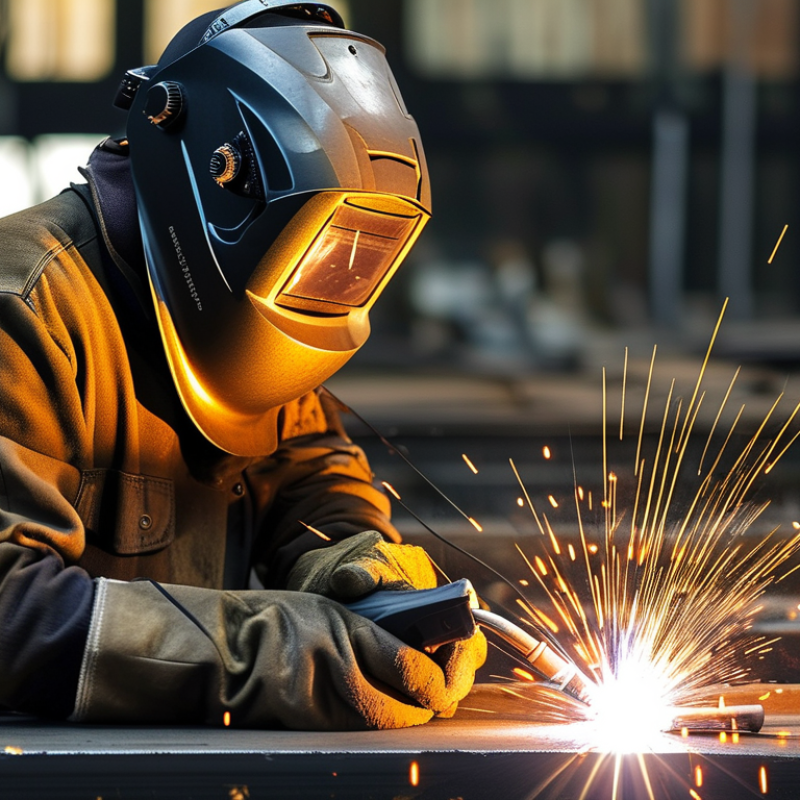
How to Choose the Best Solid Welding Wire for Your Project?

Understanding Different Types of Solid Welding Wires Available

When selecting solid welding wire, understanding the types available is crucial. Solid welding wires come in several formulations, each suited for specific applications. Common types include ER70S-6, which is popular for general fabrication. It's versatile and provides excellent weldability on various metals. The wire's composition affects the quality of the weld, so choose wisely based on your project needs.

Another option is ER70S-2, known for its deep penetration. This wire is ideal for thicker materials. However, it may produce more spatter during welding. For thin sheets, consider ER308L. This wire is specifically designed for stainless steel applications, providing a clean finish. Each type has its pros and cons, making it vital to evaluate your requirements.

Moreover, environmental factors can influence your choice. For outdoor projects, select wire with greater tolerance to wind and moisture. There's always a challenge in finding the right balance between ease of use and weld quality. Reflecting on your past experiences can help refine your decision-making process. Understanding these details can lead to better results in your welding endeavors.

Key Factors to Consider When Choosing Welding Wire

Choosing the right solid welding wire can significantly impact the quality of your project. First, consider the material. Different metals require specific welding wires. For instance, mild steel, stainless steel, and aluminum each have their own compatible wire types. Understanding the material compatibility will ensure a strong joint and reduce the risk of defects.

Next, think about the wire diameter. It affects heat input and penetration. A thicker wire can deposit more material, but it also requires more heat. If the wire is too thin, it may struggle to provide sufficient weld quality. Experimenting with different diameters can yield varying results. Sometimes, a trial-and-error approach is necessary to find the right fit.

Additionally, pay attention to the shielding gas used in conjunction with the wire. The gas composition influences the weld’s appearance and properties. Using the wrong gas can lead to porosity or contamination. Familiarizing yourself with these details may seem overwhelming. However, taking the time to understand these factors enhances your welding skills and project outcome.

Matching Welding Wire to Your Base Material and Application

Choosing the right welding wire for your project is crucial. It's essential to match the wire type with your base material. For instance, carbon steel requires a different wire than stainless steel or aluminum. According to the American Welding Society, using the wrong wire can lead to poor weld quality and even structural failure.

When working with stainless steel, a solid wire like ER308L is often recommended. This type provides excellent resistance to corrosion. Its low carbon content minimizes carbide precipitation, improving weld integrity. A study published by the Welding Journal indicates that mismatches in wire and base material can reduce tensile strength by 30% or more.

Consider your application as well. If you're welding in a high-production environment, a faster wire feeding rate is beneficial. Yet, a slower setting may allow for better control and quality in delicate projects. Think about these factors in relation to your skills. Many welders find it challenging to adjust. Balancing wire choice with skill level can lead to better outcomes.

Evaluating the Performance Characteristics of Welding Wires

When selecting solid welding wire for your project, the performance characteristics are critical. Key attributes include tensile strength, ductility, and impact resistance. According to industry reports, different alloys provide various benefits. For instance, ER70S-6 wires offer excellent tensile strength and can withstand harsh environments. Their enhanced deoxidizers improve bead appearance and reduce defects. However, it's essential to note that not all wires are suitable for every application.

With so many options available, it can be overwhelming. Here are a few tips to simplify your decision. Always consider the base material you'll be welding. Different wires perform better with specific metals. Evaluate the welding position as well; some wires are easier to use in difficult angles. Additionally, look into the wire diameter, as it influences heat input and bead width. Often overlooked, the shielding gas plays a vital role in the final outcome. For example, argon mixtures improve arc stability.

Remember, not every wire will yield perfect results right away. It's common to encounter issues, such as porosity and undercutting. Reflecting on these problems can help you refine your technique and material selection. Regular testing and adjustments based on project requirements will lead to better outcomes over time.

Performance Comparison of Solid Welding Wires

Safety and Compliance Standards for Welding Wire Selection

When selecting welding wire, safety and compliance standards are vital. Understanding the relevant regulations helps ensure your project meets legal and industry standards. Follow guidelines set by recognized bodies that govern welding practices. These standards often cover material composition, suitable applications, and safety precautions.

Moreover, choose wires that comply with recognized safety certifications. This minimizes risks during welding. For example, look for certifications that indicate the wire withstands specific temperatures and environmental conditions. This ensures your work can endure the rigors of its intended application.

It is important to reflect on your choices. Have you checked if the welding wire aligns with your project requirements? Sometimes, the cheapest option is not the best. Assessing your needs carefully can reveal that a more compliant wire might avoid future liabilities. Always consider the long-term impact of your materials on safety and performance.