
Skip to content

How to Choose the Right Liquefaction Plant for Your Needs?

Choosing the right Liquefaction Plant is vital for various industries. The global liquefaction market is expected to reach $102 billion by 2026, according to a recent report. This reflects a growing reliance on liquefaction technology.

Investors are interested in efficient plants that meet specific needs. However, many struggle to evaluate options. Factors like capacity, location, and technology are critical. The wrong choice can lead to increased costs and inefficiencies. Reports indicate that a suitable plant can improve productivity by at least 30%.

As industries evolve, so do the technologies behind liquefaction plants. Emerging technologies can significantly enhance performance. Yet, not every plant is ready for future demands. Careful evaluation is essential to ensure that the plant can adapt and grow with market needs. Select wisely.
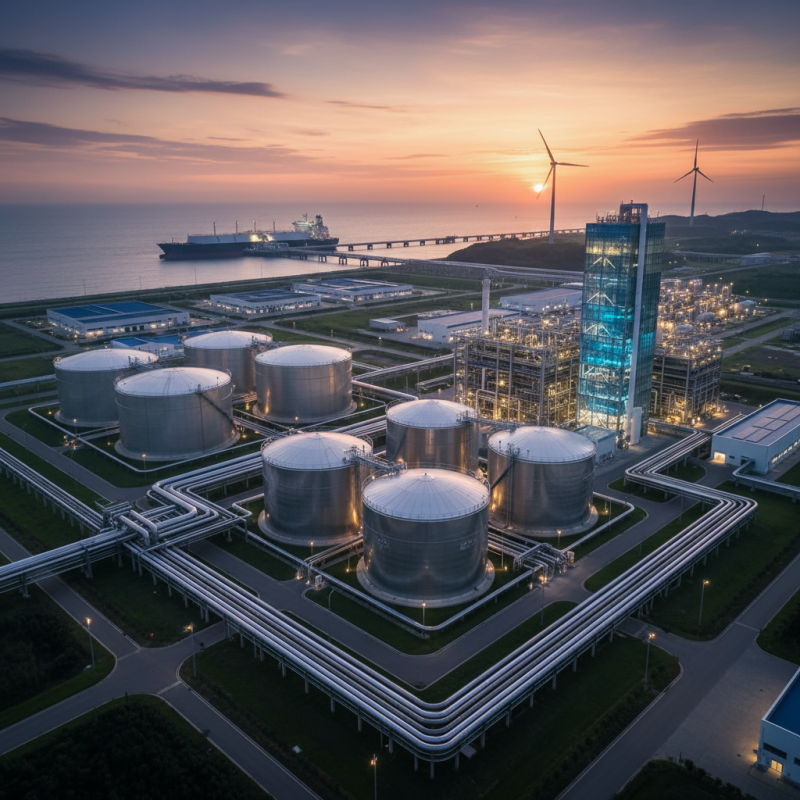
How to Choose the Right Liquefaction Plant for Your Needs?

Understanding the Different Types of Liquefaction Plants Available

When choosing a liquefaction plant, understanding the available types is crucial. Liquefaction plants can vary in size, capacity, and technology. For instance, some plants specialize in small-scale operations, ideal for remote locations. Others cater to large industrial needs, processing significant volumes of gas. It's important to assess your specific requirements, including production capacity and location.

Different technologies come into play as well. There are traditional plants that use well-established methods. Meanwhile, newer technologies, like membrane systems, offer improved efficiency and lower energy consumption. This creates a range of options. Each technology has its pros and cons; evaluating them is important. Will a traditional method suit your needs, or is innovation necessary for your project?

Moreover, operational costs should not be overlooked. Some plants may have higher initial costs but promise lower maintenance and operation expenses. This needs careful consideration. Remember, what works for one company may not fit yours. It's a learning process, requiring research and trial.

Assessing Your Capacity Requirements and Production Goals

When choosing the right liquefaction plant, understanding your capacity requirements is essential. Industry reports indicate that production capacity varies between 1,000 and 5,000 cubic meters per day. Assess your current needs and future growth. Design your plant to accommodate these projected trends without overcommitting resources now.

Tips: Keep flexibility in mind. A plant that adjusts output easily can save costs and reduce waste. Invest in scalable technology, which can fit different capacities without requiring a complete overhaul.

It’s common to underestimate the needed production goals. Accurate forecasting is crucial. Surveys show that 30% of liquefaction plants operate below full capacity. This underperformance can strain budgets and hinder efficiency. Regularly revisit your production metrics to ensure alignment with market demands and technological advancements.

Tips: Collaborate with experts. Regular consultations can provide valuable insights into market fluctuations and operational efficiency. They may highlight areas requiring improvement, which you might overlook.

Evaluating Location and Infrastructure Considerations

When choosing a liquefaction plant, location is crucial. A site near raw material sources reduces transportation costs. Consider access to utilities like water and electricity. Proximity to highways or ports facilitates easier logistics. These factors can significantly impact operational efficiency.

Infrastructure is another vital aspect. Evaluate local roads for heavy truck access. Poor road conditions may lead to delays. Also, check the availability of skilled labor in the area. Insufficient workforce can hinder production efforts. Assess nearby support facilities, like maintenance services. A lack of local infrastructure can create bottlenecks.

Before finalizing a decision, weigh environmental factors. Flood zones and seismic activity can pose risks. Analyze zoning regulations that may restrict operations. Unexpected legal issues could arise from improper planning. Every detail matters in the long run. Take time to reflect on your needs for sustainable growth.

How to Choose the Right Liquefaction Plant for Your Needs?

Criteria Considerations Importance (1-5) Notes
Location Proximity to raw materials and markets 5 Essential for reducing transportation costs
Infrastructure Available utilities (water, electricity) 4 Supports efficient operation of the plant
Regulatory Environment Compliance with local laws and regulations 3 Important for sustainable operation
Environmental Impact Assessment of emissions and waste 4 Critical for getting permits and public approval
Logistical Support Availability of transport networks 5 Facilitates easy distribution of products

Analyzing Cost Factors and Budget Constraints

When choosing a liquefaction plant, budget constraints play a crucial role. According to industry reports, initial costs can range between $1 million to $10 million, heavily influenced by capacity and technology. Understanding these costs is vital for decision-making. Ongoing operational expenses, typically 40% of the total budget, also require attention.

Tips: Analyze your current and future needs. Are you expanding operations? Consider scalability in your chosen technology. This could save money long-term.

Cost factors like maintenance and power consumption should not be overlooked. Reports indicate that maintenance can consume up to 15% of a plant's budget annually. Power costs can vary widely, so it's wise to evaluate energy sources and their stability.

Tips: Factor in local energy prices. Some regions may offer incentives; others may not. Choose wisely; these costs will impact your bottom line.

Ultimately, you must reflect on all factors. Things might be unclear at first glance. It’s crucial to revisit your choices as more data and experience are gained. The goal should be an efficient, cost-effective solution.

Researching Manufacturers and Supplier Reputation

Choosing the right liquefaction plant requires careful research. One of the most critical factors is manufacturer and supplier reputation. This reputation can reveal much about the reliability and quality of their equipment. Many companies advertise extensively, but it’s vital to dig deeper. Check customer reviews and case studies to get a better insight.

Don’t overlook industry forums and expert discussions. They often highlight experiences that are not found in official promotions. Ask questions and seek recommendations from peers. Some suppliers may appear trustworthy but have hidden issues. It’s essential to look for red flags, such as frequent complaints or unresolved problems.

Consider visiting operating plants or factories if possible. Observing the equipment in use can provide invaluable information. Speak directly with the operators for firsthand insights. This can reveal potential challenges. Remember, ongoing support and spare parts availability are equally important. Choosing a reputable supplier can significantly impact your project’s success.