
Skip to content

Why Choose a Diesel Loader for Your Heavy Equipment Needs?

In the competitive world of construction and heavy equipment, choosing the right machinery is crucial. Diesel Loaders have gained traction due to their power and efficiency. According to a report from EquipmentWatch, diesel-powered loaders can deliver up to 25% higher torque compared to their gasoline counterparts. This performance translates into increased productivity on job sites.

Industry expert John Thompson, a leading figure in heavy machinery, states, "The Diesel Loader remains the backbone of heavy equipment due to its unmatched reliability." This statement resonates with many operators who rely on these machines for demanding tasks.

However, it's essential to recognize that selecting a Diesel Loader involves careful consideration of fuel efficiency and operational costs. While these machines excel in performance, they can also lead to higher maintenance expenses over time. Thus, reflecting on your choices is vital for long-term success.
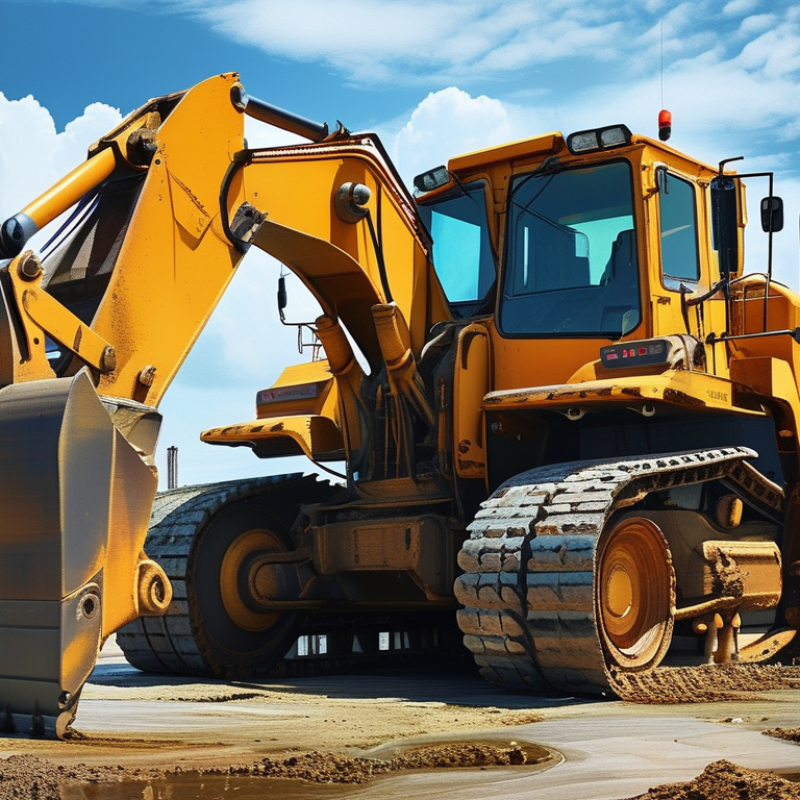
Why Choose a Diesel Loader for Your Heavy Equipment Needs?

Benefits of Diesel Loaders Over Other Equipment Types

When considering heavy equipment, diesel loaders stand out for their power and efficiency. These machines are designed for tough tasks. They excel in lifting and moving heavy materials on job sites. Diesel engines provide high torque and can handle heavy loads without straining. This reliability ensures smooth operations, especially in demanding environments.

Cost savings also play a role in choosing diesel loaders. Diesel fuel tends to be more economical compared to gasoline. Diesel engines are known for their longevity as well. Regular maintenance can extend their lifespan significantly. However, they require proper care and attention to detail to function optimally. Neglecting maintenance can lead to costly repairs and downtime, which is something to reflect on.

Another key point is fuel efficiency. Diesel loaders typically consume less fuel for the same amount of work done. This translates to lower operational costs over time. However, they may also come with higher initial costs. Understanding these factors is crucial for making informed decisions about your equipment needs. Balancing performance and cost-effectiveness is essential for successful project management.

Benefits of Diesel Loaders Over Other Equipment Types

Understanding Diesel Engines and Their Efficiency in Heavy Equipment

When considering heavy equipment, diesel loaders stand out for their efficiency. Diesel engines are designed for durability and power. They often provide greater torque, making them ideal for tough jobs. This translates to better performance, especially in rugged environments like construction sites.

Tips: Regular maintenance is key. Check your engine oil levels frequently. Ensure filters are clean for optimal performance.

Efficiency is another critical aspect. Diesel engines consume less fuel compared to gasoline engines. This can lead to significant savings over time. Lower fuel costs are always appealing for businesses. However, be mindful of emissions. Selecting engines that meet current environmental standards is essential.

Tips: Monitor your fuel consumption. Small changes in habits can lead to better savings.

While diesel loaders have many benefits, they come with challenges too. Noise levels can be higher than other equipment. Operators may need to wear noise-canceling gear for comfort. Additionally, initial costs may be higher. Evaluating total lifecycle costs can provide better insights.

Key Features to Look for in a Diesel Loader

When considering a diesel loader for heavy equipment needs, certain key features should not be overlooked. One major aspect is engine efficiency. Diesel engines can provide 20-30% better fuel efficiency than gasoline counterparts. This is vital for minimizing operational costs in large-scale projects. Additionally, understand that the loader's operational weight can affect its stability. A well-balanced loader improves performance, especially on uneven terrain.

Tip: Always check the machine's lift capacity and bucket size. These aspects can significantly affect the loader's versatility on job sites. For example, a loader with a capacity of over 3,000 lbs opens up more work opportunities.

Another critical feature is hydraulic system performance. A superior hydraulic system enhances lifting speed and control, making operations smoother. Reports indicate that optimal hydraulic efficiency can boost productivity by 15% in demanding conditions.

Tip: Evaluate the serviceability of the loader. Easy access to essential parts can reduce downtime and maintenance costs. Consider loaders with simple designs for quicker repairs—the impact on your project schedule could be significant.

Investing in the right diesel loader becomes crucial for efficient operations. Choose wisely to improve your project outcomes.

Applications of Diesel Loaders in Various Industries

Diesel loaders play a vital role across various industries, thanks to their robust performance and reliability. In construction, for example, diesel loaders excel in moving heavy materials like sand, gravel, and debris. Their powerful engines provide the torque needed for demanding tasks. Similarly, in agriculture, these loaders help in transporting feed, equipment, and other bulky items efficiently. They adapt to different terrains, making them essential in any farming operation.

In mining, diesel loaders manage the challenging environments with ease. They can navigate rough terrains and handle heavy loads. This flexibility makes them invaluable in extracting materials from the earth. Moreover, in recycling industries, diesel loaders assist in sorting and moving materials swiftly, enhancing productivity and workflow.

Tips: Always assess the specific needs of your application before selecting a diesel loader. Consider factors like load capacity and terrain type to ensure optimal performance. Regular maintenance is key to longevity. Schedule routine checks and replace worn parts promptly. Ignoring these details can lead to costly downtimes. Investing in a loader that matches your requirements pays off significantly in the long run.

Cost Considerations: Investing in Diesel Loaders for Long-Term Use

Investing in diesel loaders can be a smart choice for serious projects. These machines offer durability and reliability, which is essential for heavy equipment needs. Diesel loaders operate efficiently, providing better fuel economy than their gasoline counterparts. This efficiency translates into lower operational costs over time. Calculating the fuel savings can sometimes shift initial budget concerns.

Maintenance costs also merit consideration. Diesel engines generally require fewer repairs, leading to extended lifespans. However, routine upkeep is a must. Operators should be prepared for scheduled maintenance. Delaying can lead to costly repairs down the road. This ongoing attention ensures that the loader continues to perform at top efficiency.

Another factor to think about is resale value. Diesel loaders tend to hold their value better than other machinery types. This aspect makes them a viable long-term investment. Yet, market fluctuations can affect resale prices. It’s wise to stay informed about trends in heavy equipment. Understanding these nuances will help owners make educated decisions.

Article Source: