
Skip to content

How to Choose the Best Oil Sorbent Pads for Your Needs?

Choosing the right Oil Sorbent Pads can seem daunting. With numerous options available, understanding your specific needs is crucial. Mark Thompson, an industry expert from EcoSorb Solutions, emphasizes that "the right sorbent can make all the difference in oil spill response."

Oil sorbent pads come in various materials and sizes. They are designed to absorb oils while repelling water. Selecting the best pads depends on factors like the type of oil, spill size, and environmental conditions. For example, polypropylene pads are ideal for fast absorption, while melamine pads work well for larger spills.

Even seasoned professionals sometimes grapple with choosing the right product. It’s common to overlook specific requirements, which can lead to ineffective cleaning. Reflecting on these choices is vital, as the consequences of improper selection can be significant. Understanding oil sorbent pads is not just about the product; it's about improving safety and efficiency in spill management.
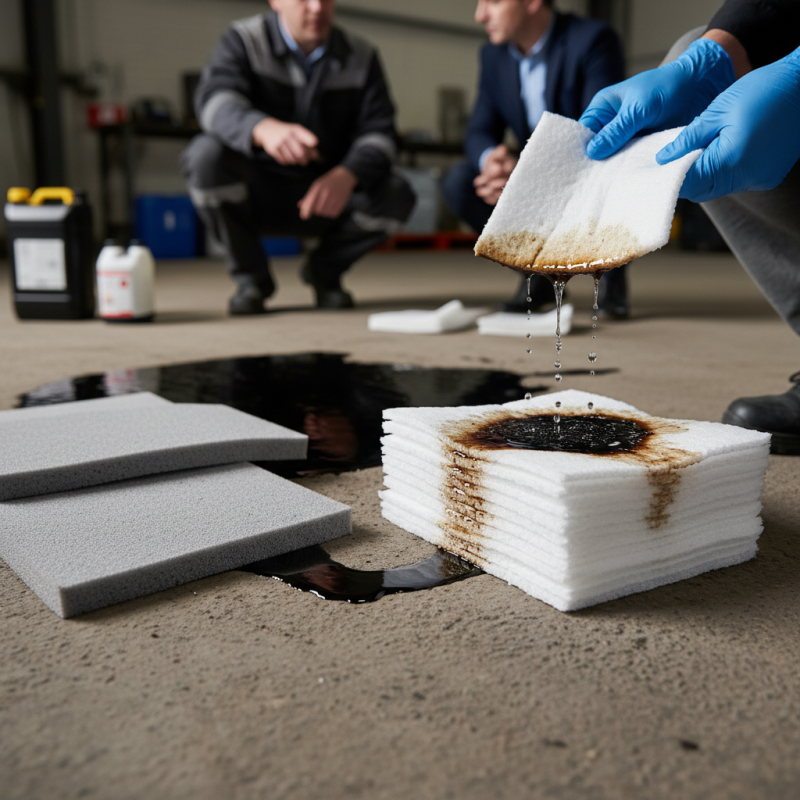
How to Choose the Best Oil Sorbent Pads for Your Needs?

Understanding Oil Sorbent Pads: Types and Materials

Oil sorbent pads are essential tools for managing spills. They come in various types and materials, each suited for specific applications. Understanding these differences helps you select the best option for your needs.

There are primarily two types of oil sorbent pads: polypropylene pads and natural fiber pads. Polypropylene pads are known for their durability and high absorbency. They are often used in industrial settings where large spills might occur. Natural fiber pads, made from renewable materials, offer a more eco-friendly choice. Their absorbency can vary, and they may not be as effective in extreme conditions. Consider the environment where the pads will be used and whether biodegradability is a priority.

Another important consideration is the material of the pads. Some pads are designed specifically for oil only, while others can absorb both oil and water. Choosing wisely ensures that you address the spill effectively without wasting resources. Reviewing specific use-case scenarios can guide your choice. Reflecting on the limitations of each type is crucial. Not every pad works for every situation. Balancing performance with environmental impact is key.

Oil Sorbent Pads: Types and Absorption Capacity Comparison

Assessing Absorbency Levels: What to Look For in Pads

When selecting oil sorbent pads, absorbency levels are crucial. Reliable pads should clearly indicate their absorbency capacity. Many pads absorb various liquids differently. Look for the material composition. Some materials wick better than others. Understanding these factors can help narrow your choices.

Consider the thickness of the pads. Thicker pads generally hold more liquid. However, they may also be bulkier. This can impact storage and handling in tight spaces. Assess the type of oil you need to absorb. Different oils require different absorbent characteristics.

Testing absorbency in real-world scenarios is essential. You may find that some pads perform exceptionally well in lab tests but fail in practical applications. Reflection on your past experiences can guide future choices. When uncertain, seek advice from industry professionals. Their insights can enhance your understanding of what to look for in oil sorbent pads.

Evaluating Pad Sizes and Thickness for Your Specific Needs

Choosing the right oil sorbent pad involves careful consideration of sizes and thickness. The specific needs of your environment dictate what will work best. For smaller spills, thin pads might be sufficient. They can easily absorb and contain minor leaks. However, a thicker pad is essential for larger spills or in high-risk areas.

When evaluating pad sizes, think about the area you are working in. A larger pad covers more ground and absorbs more oil. But, it can be cumbersome to handle. Conversely, smaller pads are easier to manage but may lead to higher usage costs over time. It’s important to match the pad’s size to your typical spill scenarios.

Thickness plays a vital role too. A thicker pad can absorb oil more effectively, but it might take longer to fully saturate. Consider the type of oil you are dealing with. Some oils are less viscous and might require a different approach. Evaluating these factors will ensure you select the most appropriate pads for your specific tasks. It might involve some trial and error, as each scenario presents unique challenges.

Identifying Suitable Applications: Indoor vs. Outdoor Use

When considering the right oil sorbent pads, understanding their application is key. Indoor and outdoor environments present unique challenges. Indoor spaces require sorbents that conform to safety and efficiency standards. For example, in a factory setting, spills can lead to hazards. Studies suggest that custom sorbent solutions can absorb up to 25 times their weight in liquid. Selecting the correct pad can drastically reduce workplace accidents.

Outdoor applications often differ. Weather and exposure play significant roles. Sorbent materials must withstand elements like rain and wind. A 2021 report from the Environmental Protection Agency indicated that outdoor spills account for around 60% of environmental damage. Choosing pads with UV-resistant features is crucial here. They prolong the life of the sorbent, ensuring effective cleanup.

Not every pad will excel in both scenarios. Forcing a single solution can waste resources and time. Some users have reported ineffective cleanup due to mismatched materials. Evaluating the specific needs of each environment ensures optimal performance and cost-effectiveness. It requires experimenting with sorbent types to find the ideal fit for diverse applications.

Cost Considerations: Budgeting for Quality Oil Sorbent Pads

When budgeting for oil sorbent pads, cost is a significant factor. High-quality pads can range in price. It may be tempting to choose the cheapest option, but this often leads to poorer performance. Consider the long-term implications of selecting lower-quality products. They may require more frequent replacements, ultimately costing you more.

Evaluate your specific needs before purchasing. Different applications demand various absorption rates and durability levels. Assess the type and volume of spills you are likely to face. This will help you determine the number of pads and the type you require. Quality should not be sacrificed for a lower price, especially when safety and efficiency are at stake.

It's wise to balance cost with **reliability**. Test samples when possible. Small investments in quality pads pay off in the long run. You’ll find that effective sorbents save time and reduce stress during incidents. It's crucial to think about how these choices impact your operations. An informed decision will lead to better outcomes.