
Skip to content

Why Choose a Glue Laminating Machine for Your Business Needs?

Choosing the right equipment can significantly impact your business's efficiency. A Glue Laminating Machine emerges as a versatile tool in the printing and packaging industry. It allows for seamless lamination, enhancing durability and aesthetics of printed materials.

Investing in a Glue Laminating Machine may seem daunting. However, the benefits often outweigh the initial costs. This machine not only streamlines production but also improves the quality of the final product. By offering a protective layer, it helps preserve colors and prevent damage.

While some users may find the learning curve challenging, the effort pays off as proficiency grows. This equipment offers a range of applications, from book covers to packaging. Understanding its potential can lead to better decision-making. Embracing this technology can give businesses a competitive edge.
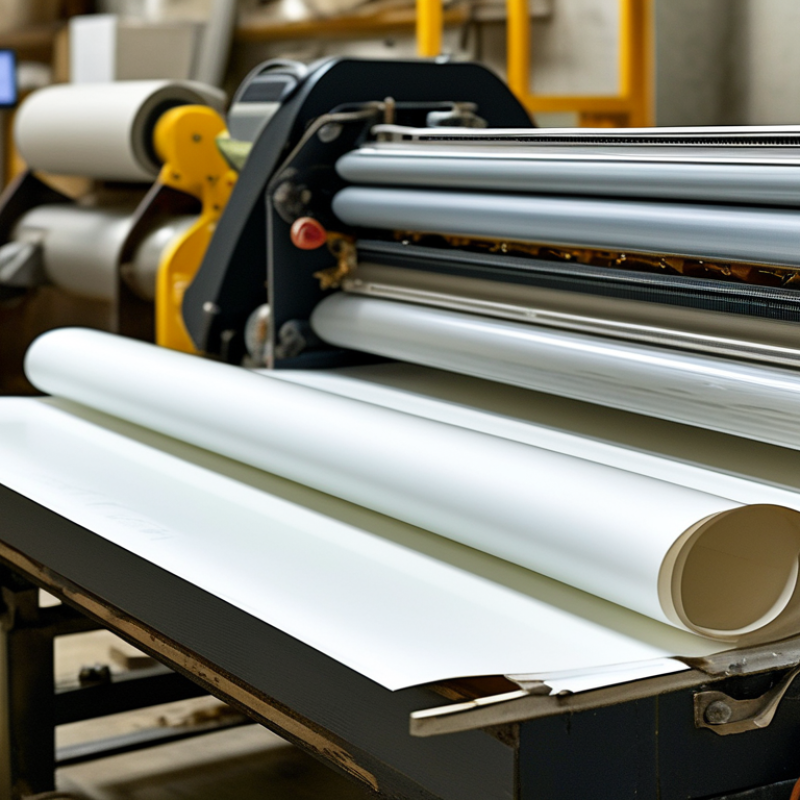
Why Choose a Glue Laminating Machine for Your Business Needs?

Importance of Efficient Adhesive Application in Modern Manufacturing

In modern manufacturing, the efficient application of adhesives is vital. A glue laminating machine enhances this process significantly. It ensures uniform coverage of adhesive on materials, which is crucial for creating strong bonds. Consistency in adhesive application minimizes errors and reduces waste. Manufacturers need reliable machinery to maintain high production standards.

Tips for selecting a glue laminating machine include evaluating speed and precision. Faster machines may increase output, but accuracy must not be sacrificed. Consider machines that offer adjustable settings for different materials. Not all adhesives work well on every surface, so flexibility is key. Also, think about maintenance requirements. Machines that are easy to clean and service can save time and cost in the long run.

Incorporating efficient adhesive application leads to better product quality. Yet, even with advanced machines, challenges might arise. For instance, environmental factors like temperature and humidity can affect adhesion. Manufacturers should regularly test their production settings to ensure optimal results. Reflecting on current practices can reveal areas for improvement.

Key Benefits of Using a Glue Laminating Machine in Production

Choosing a glue laminating machine can significantly enhance production efficiency. One of the key benefits is improved quality. Laminating with glue provides a strong bond that resists delamination, ensuring that your products maintain their integrity. This type of lamination also offers a smooth finish, which can elevate the presentation of printed materials or packaging.

Another benefit is versatility. Glue laminating machines can accommodate various materials, from paper to thicker substrates, allowing businesses to adapt quickly to different projects. This adaptability can be crucial in dynamic industries. It permits quicker turnaround times without sacrificing quality.

Tip: Regular maintenance of your laminating machine can prevent costly downtimes. Keep the glue applicator clean to ensure consistent performance.

However, it’s essential to consider the learning curve involved. Staff may require training to operate the machinery effectively. Investing in training can save time and resources in the long run. Also, understanding the environmental impact of the adhesives used is vital. Selecting eco-friendly glues can help reduce waste and improve sustainability.

Tip: Monitor glue usage closely to optimize costs. Smaller batch production may reduce excess material.

Factors to Consider When Choosing a Glue Laminating Machine

Choosing the right glue laminating machine is essential for your business. Start with capacity. Determine the volume of work you expect. A machine that can handle higher volumes may save time and labor costs. Don't overlook the type of materials you will laminate. Different machines serve different needs—consider paper, plastic, or specialized substrates.

Next, assess the machine's ease of use. Complexity can lead to operator errors. If your staff finds a machine difficult, it could impact productivity. Maintenance is another factor to consider. Regular upkeep can prevent unexpected downtime. Understand that while some machines are durable, they may require specific skills for repair.

Finally, consider the technology. Automated features can enhance efficiency but may come with a steep learning curve. Budget constraints also play a vital role in decision-making. It’s always a challenge to balance cost and quality. Reflect on your specific needs: a higher upfront cost may lead to greater long-term savings.

Comparative Analysis of Glue Laminating and Other Lamination Methods

When considering lamination methods, glue laminating stands out for its versatility. Unlike thermal or pressure-sensitive laminating, glue laminating uses an adhesive process that results in a strong, durable finish. This is especially beneficial for items like packaging or point-of-sale displays, where quality is non-negotiable. The glue bonds seamlessly with various materials, reducing the risk of peeling or bubbling over time.

Efficiency is another key factor. Glue laminating machines can handle larger volumes, making them suitable for businesses with high production demands. However, operators must be adept at balancing speed with quality. A rushed job can lead to uneven layers or excess glue, which may detract from the product's finish. While glue laminating can be messier than other methods, the end results often justify the process.

It's essential to consider the environmental impact of the adhesives used. Some glues can emit strong odors or contain harmful substances. Choosing eco-friendly options can mitigate these concerns, but it may not always be straightforward. As businesses evolve, integrating sustainable practices into lamination processes can become more complex. Each method has its strengths, and careful consideration is key to making the right choice.

Maintenance and Care for Optimal Performance of Glue Laminating Machines

Maintaining a glue laminating machine is crucial for ensuring its optimal performance. Regular maintenance can significantly enhance the lifespan of the equipment. A good starting point is daily inspections. Make it a routine to check for any visible wear or damage. Clear any adhesive buildup immediately to prevent clogging.

Tips: Always keep the machine clean. A clean workspace promotes efficiency. Use a mild detergent and soft cloth for cleaning exposed surfaces. Avoid abrasive materials that can scratch or damage finishes.

Additionally, schedule periodic professional servicing. Even with meticulous care, certain components might wear down over time. Replacing worn parts before they fail can save you from costly repairs. Monitor the adhesive application pressure as well; not enough pressure can lead to weak bonds.

Tips: Document your maintenance schedule. Keeping records helps track performance issues. Recording when you last replaced parts can guide timely replacements down the line.

Lastly, ensure that operators are trained in proper use. Misuse can lead to mistakes that cause machine stress. Even with the best machines, improper handling can lead to performance decline. Take the time to communicate best practices effectively among staff.

Performance Metrics of Glue Laminating Machines