In today's rapidly evolving environment, HVAC systems play a crucial role in maintaining comfort in homes and businesses. Leading HVAC information expert, Dr. Linda Tan, emphasizes, “Reliable HVAC systems are not just luxuries; they are essentials for well-being.” This highlights the importance of understanding HVAC information for both residential and commercial applications.
Understanding HVAC systems requires basic knowledge of their components and functions. Efficient heating, ventilation, and air conditioning can lead to energy savings and improved air quality. A reliable HVAC system ensures that spaces remain comfortable, and knowing the options available is vital for effective decision-making.
Yet, HVAC information can be overwhelming. Many consumers struggle to navigate the technical jargon and endless choices. Misunderstandings can lead to poor installation or maintenance practices. As systems grow complex, staying informed is essential. Investing time in understanding HVAC information can ultimately result in a healthier living or working environment.
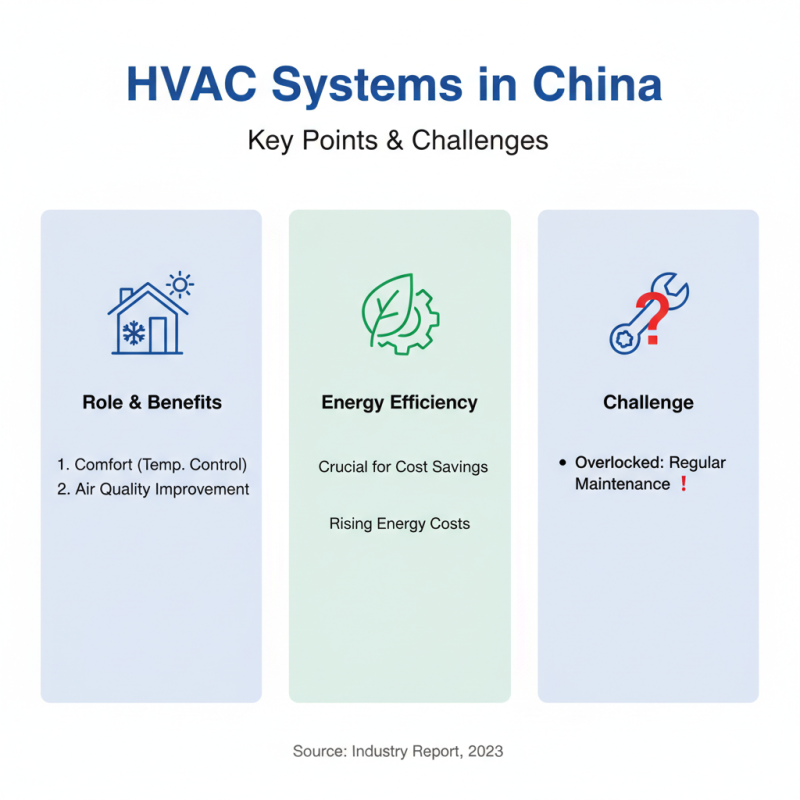
In China, HVAC systems play a crucial role in both homes and businesses. These systems maintain comfortable indoor temperatures and improve air quality. An effective HVAC setup ensures energy efficiency, especially in the face of rising energy costs. However, many Chinese consumers still overlook the importance of regular maintenance.
Different HVAC systems are available, including split units, centralized air conditioning, and heat pumps. Each system has pros and cons. For instance, split units offer flexibility but may require more space for installation. Centralized systems serve large areas efficiently but can lead to higher upfront costs. Understanding these fundamentals fosters informed decision-making.
There is a challenge in selecting the right system. Consumers often struggle with making the best choice based on their specific needs. Complexities in operation can result in poor energy management. The lack of professional guidance can also hinder the effective use of these systems. Recognizing these difficulties is essential for improvement in HVAC practices across the country.
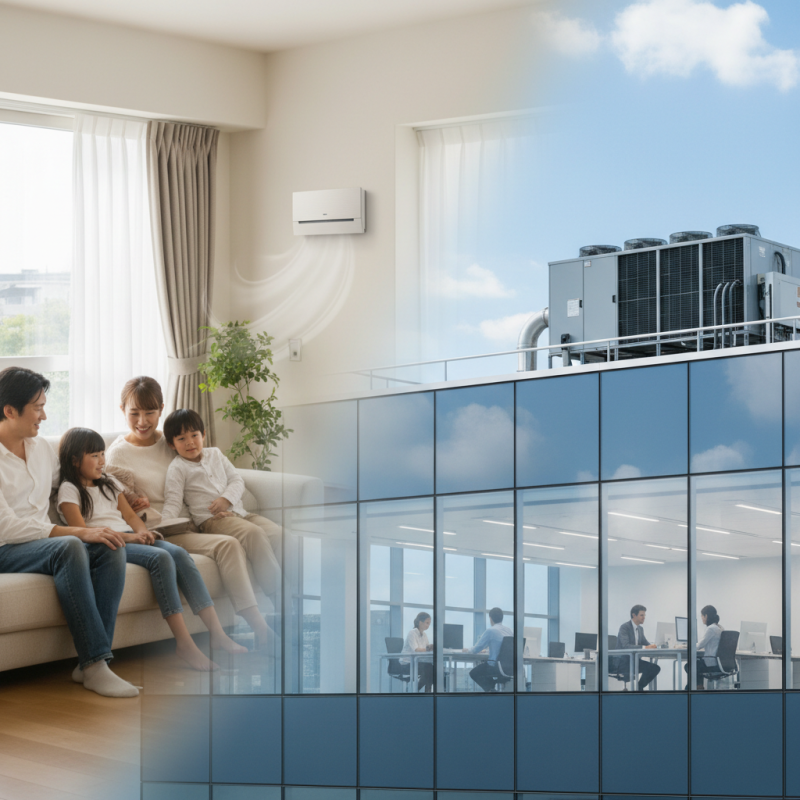
When considering HVAC systems, understanding the types available is crucial for both residential and commercial use. For homes, split systems dominate the market. According to industry data, 60% of households in urban areas rely on these systems. They provide efficient heating and cooling through separate indoor and outdoor units. This design allows for better temperature control and quieter operation. However, installation can become complex, requiring careful planning and consideration.
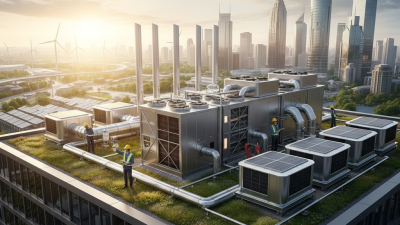
In commercial settings, rooftop units (RTUs) are prevalent. A report from the American Society of Heating, Refrigerating and Air Conditioning Engineers (ASHRAE) indicates that 40% of commercial buildings use RTUs. They offer a space-saving solution and simplify maintenance. However, their reliance on outdoor air can pose challenges in extreme weather conditions. Both systems come with pros and cons, emphasizing the need for tailored solutions.
Ventilation also plays a key role. Proper air exchange is essential for indoor air quality. A study showed that 80% of buildings with inadequate ventilation face occupancy complaints. Understanding each system's features and limitations is vital. Homeowners and business operators need to assess their unique requirements thoroughly to ensure optimal comfort and efficiency.
Key components and technologies play a crucial role in HVAC systems. Understanding these can help homeowners and businesses make informed choices. Air conditioning units, heat pumps, and furnaces are vital for maintaining comfortable indoor climates. These systems regulate temperature and humidity, ensuring a pleasant atmosphere.
Ductwork is another essential element. Properly designed and insulated ducts minimize energy loss. Inadequate duct systems can lead to uneven heating or cooling. Additionally, thermostats have evolved significantly. Smart thermostats allow for remote access and energy-saving features. These technologies enhance comfort while reducing costs.
Some HVAC systems may not perform efficiently due to poor installation or maintenance. Regular checks can prevent unexpected breakdowns. It's important to be aware of the necessity for routine servicing. Investing in quality components initially can save money long-term. However, the initial cost may deter some. Balancing costs with energy savings requires careful thought.
Energy efficiency is a critical aspect of HVAC systems in China. Regulations aim to reduce energy consumption and lower carbon emissions. The government has set strict standards for energy efficiency ratings. These ratings determine how effective a unit is in converting energy into heating or cooling. Higher ratings usually mean lower operating costs for homeowners and businesses.
Recent developments include new guidelines for manufacturers. These guidelines push for innovative technologies to improve system efficiency. However, there are gaps in compliance across different regions. Some older units still operate below the current standards. This inconsistency raises concerns about overall energy savings.
The impact of these regulations is significant. They encourage users to rethink their HVAC choices. It’s essential to stay informed about updates in regulations. A lack of awareness can lead to energy waste and higher bills. Overall, adapting to these changes can foster a more sustainable future while enhancing personal comfort.
When it comes to HVAC systems, regular maintenance is essential. A well-maintained system operates more efficiently, saving you money on energy bills. Check filters monthly and replace them if they are dirty. Dirty filters restrict airflow, making the system work harder. It's a simple task, yet many neglect this step.
Another crucial aspect is troubleshooting issues as they arise. Unusual noises or fluctuating temperatures may signal a problem. Don't ignore these signs. Inspect the thermostat settings and ensure the system is powered on. If problems persist, calling a professional technician might be necessary. They can properly diagnose and repair any underlying issues.
Knowing the basics can prevent costly repairs. Being proactive is key. Even with regular checks, problems can still occur. Keeping a record of service dates helps track maintenance needs. This practice can lead to a more reliable HVAC system. Embracing these habits can greatly enhance your HVAC performance.