
Skip to content

Why is Bottom Roller Essential for Your Supply Chain Success?

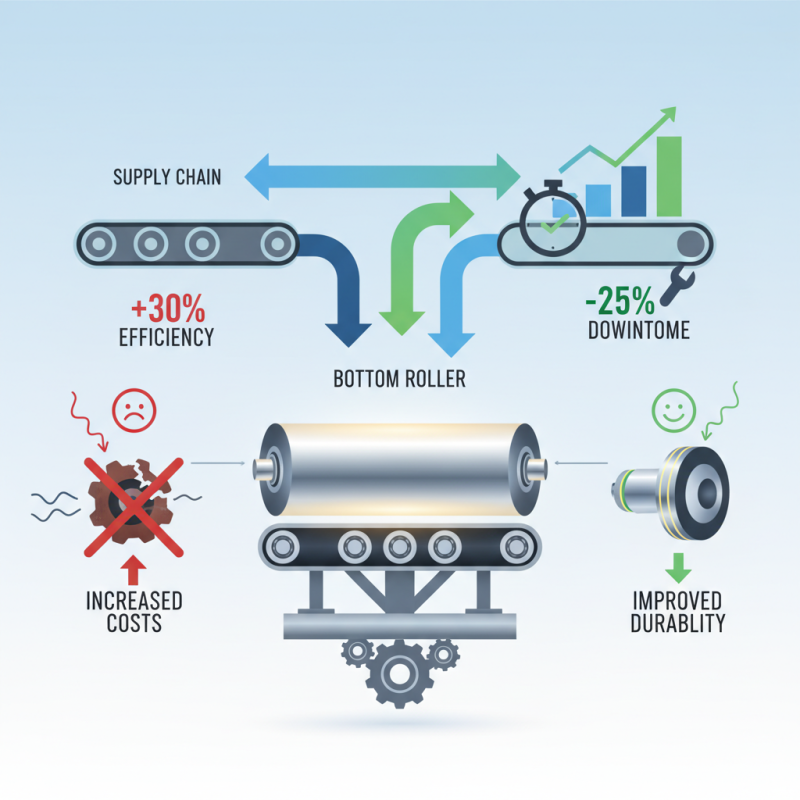
In today’s competitive supply chain environment, the significance of the Bottom Roller cannot be overstated. According to a recent report by Supply Chain Insights, effective material handling can enhance operational efficiency by 30%. This is where the Bottom Roller plays a pivotal role. Its ability to facilitate smoother movement of goods directly impacts the overall productivity of supply chains.

Industry experts, such as Dr. Emily Carter, emphasize, “The Bottom Roller is the backbone of modern logistics.” The integration of quality Bottom Rollers can lead to reduced wear and tear on equipment, improving durability. In fact, a study by Logistics Management found that companies utilizing advanced rolling technology experience a 25% decrease in equipment downtime.

However, not all Bottom Rollers are created equal. Companies must invest in high-quality components to reap the benefits. An oversight in choosing the right roller can lead to increased costs and operational inefficiencies. Incorporating advanced materials and designs is essential, yet, some businesses still rely on outdated systems, which hampers their supply chain effectiveness.
Why is Bottom Roller Essential for Your Supply Chain Success?

The Role of Bottom Rollers in Supply Chain Operations

Bottom rollers play a critical role in supply chain operations. They are essential components in conveyor systems, which transport goods efficiently across various stages. These rollers minimize friction and support the weight of products, ensuring smooth movement. By integrating bottom rollers, organizations can significantly reduce the risk of product damage.

Effective supply chain management relies on efficiency. When bottom rollers fail, it disrupts the entire workflow. The repercussions extend beyond delays, affecting customer satisfaction. Maintenance of these rollers is often overlooked. Regular checks can prevent unexpected breakdowns, saving time and costs in the long run.

Training staff in proper handling of equipment can mitigate risks. Additionally, understanding the wear patterns of bottom rollers is essential for replacement. Organizations must invest in their knowledge. Unforeseen issues can crop up, reflecting the need for continuous improvement in operations. Adapting to these challenges illustrates a commitment to reliability in the supply chain.

Why is Bottom Roller Essential for Your Supply Chain Success? - The Role of Bottom Rollers in Supply Chain Operations

Dimension Description Impact on Supply Chain Recommendations
Roller Material Material used to manufacture bottom rollers Affects durability and operational efficiency Use high-quality materials like polyurethane for longevity
Maintenance Frequency How often the bottom rollers need servicing Directly influences downtime and maintenance costs Implement regular maintenance schedules to avoid disruptions
Load Capacity Maximum weight that bottom rollers can handle Determines overall system efficiency and safety Select rollers that exceed operational load requirements
Environmental Resistance Resistance to external factors like moisture and temperature Ensures reliable operation in various environments Choose rollers designed for harsh operating conditions
Installation Ease Simplicity of installing bottom rollers Affects speed of deployment and setup time Prefabricated designs can simplify the installation process

Key Benefits of Utilizing Bottom Rollers in Logistics

Utilizing bottom rollers in logistics can significantly enhance supply chain efficiency. These specialized components support the smooth movement of materials. In fact, a report by the Material Handling Industry of America suggests that implementing efficient roller systems can improve operation speeds by as much as 30%. This increase can lead to reduced shipping times and ultimately better customer satisfaction.

Moreover, bottom rollers help in the reduction of wear and tear on packages. A study showed that using rollers can decrease package damage rates by up to 15%. This is essential for maintaining product integrity and reducing costs associated with returns. However, it’s vital to monitor the condition of rollers regularly. Neglect can lead to efficiency losses and increased friction, negating the benefits.

Investing in quality bottom rollers can be a game-changer. Some logistics companies still overlook this aspect. It invites the question: are they maximizing their potential? Evaluating current practices can be a path towards innovation. Keeping an eye on trends in roller technologies is also important. This can ensure that logistics chains remain competitive and responsive to market demands.

Impact of Bottom Rollers on Material Handling Efficiency

When it comes to material handling efficiency, bottom rollers play a vital role. These components assist in the smooth movement of heavy loads in automated systems. Their design helps minimize friction and wear, thereby extending the life of both the rollers and the conveyance systems they serve. A good bottom roller can significantly reduce energy costs by allowing more seamless operations.

Moreover, bottom rollers contribute to stability during transport. The right bottom roller can prevent slipping and jamming, which can lead to unexpected downtime. However, not all bottom rollers are created equal. Choosing the wrong type can affect performance and efficiency. This often results in higher maintenance costs and operational delays.

Despite their importance, many might overlook bottom rollers in their supply chain assessments. This could reflect a gap in understanding their potential impact. Adopting a proactive approach to monitor and evaluate the performance of bottom rollers can provide significant benefits. A well-chosen roller not only enhances material handling but also supports overall supply chain effectiveness.

Choosing the Right Bottom Roller for Your Supply Chain Needs

Choosing the right bottom roller is crucial for optimizing your supply chain. These rollers play a significant role in various applications, including conveyor systems. Selecting an effective roller can enhance efficiency and reliability.

Consider the material of the roller. Different materials offer varying degrees of durability and resistance to wear. A roller made from robust materials can withstand heavy loads and harsh conditions. However, it could be costlier. Weighing durability against budget is essential.

Also, analyze the roller's dimensions. A perfect fit ensures smooth operations. If the roller is too large or too small, it may lead to breakdowns. Regular maintenance checks are vital too. They not only prolong roller life but also prevent unexpected failures. Reflect on these factors when making your choice.

Maintenance Practices for Enhancing Bottom Roller Performance

Bottom rollers play a crucial role in the efficiency of supply chains. Regular maintenance practices can significantly improve their performance. Daily inspections help identify wear and tear early. Checking for misalignment ensures the rollers operate smoothly. This simple step can prevent costly downtime.

Lubrication is another vital maintenance practice. Proper lubrication reduces friction, extending the roller’s lifespan. Using high-quality lubricants tailored for industrial environments can enhance this effect. Operators should also keep an eye on the rollers for signs of damage, like cracks or rust. Ignoring these issues can lead to bigger problems later.

Training staff on best practices is essential. Knowledgeable teams can better handle maintenance tasks, ensuring consistent performance. However, not everyone may pay attention to details or follow procedures correctly. Building a culture of accountability will help mitigate this risk. Ultimately, a proactive approach to bottom roller maintenance supports overall supply chain success.