Upgrading your HVAC system is more crucial than ever, especially as energy efficiency becomes a pressing concern for homeowners and businesses alike. Experts in the field, such as renowned HVAC consultant John Smith, emphasize the importance of this transition. He states, “Investing in an upgraded HVAC system not only enhances comfort but also significantly reduces energy costs in the long run.” With rising energy prices and the growing need for sustainable living, now is the time to explore the best ways to upgrade your HVAC system for maximum efficiency.
The journey to an efficient HVAC system begins with understanding the latest technologies and innovations in climate control. As systems become more sophisticated, homeowners can take advantage of programmable thermostats, improved insulation, and advanced air filtration methods, among several other upgrades. Each of these upgrades contributes to a more energy-efficient environment, reducing the overall carbon footprint while ensuring optimal indoor comfort. By implementing these strategies, you can not only enjoy a more pleasant living space but also make a meaningful impact on your utility bills and the environment.
In this guide, we will outline the ten best ways to upgrade your HVAC system, providing you with practical tips and insights from industry professionals. With the right upgrades, achieving maximum efficiency is not just a goal but a reality within reach.
Choosing the right HVAC system size for your space is critical for achieving maximum efficiency and comfort. An undersized system struggles to maintain desired temperatures, resulting in heightened energy costs and wear on equipment, while an oversized system can lead to short cycling, increased humidity, and poor air quality. According to the U.S. Department of Energy, improper sizing can reduce system efficiency by up to 30%, emphasizing the importance of accurate load calculations.
To ensure optimal sizing, it is essential to perform a thorough assessment of your living space, accounting for factors such as square footage, ceiling height, insulation quality, and local climate. The Manual J calculation, developed by the Air Conditioning Contractors of America (ACCA), provides a comprehensive method to determine the exact heating and cooling requirements of a home. This data-driven approach assures that HVAC systems are not only sized correctly but also tailored to specific environmental conditions, enabling homeowners to reduce energy consumption by as much as 20% over time, according to the Environmental Protection Agency’s Energy Star program. By prioritizing accurate sizing, homeowners can maximize the efficiency of their HVAC systems while maintaining a comfortable indoor atmosphere.
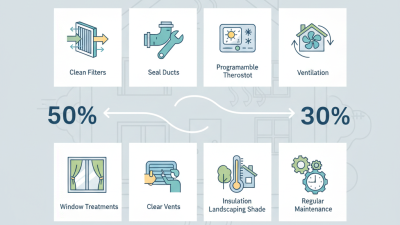
Upgrading to programmable thermostats is one of the most effective strategies to enhance HVAC efficiency. These advanced devices allow users to set specific heating and cooling schedules that align with their daily routines, significantly reducing energy costs. By automatically adjusting temperatures during non-peak hours or when the home is unoccupied, programmable thermostats ensure that energy is not wasted, ultimately translating into lower utility bills.
Statistics reveal that households can save an average of 10% to 15% on their heating and cooling costs by utilizing programmable thermostats effectively. Moreover, the user-friendly nature of these devices – often featuring smartphone compatibility and intuitive interfaces – encourages greater engagement in energy-saving behaviors. Many users report feeling a sense of control over their energy consumption, leading to more conscientious use of HVAC systems. As a result, not only does this contribute to individual savings, but it also plays a vital role in reducing overall energy demand, promoting a more sustainable environment.
Regular maintenance is crucial for enhancing the efficiency and lifespan of your HVAC system. Without routine checks, systems can accumulate dust and debris, leading to blocked filters and coils that hinder airflow. This inefficiency not only increases energy consumption but also puts unnecessary strain on the components, potentially leading to costly breakdowns and repairs. By scheduling regular maintenance, homeowners can ensure that their HVAC systems operate at peak efficiency, ultimately saving on energy bills and extending the overall lifespan of the unit.
In addition to improving efficiency, regular maintenance allows technicians to spot early signs of wear or potential issues. During routine inspections, professionals can clean components, lubricate moving parts, and recalibrate system settings. These proactive measures help mitigate larger problems that might arise from neglect, such as compressor failure or refrigerant leaks. Therefore, investing time and resources in regular HVAC maintenance serves as an effective strategy for maximizing performance while minimizing both repair costs and energy expenses over time.
When considering upgrades to your HVAC system, incorporating high-efficiency filters is one of the most impactful choices you can make. These filters not only improve air quality by trapping allergens, dust, and pollutants, but they also enhance the overall efficiency of your system. By allowing your HVAC unit to run more smoothly, high-efficiency filters can reduce energy consumption, leading to lower utility bills.
Tip: When selecting filters, look for those with a high Minimum Efficiency Reporting Value (MERV) rating. This rating provides a gauge of a filter's effectiveness in capturing particles of varying sizes. Higher MERV ratings typically mean better performance, but be sure to balance efficiency with your system's capabilities to avoid restricting airflow.
Regular maintenance of your HVAC system is equally crucial. Even the best filters can’t perform optimally if the system itself isn’t well-maintained. Schedule routine inspections and cleanings to ensure everything is running efficiently.
Tip: Consider changing your filters every 1-3 months, depending on usage and local air quality. This habit keeps your system operating at peak performance and prolongs its lifespan, ensuring the investment you make in high-efficiency filters pays off in the long run.
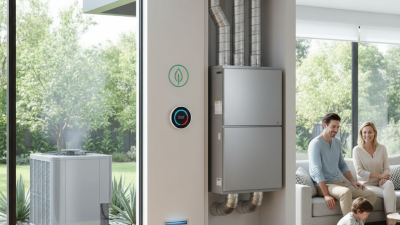
Investing in smart HVAC technology has become essential for enhancing energy efficiency in residential and commercial buildings. According to a report by the U.S. Department of Energy, smart thermostats alone can reduce heating and cooling costs by up to 10-15%, which translates into significant savings over time. These devices leverage real-time data and machine learning algorithms to optimize temperature settings based on occupancy patterns and external weather conditions, ensuring that energy is not wasted when spaces are unoccupied.
Moreover, the integration of IoT (Internet of Things) technology into HVAC systems allows for comprehensive data collection and monitoring. A study published by the International Energy Agency indicates that smart HVAC systems can improve energy efficiency by 30% compared to traditional systems. This improvement is largely due to predictive maintenance capabilities that alert building managers to potential issues before they escalate, further reducing downtime and repair costs. As energy efficiency regulations tighten, investing in smart HVAC technology not only helps in compliance but also increases the overall operational efficiency of a building, making it a smart choice for property owners looking to enhance their sustainability profile while cutting operational expenses.