
The demand for high-quality prints has led to the rise of UV Flatbed Printers in various industries. Experts like John Smith, a recognized leader in print technology, emphasize the importance of precision. He once remarked, "A UV flatbed printer can transform ideas into tangible designs with unparalleled clarity."
Investing in a top-tier UV Flatbed Printer is crucial for businesses that prioritize quality. Many products in this realm excel in vibrant color reproduction and durability. Companies must navigate numerous options while considering factors like resolution and versatility.
However, not all printers meet high standards. Some may fall short in consistency or color accuracy. It's essential to weigh these aspects carefully. A thoughtful choice can elevate a brand's image through stunning prints. The right UV Flatbed Printer is an investment in quality and creative potential.
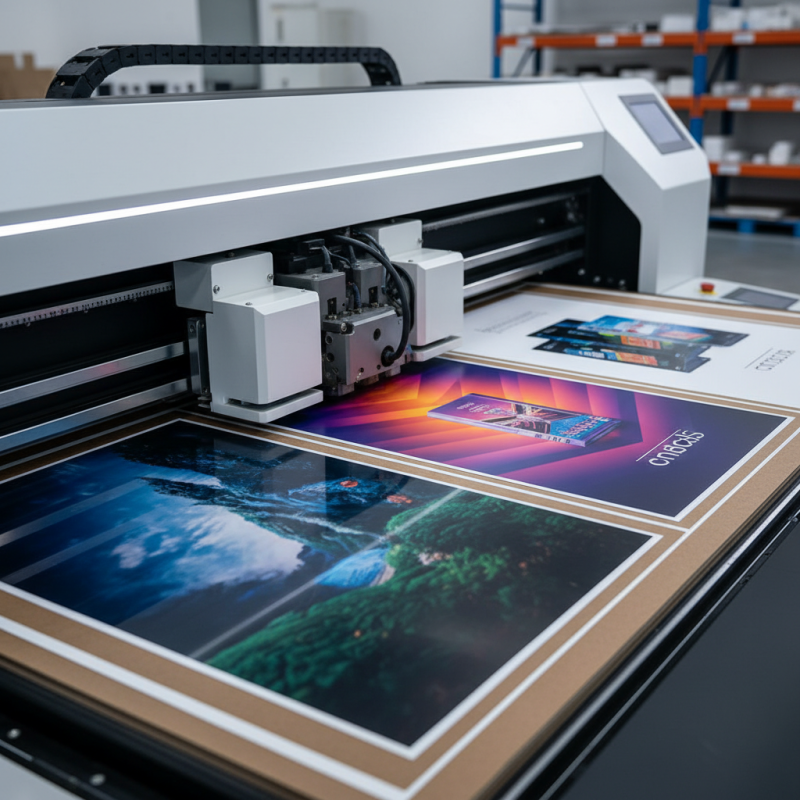
Choosing the right UV flatbed printer involves several critical factors. Print quality is paramount. Look for a printer that delivers vibrant colors and sharp details. The resolution is measured in DPI, which significantly impacts the final output. Higher DPI typically means better quality. However, balance this with production speed to meet your business demands.
Next, consider the size of the printer. Make sure it fits your workspace while accommodating the materials you plan to print on. Some printers can handle thicker or larger materials, which expands your capabilities. Maintenance is another key factor. A reliable printer should be easy to maintain and service without excessive downtime.
Lastly, think about the cost of ownership. This includes initial investment and ongoing costs like ink and parts. Sometimes, a cheaper printer may lead to higher costs in the long run. Reflect on your needs, and weigh the trade-offs involved in each option you consider.
When seeking the best UV flatbed printers, several top brands stand out for their reputation in high-quality prints. Industry reports indicate that the UV printing market is projected to surpass $4.7 billion by 2025, illustrating the significance of reliable printers. Brands recognized for excellence often focus on color accuracy and durability, key factors for industries like signage and packaging.
It's worth noting that while many manufacturers promise high-resolution images, variations in print quality can occur. Regular maintenance is critical to ensure optimal performance. Users should consider their specific needs. For instance, the total cost of ownership (TCO) includes not only the initial investment but also operational expenses.
Tip: Always compare the specifications carefully. Look for printers with a proven track record of reliability. You may face unexpected challenges when dealing with non-branded or lesser-known models. Test prints can reveal inconsistencies in quality before making a significant investment. Assess the support and warranty options from the manufacturers, as these can be invaluable in the long run.
When selecting a UV flatbed printer, several key features significantly impact print quality. One of the most crucial aspects is the resolution. High-quality printers often offer resolutions of 1200 dpi or more. According to a recent industry study, printers with higher resolutions yield sharper images and finer details. This is particularly important for applications requiring precision, like signage and packaging.
Another essential feature is the UV curing technology. UV printers use special inks that harden instantly when exposed to UV light, allowing for vibrant colors and excellent adhesion on various substrates. A report from the International Imaging Industry Association found that UV printing can produce three times the amount of color saturation compared to standard inkjet methods. However, the choice of UV ink can also affect durability. Some inks may present challenges in outdoor applications due to their susceptibility to fading.
Moreover, the size of the print head plays a vital role in determining the consistency of ink distribution. A wider print head can enhance efficiency but might lead to inconsistent prints if not calibrated correctly. Recent findings show that maintenance of the print head contributes significantly to overall print quality. Costs related to regular maintenance can be a concern for some businesses. Thus, understanding the balance between quality and operational challenges is essential for making informed decisions in the flatbed printer market.
When evaluating UV flatbed printers, cost and performance are crucial factors. Finding the right balance can be challenging. Many printers promise high-quality output but often come with hidden costs. It’s essential to consider not only the initial purchase price but also ongoing maintenance and material expenses.
The performance of UV flatbed printers varies significantly. Some models excel in speed and resolution, delivering sharp and vibrant images. However, they may sacrifice versatility. Others may handle a wide range of materials, but their print quality might not meet professional standards. The key is to assess your specific needs. Are you focused on speed, or do you prioritize quality?
It's worth noting that user experiences can vary as well. Many users have reported frustrations with calibration issues and printhead cleaning. These aspects can impact production time and overall printing costs. Researching user reviews and case studies can provide valuable insights into real-world performance and reliability. Making an informed decision requires careful consideration of all these factors.
When choosing a UV flatbed printer, understanding user experiences is crucial. According to a recent industry report, over 70% of users report that print quality is their top priority. Case studies reveal that certain printers excel at producing vivid colors and sharp details, especially on diverse materials like wood and metal. However, some users experienced inconsistency with ink adhesion. This can lead to peeling or fading prints, raising concerns about durability.
User reviews often highlight the balance between speed and quality. A survey found that 58% of users prioritize faster print speeds, even if it compromises quality slightly. Reports indicate that adjustments in settings can mitigate quality issues. Yet, many users still encounter challenges when calibrating their devices. It appears that firsthand experience with different media types is invaluable. Understanding these nuances can enhance print outcomes and user satisfaction significantly.