
The textile industry relies heavily on efficient machinery. Sourcing the right components is crucial for production. spare parts for textile machinery play a vital role in maintaining operations and productivity. Without quality parts, machines can face downtime and reduced output.
As we look ahead to 2026, understanding which spare parts to prioritize is imperative. Not all components are created equal. Knowledge of market trends and performance can guide sourcing decisions. Quality over quantity should always be the focus. Each part must enhance machine performance and durability.
Considering supplier reliability is essential. Researching vendors and reviewing their offerings ensures informed choices. Challenges in sourcing may arise. Failing to choose the right parts can lead to costly errors. The right selection of spare parts can significantly improve production efficiency and reduce long-term costs.
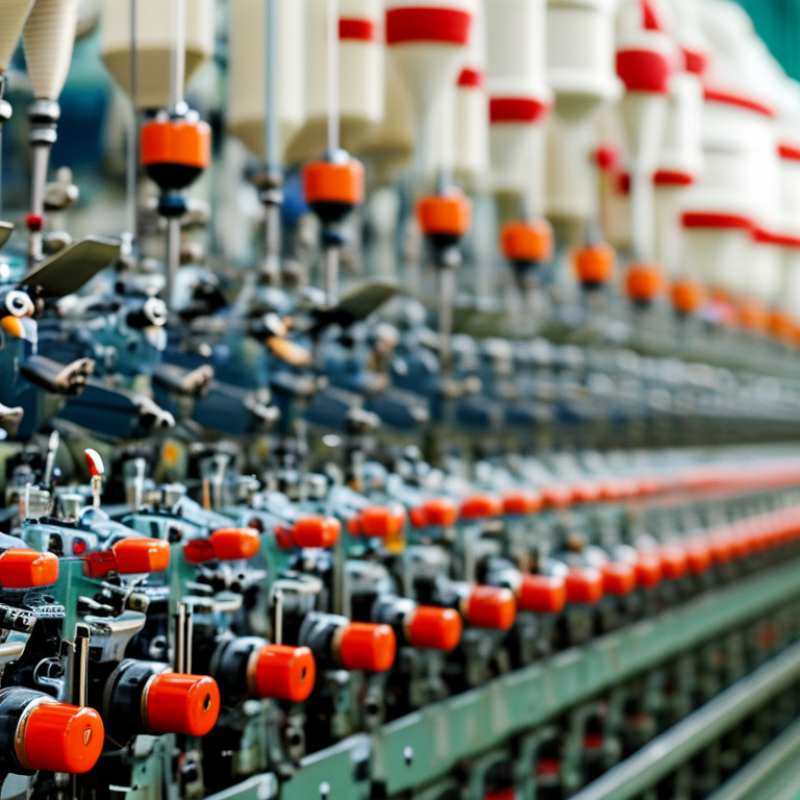
In the textile machinery sector, sourcing the right spare parts is vital for smooth operations. Essential components include bearings, drive belts, and energy-efficient motors. Bearings enhance machine longevity. Drive belts ensure consistent performance, while motors boost productivity. Paying attention to these parts can minimize downtime.
Tips for sourcing spare parts: Always choose parts that meet the original specifications. Compatibility with your machinery is crucial. Consider suppliers with a reliable track record. This helps avoid discrepancies in quality. Regular assessments of your machinery can also prevent unexpected breakdowns.
When sourcing, prioritize quality over cost. Cheaper parts may lead to more significant issues down the line. Reflect on past experiences where low-quality parts caused delays. Building relationships with reputable suppliers can lead to better availability. This is often overlooked but essential for maintaining efficiency.
When sourcing spare parts for textile machinery, choosing trustworthy manufacturers is crucial. Reliable components can enhance production efficiency and reduce downtime. Various suppliers specialize in textile machinery, and it’s essential to know who to consider.
One key tip is to research manufacturers thoroughly. Look for companies with a strong reputation and years of experience in the industry. Their expertise can make a significant difference in quality. Ensure they follow strict quality control standards. Testing and certifications are vital signs of reliability.
Another important aspect is to evaluate their range of products. A good manufacturer should offer a comprehensive selection of spare parts. This ensures that you can find everything you need in one place. Ask for references or case studies to assess their performance.
Don't forget to check their customer service. Quick response times and knowledgeable staff are indicators of a company's commitment to its clients. Reliable support can make the repair process smoother. Aim to develop long-term partnerships with companies you trust to drive your business forward.
When sourcing spare parts for textile machinery, several critical factors come into play. Quality remains paramount. High-quality components can dramatically affect machinery performance. Reports indicate that poor quality parts can increase downtime by up to 25%. This impact is significant in the textile industry, where efficiency is key.
Cost is another vital aspect to assess. While it might be tempting to opt for the cheapest alternatives, this strategy can lead to higher long-term costs. In a recent industry analysis, it was shown that businesses spend an average of 15% more on repairs due to inadequate spare parts. Choosing economical options without compromising quality is essential.
Supplier reliability cannot be overlooked. A dependable supplier ensures a steady workflow. Studies reveal that companies with robust supply chain partnerships report 20% lower maintenance costs. Additionally, having local suppliers can reduce lead times, maintaining productivity levels. Ultimately, while finding the right spare parts is crucial, reflections on past sourcing choices can guide better decisions in the future.
Innovative technologies are reshaping the landscape of textile machinery spare parts. Advanced materials are being increasingly utilized, enhancing durability and performance. Some components now feature improved resistance to wear and tear. These innovations lead to longer lifespans for crucial machinery parts.
Automation is another critical factor impacting spare parts sourcing. With the rise of smart factories, machinery is becoming more complex. The demand for sophisticated components is on the rise. As a result, traditional parts may not meet the new standards. This shift necessitates continuous learning and adapting to technological advancements in the textile industry.
A challenge arises from the fast-paced evolution of technology. Many manufacturers struggle to keep up. Older machinery may require custom parts that are hard to find. Moreover, digital transformation means that sourcing parts now involves more online platforms and data analysis. Companies must navigate these changes wisely to maintain efficiency and reliability.
In the textile industry, sourcing spare parts can be challenging. It's essential to focus on reliability and quality. Always consider the long-term costs associated with purchasing parts. Low-quality parts might save money initially but can lead to greater expenses over time. Investing in durable options can optimize machine performance and reduce downtime.
Researching suppliers is crucial. Look for reputable sources that offer comprehensive support. Engaging with reliable vendors can lead to better insights into the parts you need. Attending industry trade shows can also provide valuable connections. This interaction helps you assess various options before making a decision.
Additionally, implementing a regular maintenance schedule is vital. Delaying replacements until issues arise can be costly. An effective maintenance routine ensures smoother operations and prolongs equipment life. Be proactive and anticipate parts wear. It helps to keep track of the machine's performance history, noting any recurring issues. This data can guide you in making informed purchasing decisions.
| Spare Part Type | Common Uses | Estimated Cost (USD) | Supplier Availability | Lead Time (Days) |
|---|---|---|---|---|
| Weaving Loom Belts | Used in various weaving machines | 150 | Widely available | 4 |
| Spinning Frames Spindles | Essential for spinning operations | 200 | Available from multiple suppliers | 5 |
| Knitting Machine Needles | Critical for knitting processes | 50 | Plentiful stock | 2 |
| Dyeing Machine Pumps | For dyeing and chemical processing | 300 | Moderate availability | 7 |
| Textile Machinery Bearings | Used across various machines | 100 | Easily sourced | 3 |