
In the quest for efficient energy solutions, understanding Solar Panel Connectors is crucial. Experts acknowledge their role in ensuring optimal energy transfer in solar systems. John Anderson, a leading specialist in renewable energy technologies, once stated, "The choice of connectors can make or break your solar energy system’s performance."
Solar panel connectors are the unseen heroes in solar energy systems. They link solar panels to inverters and batteries, helping manage energy flow. Quality connectors enhance overall efficiency and reliability. However, not all connectors are created equal. Some may fall short in terms of durability or compatibility. This inconsistency can lead to wastage of precious energy, prompting contemplation about industry standards.
Investing time to select the right solar panel connectors can significantly impact energy output and system longevity. Consumers often overlook this factor, yet it plays a vital role in energy solutions. By prioritizing quality and compatibility, you ensure that your solar installation performs optimally and sustainably. Energy efficiency starts at the connectors.
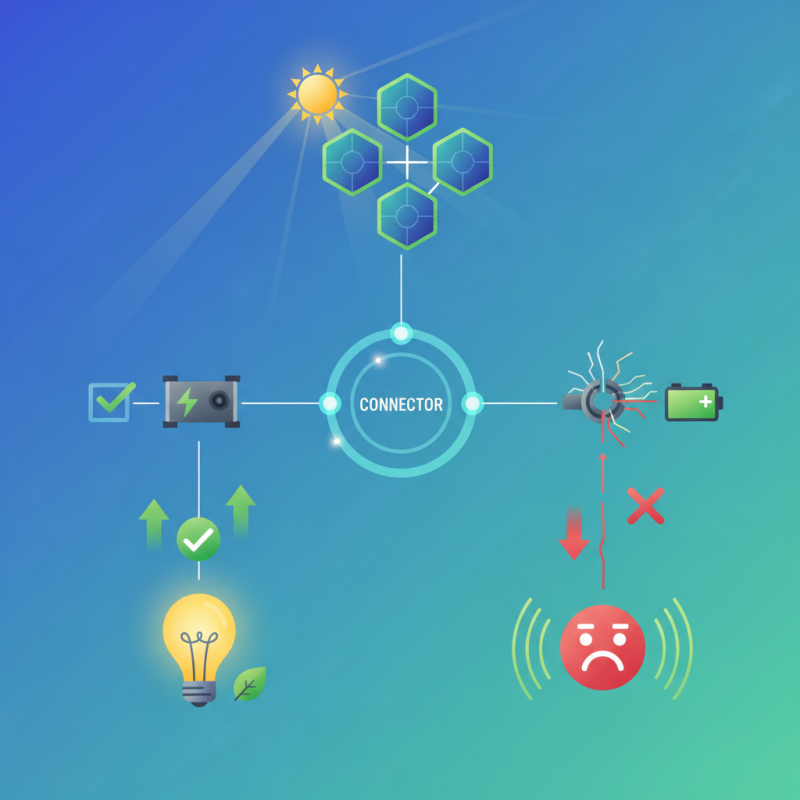
Solar panel connectors play a crucial role in the efficiency and reliability of solar energy systems. These connectors serve as the junction points between the solar panels and the inverter. A well-designed connector ensures optimal energy transfer, which can significantly improve the overall performance of solar installations. According to a report by the National Renewable Energy Laboratory (NREL), improper connections can lead to 5-10% energy losses in solar systems.
The reliability of connectors is paramount. Poor quality or inadequate connectors can result in system failures. A study from the Solar Energy Industries Association (SEIA) noted that approximately 30% of maintenance issues in solar setups are directly related to faulty connectors. This points to the importance of choosing high-quality connectors that are designed for long-term use. In environments exposed to harsh weather conditions, connectors must withstand UV radiation, moisture, and extreme temperatures.
Moreover, not all connectors are created equal. Understanding the specifications and best practices for installation is essential. Resources indicate that improperly rated connectors can significantly increase the risk of fire and reduce system efficiency. The importance of proper installation cannot be overstated; it's where mistakes can result in costly repairs and downtime. As the solar industry continues to grow, focusing on the small yet impactful components like connectors can drive significant advancements in energy efficiency.
When considering solar panel connectors, it's essential to understand the various types available. MC4 connectors are the most common in the solar industry. They offer high durability and efficient energy transfer. According to a report by the Solar Energy Industries Association, nearly 70% of solar installations utilize MC4 connectors. Their design ensures a reliable connection, reducing energy loss.
In addition to MC4, Tyco connectors are another option. These connectors are designed for specific applications and can withstand harsher environmental conditions. They provide flexibility in installations. However, they may not be as widely used as MC4 connectors. A study indicated that installations using Tyco connectors reported a 10% increase in overall system efficiency under certain conditions.
Tip: Always choose connectors rated for your specific application. Compatibility is critical for optimal performance. Regularly inspect connections for wear or damage to prevent energy inefficiencies. Remember, selecting the right connector can significantly impact your solar system's overall success.
When selecting solar panel connectors, it’s essential to focus on durability, compatibility, and ease of installation. Durability ensures your connectors resist extreme weather conditions, which is critical for long-term performance. Consider materials like high-quality polymers that withstand UV exposure. Connectors should also be waterproof to prevent any disruption in energy flow.
Compatibility is key. Not all connectors fit every system. Ensure your connectors match the specifications of your solar panels and inverters. This can prevent issues during setup and maintenance.
Tips: Always check the connector ratings. A good rating ensures safety and performance. Look for connectors that offer a simple locking mechanism, making installation user-friendly.
Take time to examine the technical details. Sometimes, connectors can be complex, which leads to mistakes. Avoid rushing through the selection process. Examine user reviews for insights on long-term reliability. Connecting the right components ensures optimal performance.
| Connector Type | Current Rating (Amps) | Voltage Rating (Volts) | Temperature Rating (°C) | Material | Weather Resistance |
|---|---|---|---|---|---|
| MC4 | 30 | 1000 | -40 to 90 | TPU | IP67 |
| XT60 | 60 | 60 | -20 to 80 | Nylon | IP65 |
| Anderson | 45 | 50 | -40 to 85 | Polycarbonate | IP67 |
| Screw Type | 20 | 1000 | -60 to 100 | Brass | IP68 |
Connecting solar panels effectively is crucial for maximizing energy production. A reliable connector ensures that minimal energy loss occurs during transmission. According to a report by the National Renewable Energy Laboratory (NREL), poor connections can reduce energy efficiency by up to 5%. It's vital to choose connectors designed for outdoor conditions, as UV exposure and moisture can cause deterioration over time.
When connecting solar panels, ensure the connectors fit tightly. Loose connections can result in overheating and even system failure. Take the time to check polarity; incorrect connections may damage the panels or reduce output. Use tools designed for electrical applications to help achieve a secure fit. Properly sized and rated connectors prevent future issues.
**Tip:** Regularly inspect connections for signs of wear or corrosion. Cleaning connectors with isopropyl alcohol can enhance their effectiveness. **Tip:** Always adhere to the manufacturer's specifications for cable lengths and connector types. Following these guidelines fosters a longer lifespan for your solar energy setup.
Maintaining your solar panel connectors is crucial for long-lasting and efficient energy solutions. Regular checks ensure that your system operates at peak performance. Inspect connectors for any signs of damage or corrosion. Small issues can lead to larger problems if left unaddressed.
One simple tip is to clean connectors periodically. Dust and debris can hinder electrical connections. Use a soft cloth to remove any buildup. Additionally, ensure that connectors are tightly secured. Loose connections can cause energy losses over time.
It’s also wise to monitor the performance of your solar panels. If there’s a sudden drop in energy output, inspect the connectors immediately. Overlooking these signs might lead to costly repairs.
Remember that proactive maintenance can prevent many common issues associated with solar systems. Regular checks are essential to maximize efficiency and longevity.