
Skip to content

Best Neuro Surgical Drill for Precision in Surgery?

In the field of neurosurgery, precision is crucial. The right neuro surgical drill can make a significant difference in surgical outcomes. According to a report by the World Federation of Neurosurgical Societies, accuracy in neurosurgical procedures can improve patient recovery rates by up to 30%. Selecting a high-quality drill plays a key role in achieving this precision.

Modern neuro surgical drills are designed for enhanced control and reduced trauma. They are engineered to minimize damage to surrounding tissue. A well-designed drill allows for improved visibility and maneuverability during delicate procedures. However, there is a wide range of options available. Not all drills meet the high standards required for complex surgeries.

Surgeons must consider various factors when choosing a drill. Weight, balance, and ergonomic design all influence performance. Despite advancements, the market can be overwhelming. Many drills are marketed as 'the best' without substantial evidence. It raises questions about the credibility of some claims. Thus, thorough evaluation and hands-on testing are essential for practitioners. Finding the right neuro surgical drill can lead to better patient outcomes and redefine surgical standards.
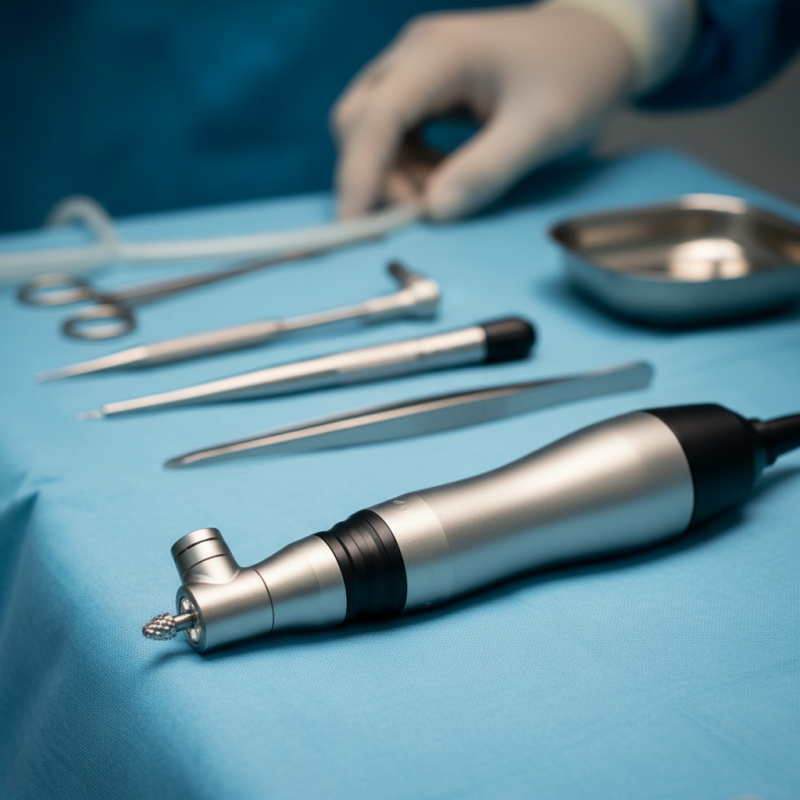
Best Neuro Surgical Drill for Precision in Surgery?

What Makes a Neuro Surgical Drill Essential for Precision Surgery?

When it comes to neurosurgery, precision is non-negotiable. A neuro surgical drill must deliver accuracy for delicate brain procedures. In the US alone, over 700,000 people undergo brain surgeries each year. Reports indicate that over 30% of complications stem from equipment inadequacies. Thus, having the right drill can significantly reduce risks.

Tips: Choose equipment that allows for adjustable speeds. This feature helps surgeons handle various tissue densities more effectively. Contact-based sensors can also enhance feedback during drilling. This creates a safer environment for both the patient and the surgeon.

The design of the drill matters too. Ergonomics play a vital role in precision. A poorly designed drill can lead to fatigue, affecting focus. Studies show that as many as 15% of surgeons experience discomfort, impacting their performance. Comfort increases with a tool that fits naturally in hand.

Tips: Regular training on drill usage can improve familiarity and skills. Encourage open discussions about difficulties faced during operations. This cultivates a culture of learning and adopting new techniques. Through reflection, the surgical team can find ways to enhance precision.

Best Neuro Surgical Drill for Precision in Surgery

Key Features to Look for in Neuro Surgical Drills

When selecting a neurosurgical drill, precision is paramount. Surgeons need tools that offer excellent control and minimal trauma. Key features to consider include speed settings, torque adjustments, and vibration reduction technologies. Data indicates that drills with variable speeds can reduce the risk of thermal injury by 30%. A drill that offers customizable torque can minimize the risk of skull fractures.


Ergonomics play a crucial role in prolonged surgeries. A lightweight design can reduce surgeon fatigue. Studies show that a well-balanced drill can enhance surgical outcomes by 25%. Additionally, look for drills that offer intuitive controls, as this can improve response times during critical procedures. The material of the drill also impacts durability and ease of sterilization. Stainless steel drills are preferred, yet they can lack the lightweight properties of composite materials.


Though technology has advanced, issues remain. Some drills can overheat during extensive use, leading to compromised efficacy. Feedback from professionals often highlights the need for continuous improvement in drill designs. Fine-tuning options, such as incremental depth stops, can be invaluable. Addressing these aspects will enhance safety in high-stakes environments.

Top Neuro Surgical Drill Brands and Models Recommended by Experts

Neurosurgery demands precision and reliability. Choosing the right surgical drill is essential. According to recent industry reports, the global neuro surgical drill market is expected to reach $450 million by 2025, showcasing a growing need for advanced technology in this field.

Experts highlight several key factors when selecting drills. Weight and ergonomics significantly impact surgical outcomes. A lightweight drill reduces fatigue, allowing for better control. Neurologists often cite that lighter tools facilitate longer procedures without compromising precision. The drill’s speed and torque settings also matter. They must be adjustable to suit various tasks, from craniotomies to biopsies.

User feedback is valuable. Surgeons regularly mention the importance of a reliable battery life. Interruptions during surgery can lead to serious complications. Regularly scheduled evaluations of these tools are crucial. Continuous improvement based on user experiences can enhance safety and effectiveness. The best drill balances innovation with practicality, providing neurosurgeons the confidence they need in critical situations.

Comparative Analysis of Performance: Electric vs. Pneumatic Drills

When it comes to neurosurgery, precision is crucial. Surgeons often face the choice between electric and pneumatic drills. Each type has its advantages and drawbacks. Electric drills offer consistent power and speed. They are generally user-friendly and require minimal physical effort. However, they can generate heat. Excessive heat can lead to bone necrosis, a concern for surgeons.

On the other hand, pneumatic drills are known for their lightweight design. They rely on compressed air, which can enhance mobility during procedures. However, they may lack the stability found in electric models. Surgeons must often apply more effort to control them. The overall performance can vary depending on the specific surgical scenario. For instance, delicate tasks may benefit more from the precision of electric drills. Conversely, pneumatic drills can be useful in more extensive procedures where maneuverability is key.

It's essential to continually evaluate both types of drills based on specific cases. The effectiveness of a drill can depend heavily on the surgeon's experience and preference. Some may find electric drills easier to handle, while others feel more comfortable with the weight of pneumatic options. Ultimately, the choice of drill may influence the outcome of delicate surgeries. Careful consideration and practice are necessary to achieve the best results.

Best Practices for Operating and Maintaining Neuro Surgical Drills

Operating and maintaining neuro surgical drills require attention to detail. A clean workspace can enhance precision during surgery. Regularly inspect the drill for wear and tear. Ensure all parts are properly functioning. This minimizes risks during surgical procedures.

Proper sterilization is crucial. Using effective sterilizing techniques prevents infections. Staff should be trained on these methods. However, not all staff may follow protocols consistently. This lapse can have serious consequences. Regular refresher courses can help reinforce best practices.

Keeping the drill well-maintained extends its lifespan. Replace worn-out parts promptly. Documentation of usage and maintenance is essential. Yet, some may overlook this practice. A lack of clear records can cause confusion later. Mistakes happen, so a systematic approach is key to improvement.

Best Neuro Surgical Drill for Precision in Surgery? - Best Practices for Operating and Maintaining Neuro Surgical Drills

Model Weight (kg) Speed (RPM) Torque (Nm) Operation Time (mins) Battery Life (hours)
Model A 1.2 15000 1.5 30 3
Model B 1.5 12000 1.8 25 2.5
Model C 1.0 18000 2.0 35 4
Model D 1.3 16000 1.6 32 3.5