
Skip to content

2026 Best Industrial Thermistor Suppliers from China?

The Industrial Thermistor China market has seen substantial growth over recent years. According to a report from the China Electronics Technology Group, the demand for industrial thermistors is expected to reach $2 billion by 2026. This growth reflects the rising need for precise temperature measurements in various industrial applications.

Dr. Li Wei, an expert in the field, states, "The reliability of thermistors is crucial in automation processes." This highlights the importance of selecting the best suppliers in the sector. Many companies strive to provide high-quality thermistors, yet quality discrepancies still exist. It’s vital for industries to thoroughly assess suppliers to ensure accuracy and durability.

While there are numerous suppliers in China, not all meet the required standards. The challenge lies in identifying those that excel in quality and performance. Companies must focus on reliability and technological advancements to remain competitive. In this dynamic market, pursuing excellence in procurement of industrial thermistors is paramount for operational success.
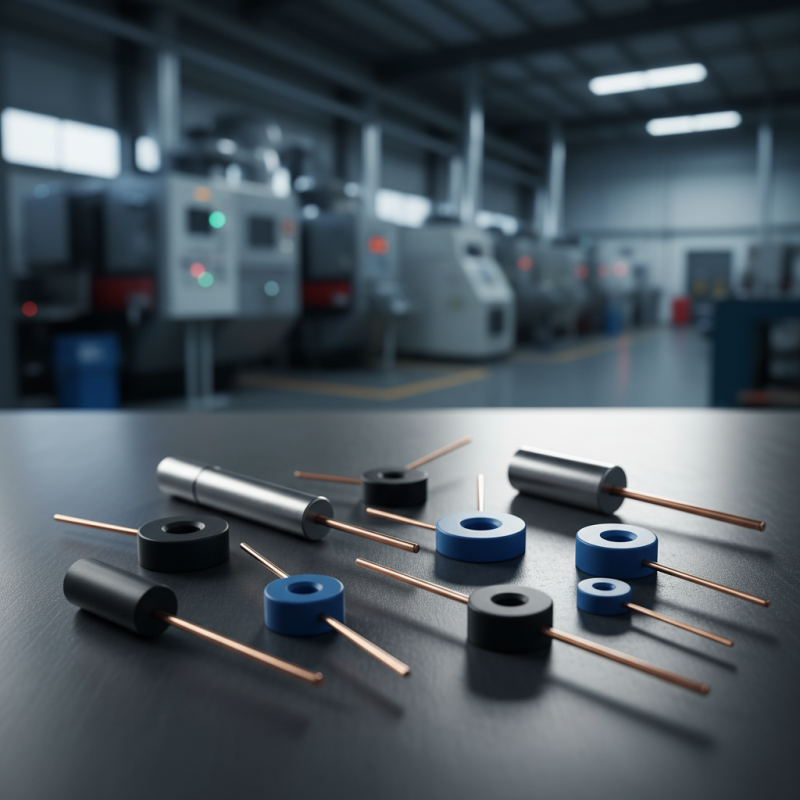
2026 Best Industrial Thermistor Suppliers from China?

Overview of Industrial Thermistors and Their Applications

Industrial thermistors play a critical role in temperature measurement across various applications. These thermistors, a type of resistor that changes resistance with temperature, are crucial in industries like automotive, HVAC, and medical devices. According to a recent market analysis, the demand for thermistors is expected to grow significantly, projected to reach a market value of $3.2 billion by 2025.

Their versatility is notable. Thermistors are employed in advanced systems to enhance energy efficiency. For instance, in HVAC systems, they provide precise temperature readings, aiding in maintaining optimal indoor climates. This precision can lead to significant energy savings—up to 30%—for commercial buildings. However, choosing the right thermistor can be challenging due to the variety available.

Beyond technical specifications, operational stability is paramount. Some thermistors degrade over time, impacting accuracy. The need for regular calibration can add costs and complicate maintenance schedules. There's also an ongoing discussion about the balance between thermal sensitivity and stability, which manufacturers continually strive to improve. This dialogue is essential for advancing the technology and meeting industry needs efficiently. Understanding these dynamics is vital for professionals seeking reliable thermistor solutions.

2026 Best Industrial Thermistor Suppliers from China

This bar chart displays the distribution of various industrial thermistor types based on their applications in different industries. The data illustrates the prominence of each thermistor type in terms of usage across different sectors.

Criteria for Selecting the Best Thermistor Suppliers in China

When selecting the best thermistor suppliers in China, consider several key factors. Start with the supplier's experience in the industry. A supplier with years of operation often indicates reliability. Look for companies that specialize in thermistors and have a solid track record. Quality control is equally important. Suppliers should demonstrate robust testing protocols. Check if they have certifications validating their manufacturing processes.

Next, evaluate their product range. The best suppliers offer a variety of thermistors that cater to different applications. This flexibility can be crucial for businesses with specific needs. Communication is another factor. Reliable suppliers respond promptly and address queries transparently. Establishing a solid communication line can prevent misunderstandings later.

Pricing is also a vital aspect. Competitive pricing can be tempting, but beware of unusually low prices. They may signal inferior quality. It's worth investing in reliable suppliers who value quality over bargain prices. Reflection on past experiences can guide this process. Sometimes, the cheapest option leads to unforeseen complications.

Top Industrial Thermistor Manufacturers in China for 2026

In 2026, the landscape of industrial thermistor suppliers in China is expected to evolve significantly. Many manufacturers are enhancing their technologies and expanding their product ranges. This shift aims to meet the growing demand for precision in temperature sensing and control across various industries.

Leading manufacturers are focusing on quality and reliability. They invest in research and development to ensure their thermistors perform optimally. Their experience in the field plays a vital role in establishing authority. However, some suppliers struggle with quality consistency. This inconsistency can lead to issues that affect overall performance.

Manufacturing capabilities vary among suppliers. Some prioritize cost-efficiency while others emphasize advanced technology. Balancing these factors is crucial for success. The market for industrial thermistors remains competitive. Buyers must carefully evaluate options to find suitable partners. Sustainable practices also influence supplier choices, highlighting the trend towards eco-friendly production methods. This growing awareness could reshape the industry's future.

2026 Best Industrial Thermistor Suppliers from China

Supplier Location Product Type Average Price (USD) Minimum Order Quantity Lead Time (Weeks)
Shenzhen NTC Thermistors 0.10 1000 2
Shanghai PTC Thermistors 0.15 500 4
Guangzhou Digital Thermistors 0.20 1000 3
Hangzhou High-Temperature Thermistors 0.25 300 5
Beijing Thin Film Thermistors 0.12 800 3

Comparative Analysis of Products and Services from Leading Suppliers

In 2026, the demand for reliable industrial thermistors continues to rise. Leading suppliers in China offer a variety of products, each with unique features. Understanding these options is essential for making informed decisions. Many thermistors provide precise temperature readings, yet their accuracy can vary. Factors like calibration and material quality play crucial roles.

When evaluating suppliers, consider their customer service. Timely support can be a game changer during emergencies. Some suppliers may excel in product quality but lag in responsiveness. Quality certifications are also vital. They assure that the products meet industry standards. However, not all certifications guarantee long-term reliability.

Cost is another important aspect. Affordable options may seem attractive, yet they might compromise performance. It’s crucial to balance cost with quality. While some suppliers promote cost-effectiveness, their products can face significant issues later. Reflecting on these factors can help companies choose wisely. The landscape of industrial thermistor suppliers in China is competitive, demanding careful evaluation of both products and services.

Future Trends in the Industrial Thermistor Market in China

The industrial thermistor market in China is evolving rapidly. Several factors are driving this growth. Increased demand for temperature sensors in industries like automotive and electronics is significant. According to a recent market research report, the thermistor segment is expected to grow at a CAGR of 6.7% from 2023 to 2030. This growth underscores the importance of reliable temperature measurement in these sectors.

Moreover, advancements in technology are pushing the development of smarter thermistors. These devices are becoming more accurate and energy-efficient. The integration of IoT solutions in manufacturing is paving the way for enhanced thermal management. However, challenges remain in standardization and reliability, especially under extreme conditions. This leaves room for improvement as manufacturers strive for higher quality.

As companies in China focus on innovation, the role of research and development becomes crucial. Enhancing manufacturing processes and achieving better material choices can lead to significant strides. Overall, the landscape of industrial thermistors is promising yet not without hurdles. Stakeholders must consider ongoing technological shifts and market demands to stay competitive.