In the ever-evolving landscape of industrial facilities, the role of industrial HVAC systems has become increasingly critical, particularly when it comes to energy efficiency. According to the U.S. Department of Energy, HVAC systems account for nearly 40% of a building's total energy consumption. As industries confront rising energy costs and stricter regulations regarding emissions, the demand for optimal energy-efficient HVAC solutions is more pressing than ever.

In 2023, the focus on advanced technology within industrial HVAC systems is paramount to achieving sustainability goals while enhancing operational performance. Reports from the American Society of Heating, Refrigerating and Air-Conditioning Engineers (ASHRAE) indicate that energy-efficient HVAC systems not only reduce energy expenditure but also contribute substantially to lowering a facility’s carbon footprint. The industry is witnessing a shift towards integrating smart technologies and automation, which can lead to energy savings of up to 30% when properly implemented.
This article delves into the 10 best industrial HVAC systems available this year, highlighting innovative designs and technologies that promote superior energy efficiency. By investing in these top-performing systems, facilities can optimize their operations, significantly reduce their energy consumption, and position themselves as leaders in the pursuit of environmental sustainability.
Upgrading to high-efficiency HVAC systems in industrial applications offers numerous benefits that can significantly enhance operational performance and reduce energy costs. Modern HVAC systems are designed to optimize energy use, incorporating advanced technologies such as variable-speed drives, smart thermostats, and energy recovery ventilators. These innovations not only improve temperature regulation and air quality but also enable facilities to operate more sustainably by minimizing energy waste.
Furthermore, the transition to high-efficiency systems can lead to substantial cost savings over time. While the initial investment may be higher, the reduced energy consumption results in lower utility bills and quicker returns on investment. Additionally, many high-efficiency HVAC units qualify for government rebates and incentives, further offsetting the initial expense. Alongside monetary savings, companies can enhance their reputations as environmentally responsible organizations, which is becoming increasingly important in today's market. This commitment to sustainability can also attract energy-conscious consumers and investors, providing a competitive edge in the industrial sector.
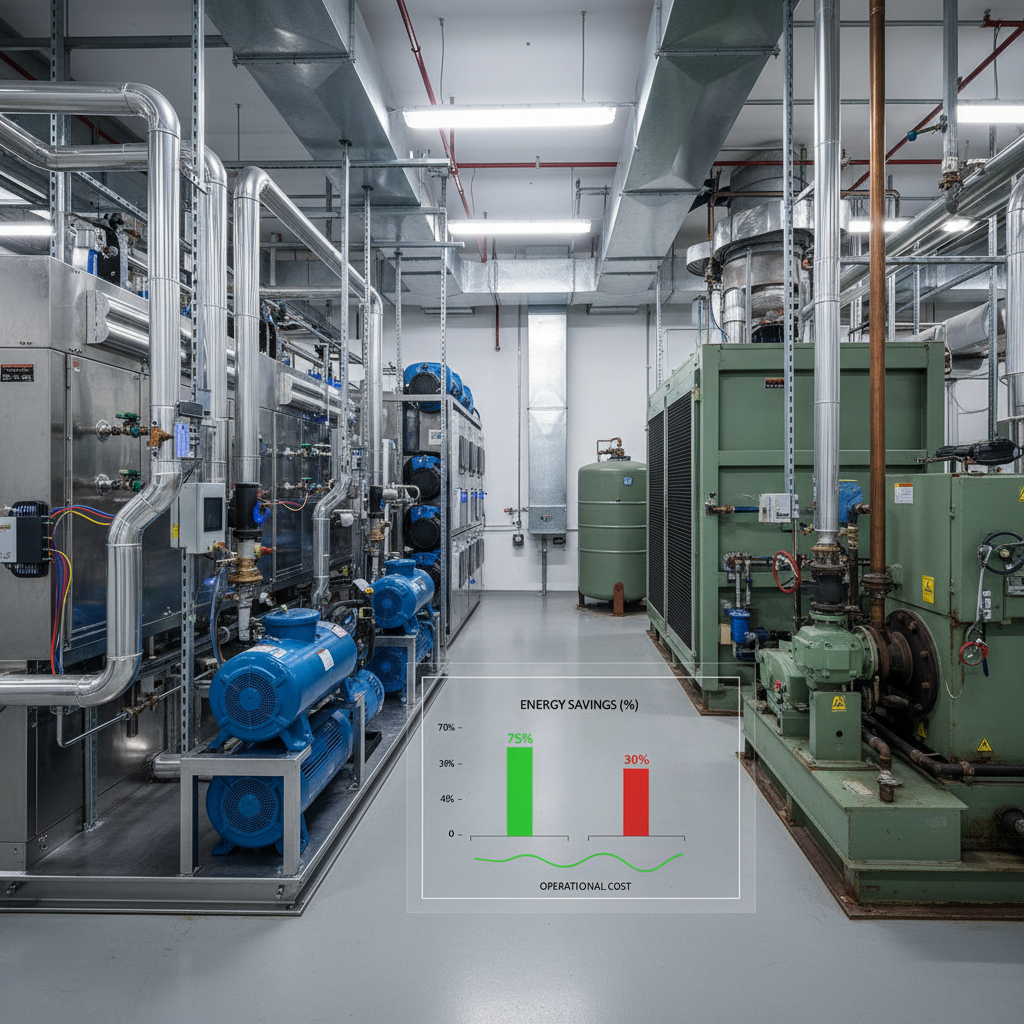
When evaluating industrial HVAC systems for their energy efficiency, key performance metrics play a critical role in decision-making. One primary metric is the Energy Efficiency Ratio (EER), which measures the cooling output provided per unit of energy consumed. A higher EER indicates better efficiency, making it an essential benchmark for comparing different systems. Additionally, Seasonal Energy Efficiency Ratio (SEER) is equally important, as it accounts for varying cooling needs across different seasons, providing a more comprehensive understanding of the system’s energy performance over time.
Another vital metric is the coefficient of performance (COP), which applies to heating systems and indicates the ratio of useful heating output to the energy input. A higher COP suggests a more efficient system, essential for reducing operational costs in industrial settings. Furthermore, the system's operational flexibility is crucial; units that can efficiently adapt their output based on real-time demand not only enhance energy savings but also reduce wear and tear on components, extending the system’s lifespan. By focusing on these key performance metrics, businesses can identify HVAC systems that achieve optimal energy efficiency while meeting their specific industrial requirements.
In 2023, innovative technologies are revolutionizing industrial HVAC systems, ensuring they operate with maximum energy efficiency. The integration of smart controls and IoT (Internet of Things) devices has transformed how these systems manage environmental conditions. By leveraging real-time data analytics, companies can optimize temperature settings and airflow, leading to significant energy savings and reduced operational costs. The adoption of variable refrigerant flow (VRF) systems allows for precise temperature control in different zones, adapting to the specific needs of each area within an industrial facility.
Tips: Consider investing in smart thermostats that can learn user preferences and adjust settings accordingly. They can help minimize energy wastage and ensure comfort without constant manual adjustments. Additionally, routine maintenance and timely upgrades to more efficient components can significantly extend the lifespan of your HVAC system while maintaining peak performance.
Another significant trend is the increased use of renewable energy sources in HVAC systems. Technologies such as heat pumps and solar-assisted HVAC systems not only reduce reliance on fossil fuels but also align with sustainability goals. Companies that invest in these systems benefit from lower energy bills and improved public perception as environmentally responsible entities.
Tips: Explore government incentives and rebates for green technologies, which can lower the initial investment costs. Additionally, engage employees in energy-saving practices, as collective efforts can lead to further efficiencies and reduced energy consumption.
In today's industrial landscape, optimizing energy efficiency is crucial for reducing operational costs and minimizing environmental impact. A comparative analysis of the top industrial HVAC systems in 2023 reveals significant variations in energy savings capabilities. Systems relying on advanced technologies, such as variable refrigerant flow (VRF) systems and chillers with high-efficiency compressors, demonstrate superior performance compared to traditional HVAC setups. These innovative solutions not only provide effective climate control but also leverage smart sensors and controls to optimize energy consumption based on real-time demand.
Furthermore, the analysis highlights the importance of incorporating renewable energy sources into HVAC systems. Hybrid systems that integrate solar thermal or geothermal energy have emerged as frontrunners in achieving remarkable energy efficiency levels. By assessing metrics such as Seasonal Energy Efficiency Ratio (SEER) and Energy Efficiency Ratio (EER), businesses can select HVAC systems that promise substantial energy savings. This strategic selection process fosters sustainable industrial practices, paving the way towards greener operations while ensuring that facilities remain comfortable and efficient.
As the demand for energy-efficient industrial HVAC systems continues to rise in 2023, regulatory standards are playing a crucial role in shaping design and installation practices. Government incentives aimed at reducing carbon footprints and enhancing energy efficiency are compelling manufacturers and facility managers to opt for advanced HVAC systems. For instance, compliance with the latest ASHRAE standards is not just a legal necessity but also beneficial for long-term operational cost savings. These regulations not only promote the use of energy-efficient technology but also encourage innovation within the industry.
Tips: To maximize energy efficiency, it's essential to conduct regular maintenance on HVAC systems, ensuring optimal performance and longevity. This includes cleaning filters, checking for duct leaks, and calibrating controls. Additionally, consider retrofitting outdated equipment with energy-efficient models to meet current regulations while benefiting from potential rebates.
Understanding local and federal incentives can greatly impact your HVAC choices. Programs like Energy Star and various state-specific utility rebates can significantly lower the initial investment cost of installing energy-efficient systems. Be proactive in researching these opportunities, as they can provide substantial financial support, making energy efficiency not only a regulatory requirement but also a financially sound decision.
| System Type | Energy Efficiency Rating (EER) | Annual Operating Costs ($) | Environmental Impact (CO2 Emissions) | Regulatory Incentives |
|---|---|---|---|---|
| Variable Refrigerant Flow (VRF) | 16.0 | $3,500 | 2,000 kg/yr | Tax rebates up to $1,000 |
| Chilled Beam Systems | 14.5 | $4,200 | 1,800 kg/yr | Incentives for energy audits |
| Geothermal Heat Pumps | 20.0 | $2,800 | 1,200 kg/yr | Grants available for installations |
| Packaged Rooftop Units | 12.0 | $5,000 | 3,000 kg/yr | Energy-efficient upgrades incentive |
| Energy Recovery Ventilators (ERV) | 15.0 | $3,200 | 1,500 kg/yr | Subsidies for improved efficiency |