What is the Best HVAC System for Home Comfort and Energy Efficiency
When it comes to ensuring optimal home comfort while maximizing energy efficiency, choosing the right HVAC system is crucial. According to John Doe, a leading expert in the HVAC for home industry, "A well-designed HVAC system not only enhances comfort but also leads to significant savings on energy bills." This statement underscores the importance of selecting a system that balances performance with efficiency, catering to the unique needs of each household.
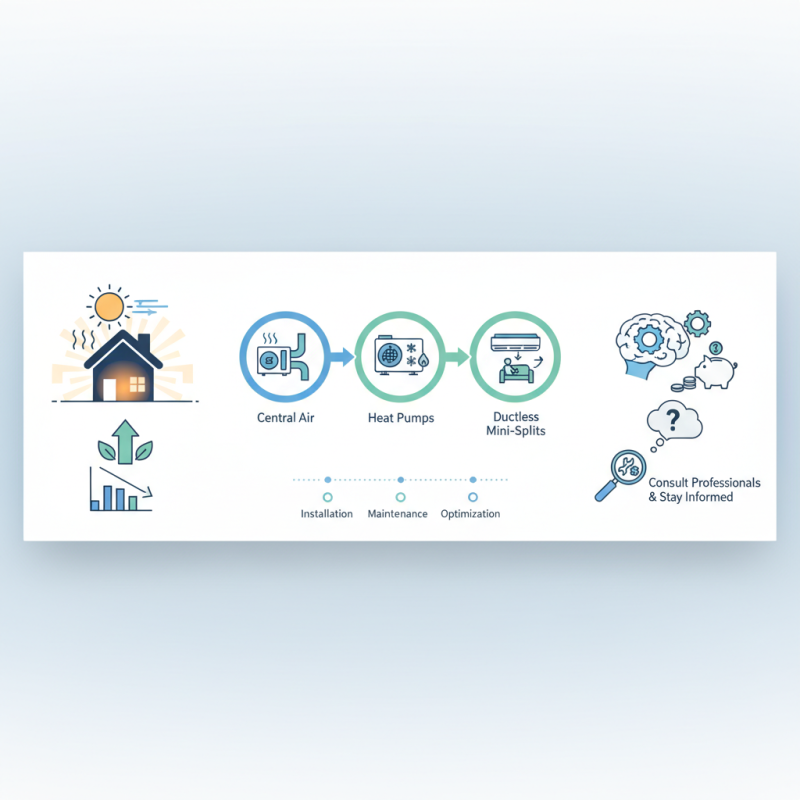
In today's market, where innovations abound and residential energy demands continue to evolve, homeowners face a plethora of options. Understanding the different HVAC systems available—such as central air conditioning, heat pumps, and ductless mini-splits—is essential for making an informed decision. Each type offers its own set of advantages and considerations, and it is vital to assess factors such as installation costs, maintenance requirements, and energy consumption patterns.
Ultimately, achieving home comfort and energy efficiency goes beyond mere installation; it involves ongoing evaluation and adjustment to ensure that the HVAC system operates effectively year-round. By consulting with professionals and staying informed about advancements in the HVAC for home sector, homeowners can create an environment that is both comfortable and cost-effective.
Understanding the Basics of HVAC Systems for Home Comfort
When considering home comfort, understanding the basics of HVAC (Heating, Ventilation, and Air Conditioning) systems is essential. A well-functioning HVAC system not only regulates indoor temperature and air quality but also plays a crucial role in energy efficiency. According to the U.S. Department of Energy, HVAC systems account for approximately 48% of the total energy use in a typical U.S. home, which emphasizes the importance of choosing an efficient system. Homes equipped with Energy Star-rated HVAC systems can save homeowners 20-30% on utility bills, making investment in efficient solutions both an economical and environmentally beneficial choice.
The effectiveness of an HVAC system is often measured by its Seasonal Energy Efficiency Ratio (SEER) for cooling and its Annual Fuel Utilization Efficiency (AFUE) for heating. A higher SEER rating indicates better energy efficiency during the cooling season, while a higher AFUE rating reflects more efficient use of fuel during the heating season. According to the American Society of Heating, Refrigerating and Air-Conditioning Engineers, systems with a SEER rating of 16 or higher can significantly reduce energy consumption compared to older models. Choosing a well-matched HVAC system can also create a more comfortable living space by ensuring consistent temperatures throughout the home, preventing hotspots or drafty areas.
Best HVAC Systems for Home Comfort and Energy Efficiency
Factors to Consider when Choosing an HVAC System
When choosing an HVAC system for optimal home comfort and energy efficiency, several key factors come into play. Firstly, the size of the system should match the specific needs of your home. An oversized unit may cycle on and off too frequently, leading to energy waste and uneven temperatures, while an undersized system will struggle to maintain comfort levels, increasing wear and tear. Conducting a thorough load calculation can help determine the appropriate size by taking into account square footage, insulation levels, and local climate conditions.
Another important consideration is the energy efficiency rating of the HVAC system. Look for systems with high Seasonal Energy Efficiency Ratio (SEER) and Annual Fuel Utilization Efficiency (AFUE) ratings, which indicate better energy performance. Additionally, consider the type of system that best suits your lifestyle and home layout, such as central air conditioning, ductless systems, or heat pumps. Each type has its own advantages and may be more suitable depending on factors like installation flexibility, maintenance, and heating requirements.
Lastly, ensure that the system you choose accommodates your budget, not just for the initial purchase but also for long-term operational costs.
Comparing Energy Efficiency Ratings of HVAC Systems
When it comes to selecting the best HVAC system for home comfort while ensuring energy efficiency, understanding energy efficiency ratings is crucial. The Seasonal Energy Efficiency Ratio (SEER) and the Heating Seasonal Performance Factor (HSPF) are two key metrics to consider. According to the U.S. Department of Energy, systems with a SEER rating of 14 or higher are considered highly efficient, while those with an HSPF rating of 8.2 or higher offer excellent heating efficiency. Homeowners should opt for systems that not only meet these standards but exceed them, as more energy-efficient systems can significantly lower energy bills.
Incorporating variable-speed technology in HVAC systems can enhance their energy performance, allowing systems to adjust their output based on demand. This innovation can lead to energy savings up to 30% compared to traditional units. Additionally, many modern systems come equipped with smart thermostats that optimize energy use by learning the homeowner's preferences, resulting in both convenience and efficiency.
Tips: When evaluating HVAC systems, always ask for the latest efficiency ratings and look for systems with ENERGY STAR certification. Regular maintenance of your HVAC system, including changing filters and cleaning ducts, can also ensure it runs at peak efficiency, thereby maximizing comfort and minimizing costs.
Popular Types of HVAC Systems and Their Advantages
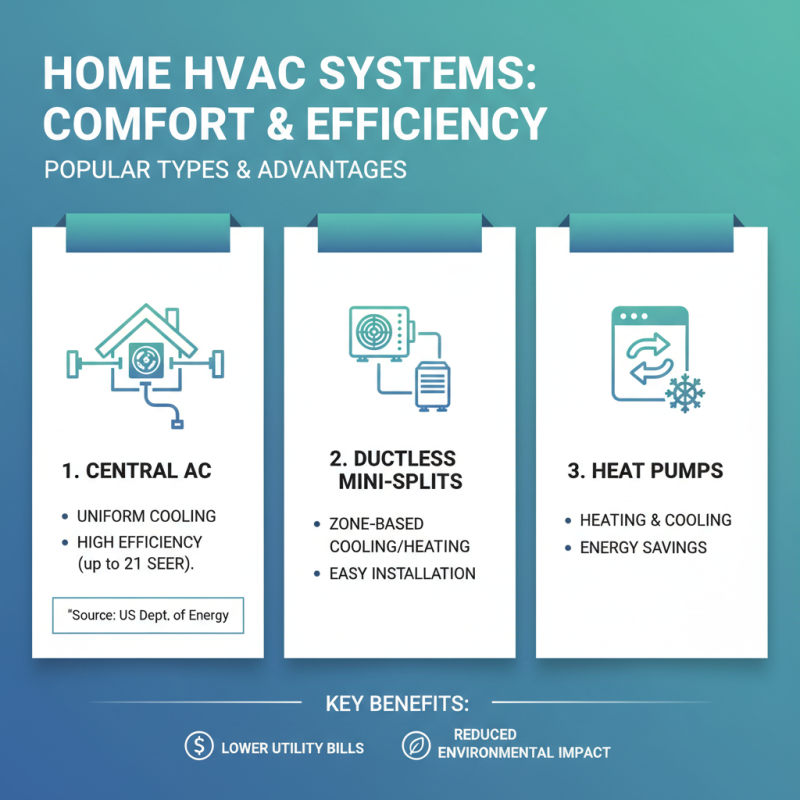
When considering the best HVAC system for home comfort and energy efficiency, it is essential to explore the popular types available and their distinct advantages. Central air conditioning systems are among the most commonly used, providing uniform cooling throughout the home. According to the U.S. Department of Energy, modern central systems can achieve efficiency ratings of up to 21 SEER (Seasonal Energy Efficiency Ratio), which significantly lowers energy consumption compared to older models. This efficiency translates into both lower utility bills and reduced environmental impact.
Another option gaining favor is the ductless mini-split system, which offers flexibility and targeted heating and cooling. These systems allow homeowners to set different temperatures for individual rooms, thus enhancing comfort. Reports indicate that ductless systems can deliver efficiency ratings of 30 SEER or higher, making them an excellent choice for energy-conscious consumers. Additionally, their installation does not require ductwork, which can be beneficial in older homes where adding ducts might be impractical.
Heat pumps present another advantageous alternative, functioning efficiently for both heating and cooling. The Energy Information Administration states that heat pumps can provide up to three times the energy they consume, making them a highly efficient choice for homeowners looking to reduce both energy costs and carbon footprints. With such a variety of HVAC systems available, homeowners can select solutions that best align with their comfort needs and energy efficiency goals.
Tips for Maintaining Your HVAC System for Optimal Performance
Maintaining your HVAC system is crucial for ensuring optimal performance and energy efficiency in your home. According to the
U.S. Department of Energy, regular maintenance can improve system efficiency by up to
30%. One essential maintenance task is changing or cleaning filters at least once every three months.
Clogged filters restrict airflow, forcing the system to work harder, which not only drains energy but also accelerates wear and tear on the equipment.
Additionally, consider scheduling annual professional inspections. A report from the
Air Conditioning Contractors of America (ACCA) emphasizes that routine professional maintenance can extend the lifespan of HVAC systems by
5 to 15 years, significantly reducing the likelihood of costly repairs. During these inspections, technicians can identify potential issues before they become major problems, ensuring your system runs smoothly at optimal efficiency.
Another effective practice is to keep outdoor units clear of debris and maintain proper insulation around ductwork, as uninsulated ducts can lead to energy losses of up to
30%. By staying proactive with your HVAC maintenance, you not only enhance comfort but also contribute to significant energy savings over time.