
Skip to content

Best Ground Rod Copper Options for Your Electrical Needs?

When it comes to electrical safety, choosing the right materials is crucial. Ground Rod Copper options are a key element in ensuring effective grounding systems. These rods play a vital role in protecting your electrical equipment and preventing potential hazards. Selecting high-quality Ground Rod Copper can improve the reliability of your electrical installations.

Various types of Ground Rod Copper are available, each with distinct characteristics. It's important to understand how these differences can affect performance and durability. For instance, the diameter and length of the rod can influence its grounding capabilities. Investing in the right choice may save you from unexpected electrical failures in the long run.

Despite the available options, many still overlook the importance of grounding systems. This can lead to costly mistakes and safety risks. It's essential to educate yourself about the best Ground Rod Copper choices for your specific needs. Researching and seeking expert advice can empower you to make informed decisions that enhance safety and efficiency in your electrical projects.
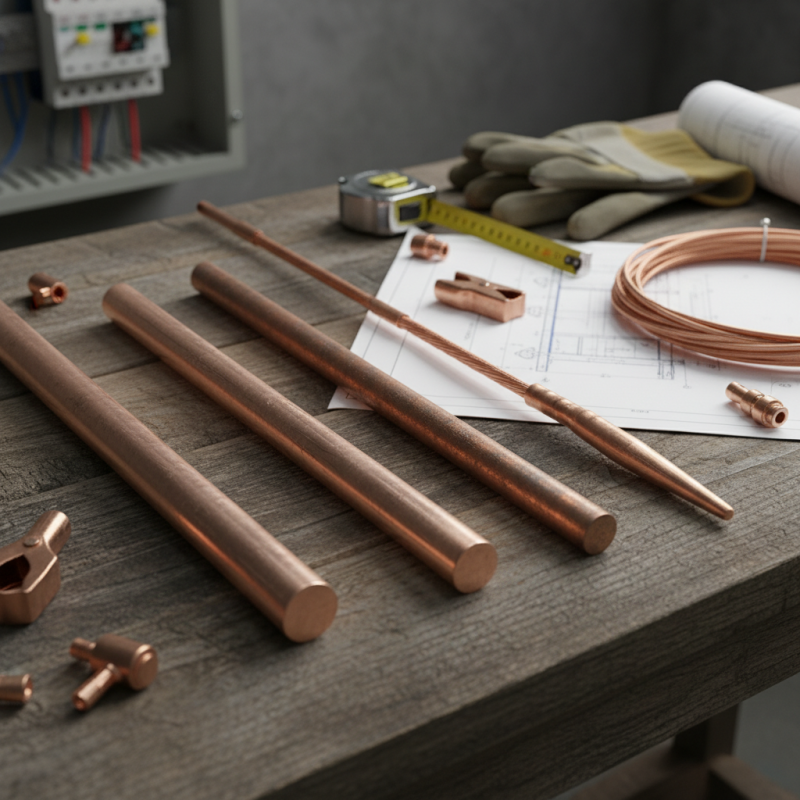
Best Ground Rod Copper Options for Your Electrical Needs?

Understanding the Importance of Ground Rods in Electrical Systems

Ground rods play a critical role in electrical systems. They provide a direct path for fault currents to safely dissipate into the earth. This prevents electrical shocks and reduces the risk of fire. A reliable grounding system is essential for protecting equipment and ensuring safety.

In many installations, copper ground rods are a popular choice. Their high conductivity makes them effective in facilitating the flow of electricity. However, several factors can affect their performance. Soil conditions, moisture levels, and local regulations must be considered when selecting ground rods. Understanding these elements helps in making informed decisions.

Ground rods also require regular inspection and maintenance. Corrosion can compromise their effectiveness over time. If you notice signs of wear, it may be necessary to replace them. Reflection on the condition of your grounding system can enhance overall safety. Remember, a well-grounded electrical system is crucial for reliable operation.

Different Types of Copper Ground Rods Available on the Market

When selecting a copper ground rod, it’s crucial to understand different types available. Common options include Solid Copper Rods and copper-bonded rods. Solid copper rods are known for their excellent conductivity and durability. They are often used for permanent installations. However, they can be more expensive compared to other types.

Copper-bonded rods, on the other hand, consist of a steel core with a copper coating. This makes them more affordable and lighter. They also provide adequate conductivity and corrosion resistance. Yet, in certain conditions, the copper coating may wear off over time, which could lead to performance issues.

Tips: Always consider soil conditions when choosing a rod. For rocky or sandy soil, a longer rod may be required to achieve adequate grounding. Regular inspections are essential. Ensure the rod is free from corrosion. If you notice any deterioration, a replacement might be necessary. Choosing the right copper ground rod aligns with safety standards and enhances the reliability of your electrical systems.

Key Features to Consider When Choosing a Copper Ground Rod

When selecting a copper ground rod, it's essential to consider several key features. The diameter of the rod can significantly impact its effectiveness. Standard sizes typically range from 5/8 inch to 3/4 inch. A larger diameter can provide better conductivity, but it also affects installation ease. For many projects, a 5/8 inch rod strikes a balance between performance and manageability.

The length of the ground rod plays a crucial role too. A rod should extend deep enough into the soil to reach moisture. This increases conductivity and effectiveness. A common recommendation is a length of at least eight feet. However, local soil conditions may necessitate deeper installation. Different areas can vary in resistivity, impacting grounding performance.

Material quality matters. Copper rods resist corrosion and enhance durability. Some options come with a coating, which may extend life but can introduce weld issues. Ensure your choice aligns with local codes and standards. Always check for specific requirements in your area. Understanding these details can improve your grounding system's reliability.

Installation Tips for Effective Grounding with Copper Rods

When installing copper ground rods, proper techniques ensure effective grounding. First, choose the right location. Select a spot away from nearby power lines and structures. This reduces interference and maximizes safety. The site should also have moist soil. Moisture improves conductivity, enhancing the grounding system’s efficiency.

Before installation, check the depth of the ground rod. It should be driven at least 8 feet into the earth. Use a sledgehammer for the best results. Consider using a grounding clamp to secure the copper wire firmly. This ensures a reliable connection. Proper connections minimize the risk of electrical faults.

Keep in mind, not every installation will go perfectly. You may encounter rocky soil or other obstacles. Adjustments may be necessary to achieve the required depth. Sometimes, multiple rods may be needed for adequate grounding. Consulting with experts can help troubleshoot these challenges. Always prioritize safety and proper techniques during the entire process.

Ground Rod Copper Options for Electrical Needs

This chart illustrates various copper ground rod options based on their lengths and performance metrics essential for effective electrical grounding installations. The data reflects metrics such as conductivity and the area served by each rod length.

Maintaining and Inspecting Your Copper Ground Rod for Longevity

Maintaining a copper ground rod is essential for ensuring its longevity and effectiveness. These rods play a crucial role in protecting electrical systems from surges. According to industry reports, the majority of grounding failures stem from improper maintenance rather than the quality of the rod itself. Regular inspections can prevent serious electrical hazards.

Inspecting your copper ground rod involves checking for corrosion and ensuring it's securely connected to the grounding system. Corrosion can dramatically reduce conductivity. A study indicated that even a thin layer of corrosion could increase resistance by up to 50%. Ensuring a clean, corrosion-free surface is vital.

Another important aspect is grounding system testing. Utilization of ground resistance testers can provide accurate readings. Regular measurements can indicate any underlying issues. If resistance levels rise above 25 ohms, it may signal a need for immediate attention. Keeping a maintenance log can help identify patterns and inform future inspections. Always prioritize proactive measures to safeguard your electrical setup.