How to Choose the Best Duct Air Quality Monitor in 2026?
As we move into 2026, the importance of maintaining air quality in duct systems cannot be overstated. A recent report from the Global HVAC Air Quality Association reveals that poor indoor air quality can lead to significant health issues. In fact, it estimates that up to 50% of respiratory ailments can be attributed to inadequate ventilation. This emphasizes the need for reliable tools, such as the Duct Air Quality Monitor, to ensure optimal air conditions.
Dr. Elaine Thompson, an expert in indoor air quality, highlights the critical role of monitoring systems, stating, “Investing in a Duct Air Quality Monitor is essential for understanding and improving air integrity.” Her insights reflect the growing recognition that simple measures can lead to profound improvements in health and comfort. With so many options available, the decision-making process can be challenging.
Choosing the right monitor involves understanding specific needs and technical specifications. Many consumers may overlook important features that impact overall effectiveness and reliability. Balancing cost and functionality is not always straightforward. By considering expert recommendations and industry standards, individuals can make informed decisions for healthier living environments.
Understanding Duct Air Quality Monitors and Their Importance
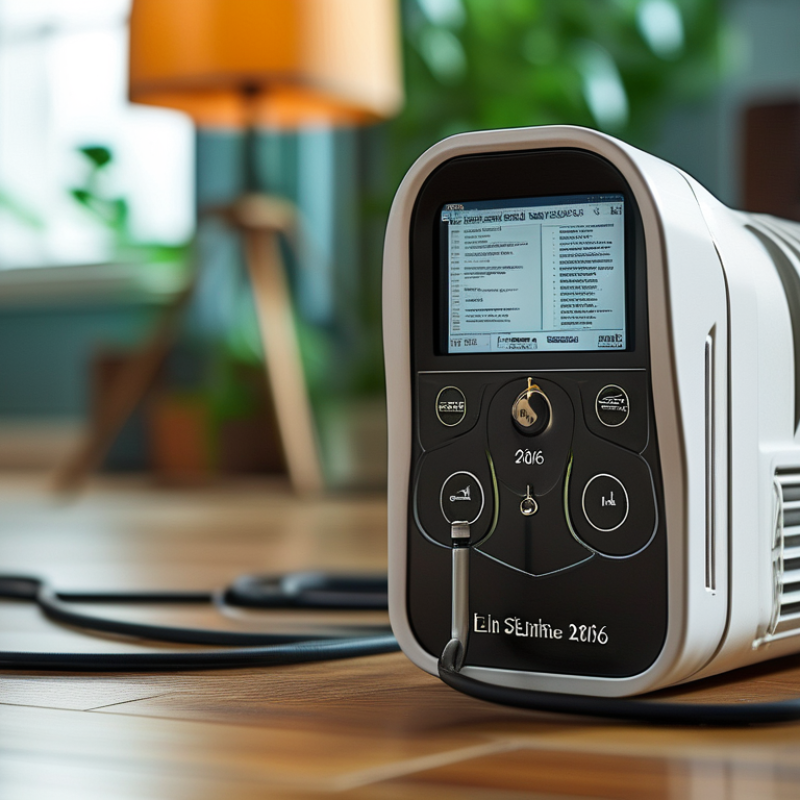
Duct air quality monitors play a crucial role in maintaining a healthy indoor environment. These devices help to assess pollutants in your air system, ensuring better filtration and ventilation. Poor air quality can lead to serious health issues. Long-term exposure may cause respiratory problems and other illnesses. Understanding the importance of these monitors is essential for those concerned about health and wellbeing.
Choosing the right duct air quality monitor involves considering various factors. Look for devices that measure particulate matter, humidity, and VOCs. These monitors can provide real-time data, giving you insights into your home’s air quality. Effective monitoring impacts your living environment directly. However, some devices may not provide complete information. Analyze reviews and expert recommendations to find reliable options.
Don't overlook the need for regular calibration and maintenance. A poorly calibrated monitor can give false readings. Therefore, understanding how to interpret the results is equally important. Take the time to explore different features and types on the market. Your investment in air quality should reflect your specific needs. Each household has unique factors that influence air quality, like location and occupancy.
Key Features to Consider When Selecting a Duct Air Quality Monitor
When selecting a duct air quality monitor, various features must be prioritized. First, consider the sensor technology used. Advanced sensors can detect volatile organic compounds (VOCs), particulate matter, and allergens. According to a 2023 report from the Environmental Protection Agency (EPA), exposure to high levels of these pollutants can significantly impact respiratory health. Devices equipped with multi-sensor capabilities provide a more comprehensive assessment of indoor air quality.
Connectivity options are crucial in today's smart homes. Many monitors now offer Wi-Fi or Bluetooth features. This allows for real-time data monitoring through smartphone apps. A 2022 study by the American Lung Association revealed that connected devices can help individuals make informed decisions about their air quality. They can notify users of unsafe levels and prompt timely actions to improve conditions.
Lastly, ease of use cannot be overlooked. A user-friendly interface facilitates quick interpretation of data. A complex display may overwhelm users, leading to critical oversight. Take note that even with advanced technology, some monitors may present limitations in specific environments, like high humidity areas. Being aware of these factors will enhance the selection process, ensuring that the chosen monitor meets your needs effectively.
How to Choose the Best Duct Air Quality Monitor in 2026? - Key Features to Consider When Selecting a Duct Air Quality Monitor
| Feature | Importance | Details |
| Sensitivity Range | High | Ability to detect a wide range of pollutants from PM2.5 to VOCs. |
| Calibration Frequency | Medium | How often the device needs recalibrating for accurate readings. |
| Connectivity Options | High | Wi-Fi, Bluetooth, or app compatibility for monitoring data remotely. |
| Battery Life | Medium | Duration the device can function on a single charge. |
| Display Type | Low | LCD vs. digital display and ease of readability. |
| Size and Portability | Medium | How easy it is to install and move the monitor. |
| Data Logging Features | High | Ability to store and analyze historical data readings. |
Evaluating Sensor Technology for Accurate Air Quality Measurements
Choosing the best duct air quality monitor in 2026 requires careful consideration of sensor technology. Advanced sensors are crucial for accurate air quality measurements. Reports indicate that sensors using laser technology can detect particulate matter with high precision. They provide real-time data, which is essential for maintaining healthy indoor air.
When evaluating sensors, look for those that monitor multiple pollutants. Popular metrics include VOCs, CO2, and NO2 levels. Multi-sensor capabilities are becoming more common, which enhances reliability. A 2023 study found that devices measuring at least three pollutants had a 30% better detection rate than single-function models.
Tip: Check for certifications. Ensure the monitor complies with industry standards. Devices certified by IEEE or ISO tend to demonstrate better reliability.
Consider the calibration frequency for accuracy. Frequent recalibration may be necessary to maintain precision. A report from the Environmental Protection Agency suggests that poorly calibrated sensors can lead to misleading data. This can create a false sense of security about air quality.
Tip: Monitor the device’s performance over time. Look for trends rather than relying on single readings. Regular assessments help ensure the effectiveness of your air quality monitor.
Comparing Duct Air Quality Monitors: Brands, Models, and Prices
When selecting a duct air quality monitor in 2026, comparing brands and models is crucial. Each product brings unique features to the table, affecting price and performance. Some monitors focus on particulate matter, while others analyze gases like CO2 and VOCs. Understanding what matters most for your environment will guide your choice.
Tips: Consider the type of air contaminants common in your area. Different environments have varying needs. For instance, if you're in a region with high pollen, a monitor that tracks allergens might be more beneficial.
Prices can vary significantly based on features and brand reputation. You might find basic models at affordable rates, but investing in a more advanced device often pays off. Look for user reviews and expert opinions to gauge reliability.
Tip: Don’t overlook warranty offers. A good warranty indicates manufacturer confidence in their product. Lastly, ensure ease of use with an intuitive interface. Complex devices might cause frustration and lead to neglect. The right choice can greatly enhance indoor air quality.
Installation and Maintenance Tips for Optimal Performance of Monitors
When selecting a duct air quality monitor, installation is key. Proper placement ensures accurate readings. Ideally, install the monitor near the air return vent. This way, it can assess the overall air quality effectively. Adjust the height to avoid interference from furniture or other obstructions. If the monitor features Wi-Fi connectivity, keep it close to a router to maintain constant data transmission.
Maintenance is equally crucial for optimal performance. Regularly check and clean the monitor’s sensors. Dust and debris can affect accuracy. Schedule monthly visual inspections and quarterly detailed cleaning. If the monitor alerts you to poor air quality, don’t ignore it. Take immediate action to identify the source of pollutants. This proactive approach can significantly enhance indoor air quality, impacting health positively.
Remember, monitor calibration may drift over time. Ensure to recalibrate as recommended in user manuals. Document any changes in air quality over time. This data helps you understand trends, leading to informed decisions. Inconsistent readings may suggest placement issues. Reflect on how these small adjustments can lead to better air quality. Regular attention to these details can transform your indoor environment.