As energy costs continue to rise globally, consumers seek affordable options for climate control. Cheap HVAC systems have gained traction due to their cost-effectiveness. According to the U.S. Department of Energy, heating and cooling account for 48% of energy use in an average home. Many homeowners are looking for budget-friendly solutions that are both efficient and reliable.
In 2026, the demand for cheap HVAC systems is expected to soar. The market is projected to grow significantly as buyers search for sustainable options. A report from Research and Markets indicates that the global HVAC market will reach $240 billion by 2026. This growth highlights the importance of understanding what makes a system both affordable and efficient.
However, not all "cheap" systems meet quality standards. Many affordable units sacrifice performance for price. Consumers must be cautious and research their options thoroughly. They should consider energy ratings and long-term costs. Investing in a cheap HVAC system can lead to savings, but it requires thoughtful selection.
Heating, ventilation, and air conditioning (HVAC) systems are vital for indoor comfort. Different types serve various functions.
Central air systems cool entire homes.
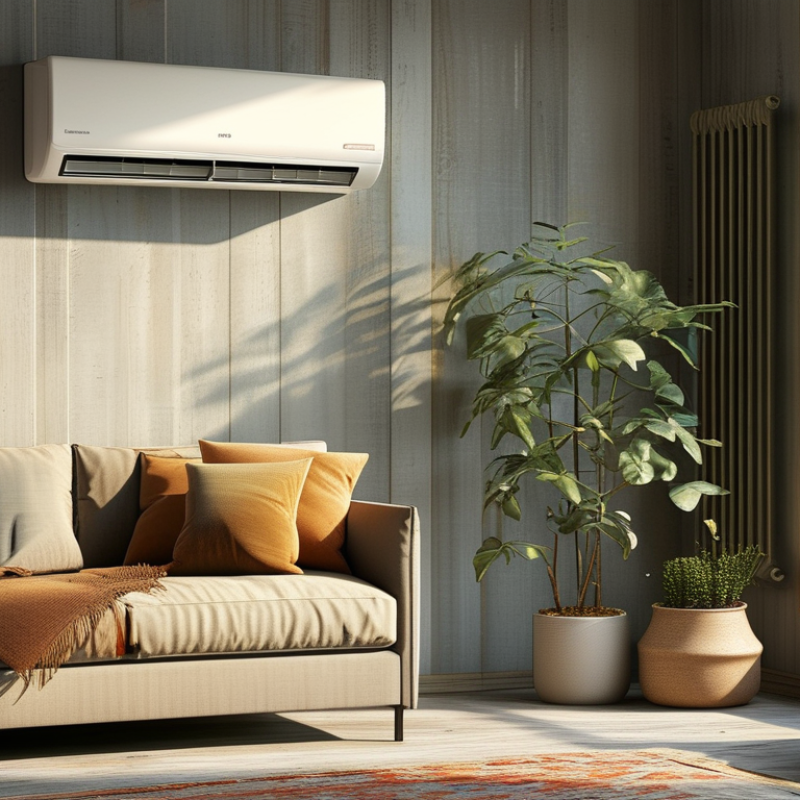
Split systems provide flexibility, allowing for cooling or heating specific areas. Ductless systems are ideal for spaces without existing ductwork. Each option has its benefits and drawbacks.
The effectiveness of HVAC systems relies on proper installation and maintenance. A poorly installed system may lead to inefficiency.
Regular check-ups can reveal potential issues, preventing costly repairs later.
Understanding energy efficiency ratings is crucial for making informed choices. Homeowners should consider scheduling regular inspections to ensure optimal operation.
While the upfront cost can be daunting, investing wisely can pay off in the long run. Budget-friendly systems may lack features found in premium models.
Yet, a well-chosen system can maintain comfort without breaking the bank. Balancing affordability with quality is essential for global buyers seeking reliable solutions.
When selecting a cheap HVAC system, several key factors come into play. The system's efficiency is vital. Look for high SEER ratings, which indicate energy performance. A system that conserves energy lowers your bills. Additionally, consider the sizing. An oversized unit may cool quickly but leads to inefficiency. It can create humidity problems too. A professional assessment can guide you in finding the right size.
Installation costs can also impact your choice. Cheaper systems may seem appealing, but installation expenses add up. It is crucial to check if the unit requires specific installation protocols. Sometimes, opting for a unit that seems cost-effective can lead to hidden expenses later on. Pay attention to warranties and service agreements. A solid warranty reflects a manufacturer’s trust in their product.
Finally, think about the long-term costs. Maintenance is essential for system longevity. Regular checks can prevent costly repairs down the road. If your chosen system lacks support resources, it might pose a challenge in the future. Choosing wisely now can save you from regrets later.
| Model | Type | Efficiency Rating (SEER) | Price (USD) | Warranty (Years) |
|---|---|---|---|---|
| Model A | Split System | 16 | 2000 | 5 |
| Model B | Packaged Unit | 14 | 1800 | 6 |
| Model C | Ductless Mini-Split | 18 | 2200 | 7 |
| Model D | Central Air | 15 | 2100 | 10 |
| Model E | Heat Pump | 17 | 2500 | 8 |
When selecting affordable HVAC systems for global buyers in 2026, several brands stand out in the marketplace. A recent industry report noted a significant rise in demand for cost-effective heating, ventilation, and air conditioning solutions. This demand reflects a broader trend towards energy efficiency and sustainability. Many consumers are seeking systems that balance affordability with performance.
The most accessible HVAC systems typically range from $3,000 to $5,000. Users report that ease of installation and maintenance can significantly impact overall satisfaction. In particular, simplified user interfaces and smart technology features enhance the user experience. Energy Star certifications indicate a product's efficiency, making it a smart investment in the long run. Surprisingly, while many opt for cheaper models, some underestimate the importance of proper sizing and installation to optimize performance.
Consumer insights reveal a growing desire for transparency in system efficiency ratings. This shift reflects a need for detailed comparisons of operating costs and repairs. Some buyers find themselves surprised by hidden expenses during their HVAC system's lifespan. Such realizations can often overshadow initial savings. Clear information on product longevity and warranty coverage is essential for informed decision-making.
When looking for budget-friendly HVAC systems, user reviews play a crucial role. These reviews provide insights into the reliability and efficiency of various models. According to a recent industry report, over 78% of consumers rely on online ratings when making HVAC choices. This shows how important user feedback is in this market. Many users report satisfaction with systems that maintain a stable temperature while keeping energy costs low.
Energy efficiency is vital. A study shows that energy-efficient HVAC systems can reduce monthly bills by up to 30%. Consumers often express appreciation for units that are easy to install and maintain. Positive comments highlight systems that require fewer repairs over time. However, some users have faced challenges. For example, installation issues can arise if not done properly, leading to dissatisfaction.
Consider the size of your space. This greatly affects system performance. A unit too small will struggle, while one too large can waste energy. Check cooling and heating capacities carefully. Additionally, read multiple reviews to get a balanced view. This can mitigate unexpected disappointments when you purchase a unit.
This chart displays the average user ratings for budget-friendly HVAC systems based on performance, cost efficiency, and energy-saving features. The ratings are on a scale from 1 to 5.
When evaluating HVAC options for energy efficiency and cost savings, it's crucial to focus on performance metrics. Home heating and cooling systems significantly contribute to energy bills, often accounting for about 50% of a household's total energy expenditure. Choosing the right system can lead to substantial savings over time. According to the U.S. Department of Energy, upgrading to an energy-efficient system can reduce energy usage by 20-50%. These systems often feature variable-speed motors that adapt to changes in temperature, ensuring consistent comfort with less energy waste.
One must also consider the initial investment versus the long-term savings. While cheaper systems may appeal to budget-conscious buyers, they can lead to higher operational costs. A report by the American Council for an Energy-Efficient Economy notes that a higher upfront cost typically results in better energy efficiency. Regular maintenance can improve system longevity and efficiency, yet many homeowners neglect this aspect. Skipping routine check-ups may lead to performance issues and higher repair costs, overshadowing any initial savings from choosing a lower-cost unit.
In summary, buyers should weigh the benefits of energy-efficient HVAC systems against their costs. A thorough evaluation can lead to better choices that align with both budget and sustainability goals. Remember, investing in quality upfront often pays off in the long run.