
Skip to content

What is the Best Bench Top Milling Machine for Your Workshop?

The quest for the best Bench Top Milling Machine is crucial for hobbyists and professionals alike. According to a recent industry report, the global milling machine market is expected to reach $2.3 billion by 2026. This growth reflects the increasing demand for precision machining in various sectors.

Choosing the right Bench Top Milling Machine can greatly influence the efficiency of your workshop. A high-quality machine can enhance accuracy and reduce waste. However, not every machine meets these standards. Some models may compromise on precision for cost, leaving users with frustration instead of productivity.

It's essential to examine reviews and user experiences. While many machines boast impressive specifications, real-world performance may differ significantly. Prioritize features based on your specific needs, as an unsuitable model can hinder project outcomes. Investing in a reliable Bench Top Milling Machine will pay off in the long run.
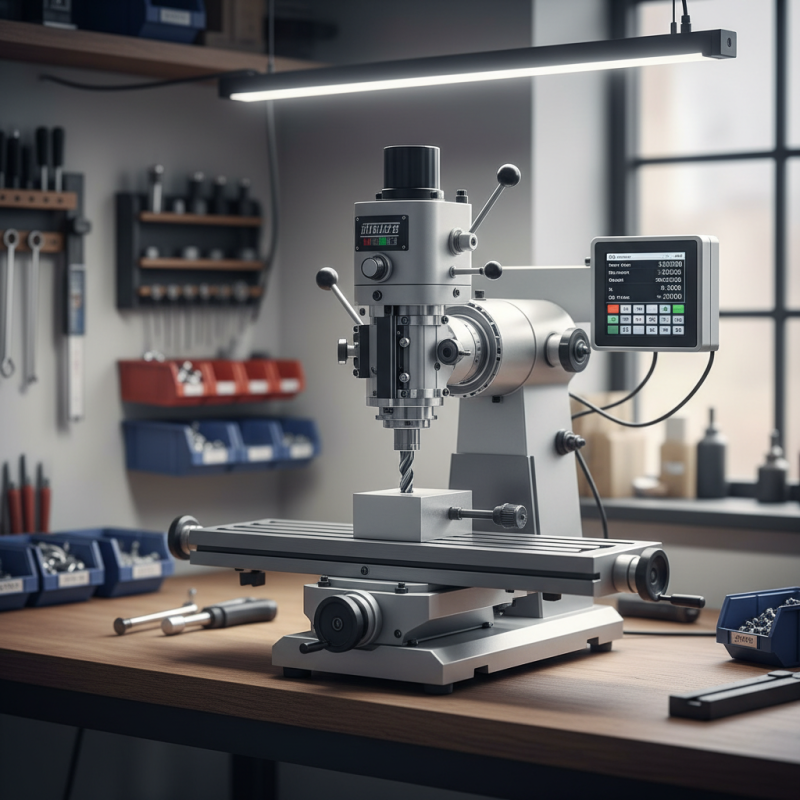
What is the Best Bench Top Milling Machine for Your Workshop?

Factors to Consider When Choosing a Bench Top Milling Machine

Choosing the right bench top milling machine requires careful consideration of several factors. One key aspect is the machine's size and weight. A compact model can save space, but it might limit your projects. Larger machines often provide more stability, especially for heavier materials. According to a recent industry report, the ideal size for most hobbyists is between 300mm to 600mm on the bed length.

Another important factor is the machine's spindle speed and power. Higher spindle speeds enable smoother cuts and better finishes. A report by the Manufacturing Institute suggests that machines with adjustable speed settings offer greater versatility for different materials. However, machines with too high a speed can generate excess heat, risking damage.

Lastly, consider the ease of use and available features. Some machines come with digital readouts for precision. Others have manual controls, which can be harder for beginners. Despite the temptation to choose advanced features, simplicity often leads to better outcomes for novice users. Always assess what you truly need versus what's appealing on the surface. Balancing these factors will guide you toward a suitable bench top milling machine for your workshop.

Types of Bench Top Milling Machines Available on the Market

When choosing a bench top milling machine, it’s essential to understand the types available. There are primarily three types: vertical, horizontal, and combination mills. Vertical mills are popular for their versatility. They provide precision for detailed work, making them ideal for hobbyists and professionals alike. Reports suggest that around 60% of users prefer vertical mills for small-scale projects.

Horizontal mills offer a different approach. They excel in cutting larger pieces as they have a more robust structure. However, some users find them less intuitive. According to industry surveys, only 25% of milling machine users opt for horizontal mills. This low percentage often reflects the learning curve associated with their operation. Users need to invest time to master them.

Combination mills combine features of both types. They appeal to those with limited space. However, they may not perform as well as dedicated machines. Many users report frustration when switching between milling types. Therefore, it’s important to assess machinery needs carefully. Industry data also shows that more than 40% of shops have expressed dissatisfaction with multi-function tools. This indicates a clear need for clarity in machine selection.

Key Features of an Effective Bench Top Milling Machine

When choosing a bench top milling machine, key features play a crucial role. Look for a sturdy build and a solid frame to reduce vibrations. This ensures precision while milling. The machine should have an adjustable speed control. Different materials require different speeds for optimal results. A good range allows you to work efficiently.

Versatility is another essential aspect. A milling machine should accommodate various tools and accessories. This adaptability enhances functionality and allows you to tackle diverse projects. Consider the table size as well. A larger work surface provides more room for handling materials but can take up space.

Don’t overlook the importance of ease of use. A straightforward setup aids beginners, while advanced users appreciate thoughtful design. It should be easy to adjust and align. However, some machines may lack clear instructions. It can be frustrating. Reflect on your workflow needs to choose wisely.

Top Brands and Models for Bench Top Milling Machines

When considering top brands for bench top milling machines, quality is vital. Many options feature robust construction and precision engineering. These machines cater to hobbyists and professionals alike. Some models offer versatile tool capabilities, allowing for a variety of milling operations.

An ideal milling machine should have a responsive feed rate. This ensures accuracy when working on intricate designs. Look for features such as variable speed control and adjustable table height. These can enhance usability and performance. However, some models may be complex for beginners. The learning curve can be steep, leading to frustration over time.

Maintenance is another crucial aspect. Regular checks on components prevent unexpected downtimes. Users often overlook proper lubrication or cleaning, which can cause issues. Choosing a model that is easy to maintain can save time and effort. Ultimately, it’s about finding the right balance between features and usability. Making an informed choice requires careful consideration and perhaps trial and error.

What is the Best Bench Top Milling Machine for Your Workshop?

Model Max. Cutting Width (inches) Spindle Speed (RPM) Power (HP) Price Range (USD)
Model A 10 2000 1.5 $800 - $1000
Model B 12 3000 2 $1200 - $1500
Model C 8 2500 1 $600 - $800
Model D 15 4000 3 $1800 - $2200

Maintenance Tips for Your Bench Top Milling Machine

Maintaining your bench top milling machine is crucial for optimal performance. Regularly check the lubrication of moving parts. Use the right type of lubricant to avoid buildup. Neglecting lubrication can lead to wear and tear. It's easy to forget, but a little maintenance goes a long way.

Dust and debris can build up in the machine. This can affect precision and increase the risk of damage. Make it a habit to clean surfaces after each use. A simple brush can make a difference. Additionally, inspect all belts and cables regularly. Look for signs of fraying or wear. Replacing a worn belt is often overlooked but can save time and money.

Over time, the machine may need calibration. If you've noticed inconsistencies in your work, this might be the cause. Take the time to check alignment and settings. It can be a tedious task but ensure your work remains accurate. Regular maintenance is about small actions. Missing a few steps can lead to bigger issues later on.