Exploring the Best Air Handling Units in 2026 Trends and Innovations?
In the rapidly evolving realm of HVAC technology, air handling units (AHUs) stand at the forefront of innovation. By 2026, experts predict significant advancements that will reshape the industry. Renowned HVAC specialist, Dr. Emily Parker, states, "The future of air handling units lies in their ability to enhance energy efficiency and indoor air quality." Her insights highlight the ongoing pursuit of performance improvements.
As environmental concerns grow, the demand for sustainable solutions increases. Future AHUs will likely incorporate advanced filtration systems and smart technology. These innovations aim to optimize energy use while maintaining comfort. However, the journey toward perfection is not without challenges. Some systems may struggle with integration issues, requiring careful selection and installation.
Additionally, while manufacturers push boundaries, not every new feature proves beneficial. The marketplace is often rife with gimmicks that do not deliver real value. Stakeholders must remain vigilant to discern genuine advancements from fleeting trends. In this landscape, the evolution of air handling units presents both opportunities and hurdles for the industry.

Current Trends in Air Handling Units for 2026
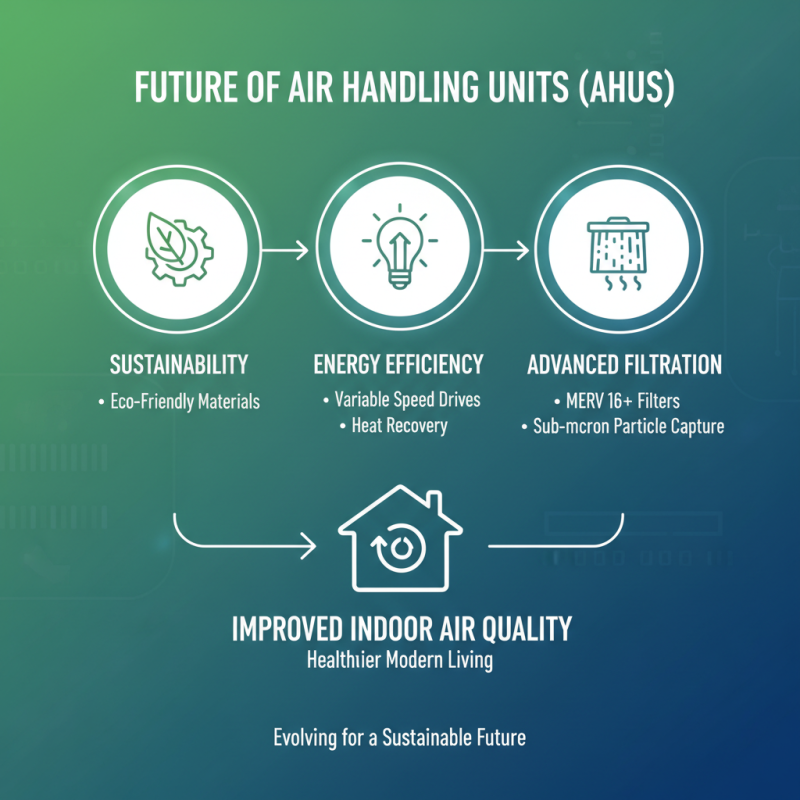
As we delve into the current trends for air handling units in 2026, energy efficiency remains at the forefront. Modern units are designed to minimize energy consumption while maximizing airflow. Features like variable speed drives adjust the fan speed as per the demand, providing both flexibility and savings. Smart sensors also play a significant role, continuously monitoring indoor air quality. This ensures that the system operates efficiently and responds actively to changes in the environment.
Another notable trend is the focus on sustainable materials. Manufacturers are increasingly using recyclable components in their designs. This move not only reduces waste but also appeals to environmentally conscious consumers. However, the shift comes with challenges. Sourcing sustainable materials can be more expensive, potentially increasing initial costs.
Moreover, integration with smart building systems is growing. Air handling units now connect seamlessly with centralized management platforms. This enhances system performance, but it also raises concerns about data privacy. As technology evolves, so does the need for robust security measures. The potential for hacking must be considered in future designs. Balancing innovation with reliability remains an ongoing challenge.
Innovative Technologies Shaping the Future of Air Handling Units
Air handling units (AHUs) are evolving rapidly. The future will focus on sustainable practices. Innovations in energy efficiency are key. For instance, advanced filtration systems are now capturing smaller particles. These systems improve indoor air quality, an essential aspect of modern living.
Another important trend is smart technology integration. Sensors and IoT capabilities allow real-time monitoring. This leads to better control of air flow and temperature. The data collected helps in predictive maintenance. However, this technology can be overwhelming for some users. Understanding how to interpret data is crucial.
Additionally, the design of AHUs is becoming more compact. This helps save space in urban settings. Yet, designers face challenges in balancing size and functionality. As innovations continue, manufacturers must address these issues. The demand for sustainability may conflict with cost efficiency. Achieving this balance is crucial for the future of air handling units.
Energy Efficiency and Sustainability in Air Handling Unit Design
As we approach 2026, the importance of energy-efficient air handling units (AHUs) becomes clearer. Designers focus on minimizing energy consumption while enhancing performance. These units are critical in improving air quality and ensuring comfort in various environments.
One significant trend is integrating advanced materials. These materials can significantly enhance insulation and reduce energy loss. Additionally, innovations in sensors allow real-time monitoring of air quality. These developments help maintain optimal indoor conditions. However, it's essential to evaluate whether these technologies are widely available and easy to implement.
Tips: Always check for energy ratings when selecting an AHU. Consider the lifecycle cost, not just the initial purchase price.
Another focus is sustainability in design. Many units now feature recyclable components and eco-friendly refrigerants. This approach aligns with global efforts to reduce environmental impact. Still, there may be challenges in sourcing these materials sustainably. Balancing performance, cost, and environmental responsibility can be difficult.
Tips: Stay informed about industry innovations. Engage with manufacturers about their sustainability practices.
Key Features to Look for in Modern Air Handling Units
When looking for modern air handling units, several key features stand out. Energy efficiency is crucial. Innovative designs now offer optimized airflow while reducing energy consumption. Many units include variable speed fans. This allows for better temperature control, leading to improved comfort levels. Efficient energy use can lower operational costs significantly over time.
Another feature worth considering is advanced filtration options. High-efficiency filters can capture smaller particles. This improves indoor air quality dramatically. Some units also include UV-C light technology. It helps eliminate bacteria and viruses. Enhanced air purity is now a priority for many users. However, installation may require professional assistance, which can add to initial costs.
Smart technology integration is increasingly popular. Many units can now be controlled remotely via apps. This offers convenience but raises concerns about data privacy. Users should weigh the benefits of smart functions against potential risks. While innovation provides exciting possibilities, it also demands a deeper understanding and reflection on how these systems affect daily life. Balancing advancements with practical considerations is essential for effective HVAC solutions.
Exploring the Best Air Handling Units in 2026 Trends and Innovations
| Feature |
Description |
Importance |
| Energy Efficiency |
Utilizes advanced technologies to minimize energy consumption. |
Reduces operational costs and environmental impact. |
| Smart Controls |
Integrates with IoT for optimized performance monitoring and control. |
Enhances operational efficiency and user comfort. |
| Modular Design |
Allows for easy upgrades and maintenance. |
Increases lifespan and flexibility of the system. |
| Air Quality Monitoring |
Sensors for real-time air quality assessment. |
Ensures a healthier indoor environment. |
| Noise Reduction |
Innovative designs to minimize operational noise. |
Contributes to a quieter space, enhancing comfort. |
Future Prospects and Challenges in Air Handling Unit Development
The future of air handling units (AHUs) is shaped by several key trends and challenges. The market demand for energy-efficient solutions continues to grow. In 2026, a report from a leading market analysis firm predicts a surge in demand for AHUs that employ smart technology. These systems can optimize airflow and reduce energy consumption significantly. The estimated global market for smart AHUs could reach $5 billion by 2026. Yet, many manufacturers struggle to meet these rising expectations.
Innovations in air quality monitoring present both opportunities and hurdles. As indoor air quality (IAQ) standards become stricter, AHUs must integrate advanced filtration systems. Current estimates indicate that nearly 80% of buildings fail to meet IAQ standards. This creates a pressing need for more effective solutions. However, implementing innovative technologies can be costly. Small and mid-sized companies may find the transition daunting.
Training staff on these new systems is often overlooked. This gap in knowledge can lead to improper operation. In an industry focused on precision, such oversight is concerning. The path forward requires investment in both technology and personnel. Balancing these challenges will define the success of AHUs in the coming years.
Trends in Air Handling Units: Innovations and Performance (2026)