
Skip to content

What are the Benefits of Hybrid VTOL Aircraft for Global Buyers?

The rise of Hybrid Vtol (Vertical Takeoff and Landing) aircraft is reshaping the aviation landscape. Experts like Dr. Robert Lang, an aerospace engineer at the University of Aerospace Technologies, emphasize the potential. He states, "Hybrid VTOL combines the best of both worlds, offering efficiency and flexibility." This innovation appeals to global buyers looking for versatile aircraft.

Hybrid VTOLs promise lower operational costs, reduced emissions, and significant time savings. These aircraft can take off and land in confined spaces, making them ideal for urban environments. Buyers are increasingly interested in these advantages. However, some challenges remain. Industry standards and regulations are still catching up with technology.

As the hybrid VTOL market develops, potential buyers must consider their specific needs. The technology is promising, but it requires careful evaluation. It's essential to weigh the pros and cons of adopting hybrid VTOL aircraft. This thoughtful approach will guide buyers toward making informed decisions.
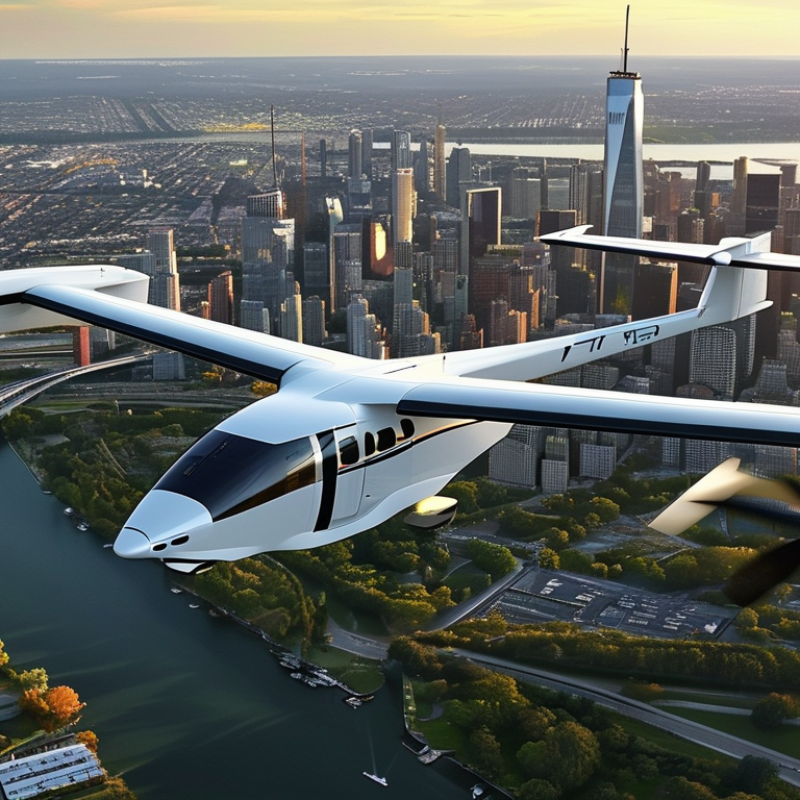
What are the Benefits of Hybrid VTOL Aircraft for Global Buyers?

Benefits of Hybrid VTOL Aircraft for Cost-Efficiency in Aviation

Hybrid VTOL aircraft offer significant advantages for global buyers, particularly in terms of cost-efficiency in aviation. According to industry reports, these aircraft reduce operational costs by approximately 30% compared to traditional aircraft. The hybrid design enhances fuel efficiency and reduces the reliance on conventional fuels, leading to lower expenses. This can be particularly beneficial for companies seeking sustainable solutions.

The versatility of hybrid VTOL aircraft allows them to operate in diverse environments, minimizing the need for expensive infrastructure. They can take off and land vertically, which eliminates the necessity for long runways. This capability saves time and reduces costs associated with infrastructure development. A recent analysis indicated that operational flexibility could result in savings of up to $1 million per year for regional carriers.

Additionally, hybrid VTOL aircraft promise lower maintenance costs. With fewer moving parts and the integration of electric components, these aircraft can reduce the frequency of repairs. However, the technology is still evolving, and long-term reliability remains a consideration. Nevertheless, projections suggest that as battery technology improves, operational costs will continue to decline, making these aircraft increasingly attractive for buyers.

Impact of Hybrid VTOL Aircraft on Urban Air Mobility Solutions

Hybrid VTOL (Vertical Takeoff and Landing) aircraft are set to revolutionize urban air mobility (UAM). These advanced vehicles can operate in congested urban environments, offering quick transportation solutions. According to a report from the International Air Transport Association, this sector could grow to be worth $1.5 trillion by 2040. This potential growth raises interesting questions about infrastructure, regulation, and public acceptance.

The impact of hybrid VTOL aircraft on UAM is profound. These aircraft can reduce travel times significantly. For example, a journey that usually takes 90 minutes by car could be completed in just 15 minutes. With the ability to carry passengers and cargo, hybrid VTOLs could ease urban congestion. Furthermore, they emit fewer pollutants compared to traditional helicopters. The European Union's aviation agency estimates that adopting these vehicles could reduce urban transport emissions by up to 30%.

Tip: Urban planners must consider dedicated landing zones to maximize the efficiency of hybrid VTOL services. This requires collaboration between technology providers and local governments. Engaging communities early can foster acceptance and address concerns.

Despite these benefits, challenges remain. There are regulatory hurdles and noise pollution concerns. Technologies need further development to ensure safety and reliability. Authorities must carefully assess the environmental impact before widespread adoption. Local feedback is essential in shaping these future transport systems.

Environmental Advantages of Hybrid VTOL Aircraft in Reducing Emissions

Hybrid Vertical Takeoff and Landing (VTOL) aircraft present a significant opportunity for global buyers, particularly in environmental contexts. These innovative vehicles leverage both electric power and traditional fuel engines. According to a recent report by the International Air Transport Association (IATA), hybrid VTOLs can reduce greenhouse gas emissions by up to 50% compared to conventional aircraft. This reduction plays a crucial role in mitigating climate change.

Additionally, hybrid VTOL designs minimize noise pollution, making them suitable for urban environments. The noise footprint of these aircraft can be as much as 65% quieter than traditional helicopters, as noted in a study by the European Union Aviation Safety Agency (EASA). This is essential for cities that are increasingly concerned about the impact of noise on residents. However, challenges remain. The sustainability of battery production and disposal is still debated. Experts suggest that as technology evolves, these issues may be addressed more effectively.

The operational flexibility of hybrid VTOLs also contributes to their environmental appeal. They can operate in remote areas with minimal infrastructure. This aspect can mitigate the need for lengthy travel distances, thus reducing overall fuel consumption. The benefits are apparent, yet ongoing research and refinements are necessary to maximize the environmental advantages of hybrid VTOL technology.

Environmental Advantages of Hybrid VTOL Aircraft in Reducing Emissions

Technological Innovations in Hybrid VTOL Aircraft Enhancing Performance

Hybrid VTOL aircraft are making significant strides in the aviation industry due to technological innovations. These aircraft combine the vertical takeoff and landing capabilities with hybrid propulsion systems, enhancing their efficiency and sustainability. According to a recent industry report, hybrid VTOL technology can reduce fuel consumption by up to 30%. This is crucial as the aviation sector aims to meet carbon neutrality goals by 2050.

The advancements in battery technology have also propelled the performance of hybrid VTOLs. Modern batteries offer a higher energy density, which extends flight range and reduces the need for frequent recharge. Reports suggest that new hybrid VTOL models can achieve speeds over 200 knots while maintaining a noise footprint significantly lower than conventional aircraft. However, challenges still exist in battery limitations and charging infrastructure, which need to be addressed for widespread adoption.

Moreover, the integration of autonomous systems in hybrid VTOL aircraft enhances safety and operational efficiency. Advanced flight control systems enable these aircraft to operate in complex environments. This technology can minimize pilot workload and improve response times during emergencies. Nevertheless, concerns regarding cybersecurity and reliability of these systems remain issues that require ongoing attention from manufacturers and regulatory bodies.

What are the Benefits of Hybrid VTOL Aircraft for Global Buyers? - Technological Innovations in Hybrid VTOL Aircraft Enhancing Performance

Benefit Description Potential Impact Market Application
Increased Efficiency Hybrid VTOL aircraft combine electric and conventional propulsion, leading to reduced fuel consumption. Lower operating costs, making air travel more affordable. Urban air mobility, cargo transport.
Shorter Takeoff and Landing Ability to take off and land vertically allows access to remote locations without extensive infrastructure. Expanded service areas and convenience for users. Emergency services, regional travel.
Environmental Sustainability Hybrid technology reduces emissions compared to traditional aircraft. Supports global initiatives for reducing carbon footprint. Passenger transport, logistics.
Enhanced Safety Redundant systems in hybrid VTOLs improve safety during flight. Increases confidence in air travel among potential users. Business travel, tourism.
Technological Advancements Incorporation of AI and IoT for improved navigation and operating efficiency. Greater connectivity and improved passenger experience. Smart city applications, personal transport.

Market Trends and Future Demand for Hybrid VTOL Aircraft Globally

The rise of hybrid VTOL (Vertical Take-Off and Landing) aircraft is reshaping the aviation industry. Buyers worldwide are increasingly interested in these innovative machines. They combine the benefits of fixed-wing efficiency with rotorcraft’s agility. This unique design allows for shorter travel times and access to remote areas.

Market trends show growing demand for hybrid VTOL aircraft in urban air mobility and emergency services. Cities seek solutions for traffic congestion. Hybrid VTOL offers a chance to connect with hard-to-reach locations quickly. Sustainable air travel is becoming more important. These vehicles often use electric propulsion, reducing emissions and increasing environmental appeal.

Tips: Research regional regulations on airspace. Understanding requirements can help avoid complications. Think about potential operational costs. While hybrid VTOL systems may seem efficient, initial investments can be high. Balancing cost and benefits is essential for informed decisions. Buyers should also consider maintenance and support services. A reliable network can greatly enhance operational success.

Article Source: