
Skip to content

Top 10 Benefits of Using GFRP Rebars in Construction?

In modern construction, the use of gfrp rebars is gaining momentum. These fiberglass-reinforced polymer bars provide a unique solution for various structural challenges. Their lightweight nature and resistance to corrosion make them a preferred choice in many projects.

Traditional steel bars, while effective, can suffer from rust and degradation over time. gfrp rebars, on the other hand, promise longevity and minimal maintenance. This shift not only reduces life-cycle costs but also enhances structural integrity.

It's crucial to recognize that GFRP rebars are still a developing technology. Engineers continue to explore their full potential and limitations. As the industry evolves, adopting innovative materials like GFRP rebars can lead to more sustainable building practices. Understanding these benefits is essential for future construction endeavors.
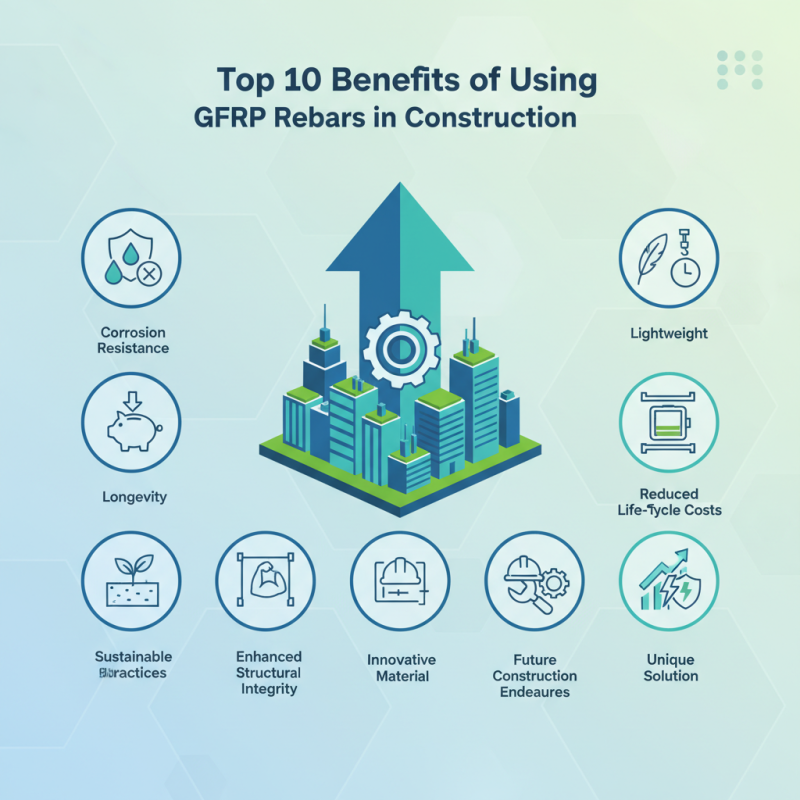
Top 10 Benefits of Using GFRP Rebars in Construction?

Overview of GFRP Rebars and Their Composition

GFRP rebars, or Glass Fiber Reinforced Polymer rebars, offer significant advantages in construction. Made from a composite of glass fibers and resin, they provide strength without the weight of traditional steel. These materials resist corrosion, making them ideal for harsh environments. Their durability ensures a longer lifespan for structures, reducing maintenance costs.

Tips for using GFRP rebars effectively include ensuring proper alignment during installation. This helps maintain structural integrity. Always consider the environmental factors. Moisture and temperature can affect performance. Proper training for workers on handling GFRP is crucial. They need to learn the best practices for cutting and bending these materials.

Despite their benefits, some challenges exist with GFRP usage. It can be more costly initially compared to steel. Designers must also consider bond strength with concrete. If the bond is weak, the advantages of using non-corrosive materials might not be realized. Manufacturers are continually improving the technology, which helps address these issues.

Top 10 Benefits of Using GFRP Rebars in Construction

This chart illustrates the top 10 benefits of using GFRP (Glass Fiber Reinforced Polymer) rebars in construction, showcasing their advantages over traditional steel rebars.

Key Advantages of GFRP Rebars in Corrosion Resistance

GFRP (Glass Fiber Reinforced Polymer) rebars are gaining traction in the construction industry, particularly for their outstanding corrosion resistance. Traditional steel reinforcing bars suffer from corrosion, leading to costly repairs and reduced structural integrity. Studies show that corrosion can reduce the lifespan of concrete structures by up to 50%. In stark contrast, GFRP rebars resist environmental factors and have a corrosion resistance lifespan that can exceed 100 years.

One key aspect of GFRP rebars is their lightweight nature. This can make transportation and handling simpler and cheaper. Reducing weight can also lead to lower foundation requirements. According to the American Concrete Institute, using GFRP instead of steel can lead to an average weight reduction of 75%. This leads to easier installation and decreased labor costs.

Tip: Always ensure quality by sourcing GFRP materials from reputable suppliers. Verify certifications and conduct independent tests if necessary.

Incorporating GFRP rebars also enhances the durability of structures exposed to harsh environments, like coastal areas. However, there are challenges in terms of bond strength with concrete. This requires careful consideration during design and construction phases. Engineers must balance the benefits and challenges to achieve optimal performance.

Top 10 Benefits of Using GFRP Rebars in Construction

Benefit Description Impact
Corrosion Resistance GFRP rebars are immune to corrosion, thereby extending the lifespan of structures. Increased durability and reduced maintenance costs.
Lightweight GFRP rebars are significantly lighter than steel, making them easier to handle. Lower transportation costs and easier installation.
High Strength-to-Weight Ratio Offers comparable or superior strength to traditional materials at reduced weight. Enhanced structural performance.
Non-Magnetic GFRP rebars do not interfere with electromagnetic fields. Ideal for applications in sensitive environments like hospitals and laboratories.
Thermal Conductivity Low thermal conductivity helps in reducing thermal bridging. Improved energy efficiency of structures.
Chemical Resistance Resistant to harsh chemicals and environmental conditions. Extended application in critical environments.
Design Flexibility Can be molded into various shapes and sizes as required by design. Enhanced architectural creativity.
Cost-Effectiveness Reduces lifecycle costs due to lower maintenance and replacement rates. Long-term savings for construction projects.
Sustainability Made from renewable materials, contributing to sustainable construction practices. Positive environmental impact and compliance with green building standards.
Aesthetic Appeal Can be manufactured in various colors and finishes. Enhanced visual characteristics of structures.

Impact of GFRP Rebars on Weight Reduction in Construction

GFRP (Glass Fiber Reinforced Polymer) rebars are transforming construction. One compelling advantage is their notable impact on weight reduction. Compared to traditional steel, GFRP rebars are significantly lighter. This weight reduction can enhance material handling on site. Lightweight materials contribute to easier transportation and less fatigue for laborers.

When employing GFRP rebars, consider the design of your structure. For instance, lighter materials may allow for larger spans between supports. This can create more open spaces in a building, achieving a modern aesthetic. It's important to analyze the project's specific needs. Not all projects benefit equally from GFRP's lighter weight.

Tips: Always assess the structural integrity when switching to GFRP. Verify that the reduction in weight won’t compromise safety. Collaborate with a structural engineer to ensure compliance. Keep in mind, while GFRP rebars offer many advantages, they may not universally replace traditional methods. Each project has unique requirements that need careful consideration.

GFRP Rebars and Their Contribution to Structural Durability

GFRP (Glass Fiber Reinforced Polymer) rebars are revolutionizing construction, particularly when it comes to structural durability. Unlike traditional steel, GFRP rebars resist corrosion from chemicals and moisture. This quality significantly extends the lifespan of structures. For instance, bridges and highways constructed with GFRP rebars show minimal wear even in harsh environments.

Moreover, GFRP rebars are lightweight. Their ease of handling allows for faster installation, which can reduce labor costs. However, it is crucial to carefully design for load-bearing applications. Some engineers remain skeptical about their long-term performance under extreme stress. Testing continues to improve our understanding of their limitations.

Additionally, GFRP's thermal properties can enhance energy efficiency in construction. However, the initial investment is higher than steel. This prompts a crucial reflection: is the reduced maintenance cost worth the upfront price? Each project should weigh these factors carefully, acknowledging that while GFRP offers notable benefits, reliance on any material requires thoughtful consideration.

Cost-Effectiveness of Utilizing GFRP Rebars in Modern Projects

Using GFRP (Glass Fiber Reinforced Polymer) rebars in construction can offer significant cost advantages in modern projects. According to recent industry studies, GFRP rebars can reduce overall material costs by approximately 30% compared to traditional steel options. One major reason is their lightweight nature, which minimizes transportation and handling expenses. Construction workers can easily manage GFRP rebars on-site, reducing labor costs and improving efficiency.

Furthermore, GFRP rebars are corrosion-resistant, leading to lower maintenance costs over time. A study from the American Concrete Institute states that structures reinforced with GFRP can last up to two times longer than those with steel reinforcements. This longevity translates into substantial savings for project stakeholders. Though the initial investment in GFRP may be higher, over the life cycle of a project, maintenance savings often offset these costs.

However, challenges exist. Not all construction scenarios may benefit equally from GFRP. The material’s performance in extreme temperatures remains a topic of discussion among engineers. Additionally, there is a learning curve for contractors unfamiliar with GFRP installation techniques. It is crucial to approach these concerns carefully, weighing immediate expenses against long-term economic benefits.

Article Source: