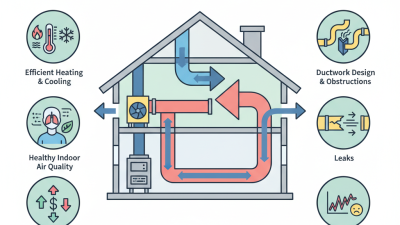
Air handling units (AHUs) play a pivotal role in modern HVAC systems, providing essential functions that enhance efficiency and comfort. According to a report by the American Society of Heating, Refrigerating and Air-Conditioning Engineers (ASHRAE), properly designed AHUs can improve energy efficiency by up to 30%. This significant reduction aligns with industry goals for sustainability and cost-effectiveness.
Renowned HVAC expert Dr. Emily Chang asserts, “The integration of advanced air handling units can transform building environments.” This statement reflects the growing reliance on AHUs to manage air quality and temperature. Businesses increasingly recognize that investing in a high-quality air handling unit directly affects operational costs and occupant comfort.
However, as we prioritize these systems, challenges remain. Some facilities struggle with outdated equipment, failing to reap the full benefits of modern AHUs. Regular maintenance often falls short due to budget constraints or lack of expertise. As we explore the benefits of air handling units, acknowledging these gaps is crucial for future advancements in HVAC technology.
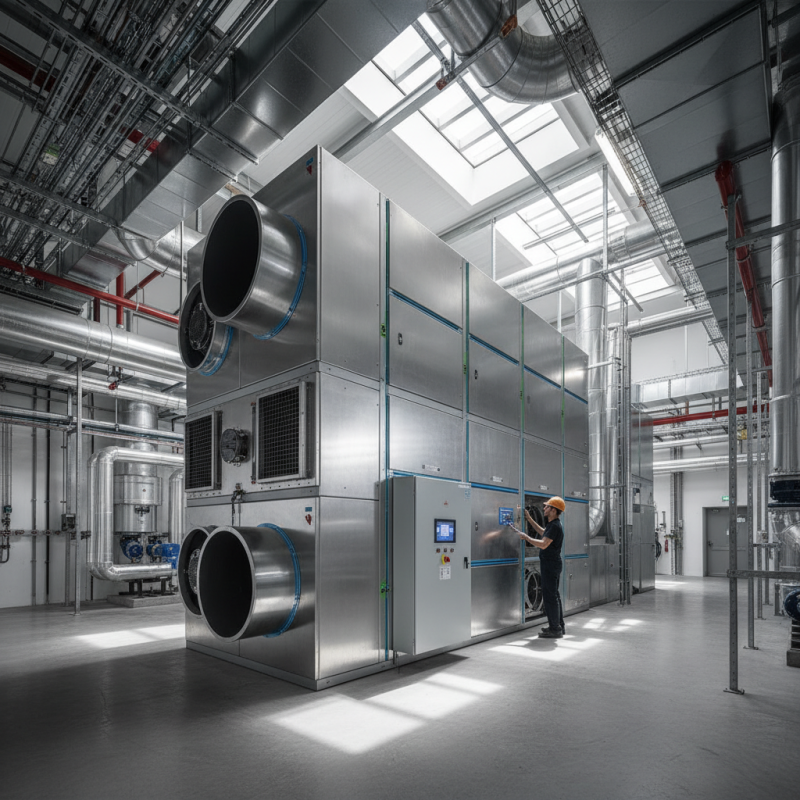
Air Handling Units (AHUs) play a crucial role in HVAC systems. They are responsible for circulating and conditioning air, ensuring optimal indoor air quality. AHUs filter, heat, and cool the air before distributing it through ductwork. This process maintains a comfortable environment in residential, commercial, and industrial spaces.
According to recent industry reports, using AHUs can significantly enhance energy efficiency. Research shows that proper air handling can lead to energy savings of up to 30%. This reduction not only lowers utility costs but also minimizes the environmental impact. Effective air handling contributes to better air quality, which is vital for health. It helps in removing pollutants and allergens from the air.
Tips for selecting the right AHU include assessing the size and capacity needed for your space. It's essential to choose a unit that matches your HVAC system's requirements. Regular maintenance is also vital. Neglecting this can lead to reduced efficiency and airflow issues. Always monitor the air filters and keep them clean to sustain optimal performance.
Air Handling Units (AHUs) play a vital role in HVAC systems. They enhance air quality significantly through advanced filtration and ventilation strategies. This means cleaner air in your space. Filters within AHUs capture dust, allergens, and pollutants. As a result, indoor air becomes fresher and healthier.
Tips: Regularly check and replace filters monthly. This simple task boosts air quality. Monitor humidity levels too. High humidity can lead to mold growth, even with good filtration.
Ventilation strategies are equally important. AHUs can mix outdoor air with indoor air. This process not only reduces contaminants but also regulates temperature. Yet, homes often overlook outdoor air quality. Nearby traffic or construction can introduce new pollutants.
Tips: Install CO2 monitors to gauge indoor air health. If levels rise, consider increasing outdoor ventilation. Balance is essential. Too much outdoor air can strain your HVAC system. Finding the right balance takes effort. Experiment to discover what works best in your space.
Air handling units (AHUs) play a crucial role in enhancing energy efficiency in HVAC systems. They manage air circulation and help filter pollutants. By incorporating AHUs, buildings can maintain optimal indoor air quality while reducing energy costs. A well-designed AHU can automatically adjust airflow based on the number of occupants, saving energy during low usage periods.
Tips: Regular maintenance of AHUs is key. Check filters often to ensure they are clean. Dirty filters can reduce efficiency and increase operational costs.
Properly sized AHUs help avoid energy waste. An oversized unit may cycle frequently, causing wear and tear. This not only increases energy bills but also reduces the life span of the equipment.
Incorporating advanced sensors can significantly enhance energy efficiency. These sensors monitor temperature and humidity, allowing the AHU to adjust performance in real-time. Small adjustments can lead to substantial savings over time.
| Benefit | Description | Energy Efficiency Improvement (%) | Additional Savings ($/year) |
|---|---|---|---|
| Improved Air Quality | Better filtration and ventilation lead to cleaner air. | 15% | $500 |
| Energy Recovery | Utilizes heat recovery for ventilation efficiency. | 20% | $750 |
| System Flexibility | Can be tailored to different building sizes and layouts. | 10% | $300 |
| Reduced Noise Levels | Designed to minimize operational noise. | 5% | $200 |
| Temperature Control | Consistent temperature regulation throughout the space. | 12% | $400 |
| Easy Maintenance | Simplified access to components for servicing. | 8% | $250 |
| Automation Capabilities | Integration with smart building technology for optimal control. | 18% | $600 |
| Cost Savings | Lower operational costs due to energy efficiency. | 25% | $1000 |
| Longer Equipment Lifespan | Improved efficiency can reduce wear and tear. | 10% | $350 |
| Compliance with Standards | Helps meet energy efficiency and environmental regulations. | 15% | $500 |
Air handling units (AHUs) play a critical role in HVAC systems. They not only enhance air quality but also contribute to cost-effectiveness over time. According to industry reports, using AHUs can reduce energy consumption by up to 30%. This efficiency leads to significant savings on utility bills. In long-term operations, the investment in AHUs pays off through reduced maintenance costs and improved overall system performance.
Tip: Regular maintenance of AHUs can extend their lifespan. This simple measure prevents costly repairs and enhances energy efficiency. A properly functioning AHU can result in average energy savings of about 20%, making a huge difference in long-term costs.
While the benefits of AHUs are clear, it’s important to consider the initial setup costs. These units can be expensive to install, and this may deter some organizations. However, not investing in AHUs can lead to higher operational costs. It’s essential to weigh the short-term costs against long-term savings.
Tip: Explore energy rebates and incentives when installing AHUs. Many local utilities offer programs that significantly lower initial costs. Ensure to research these opportunities. They can be a game-changer for budget-conscious projects.
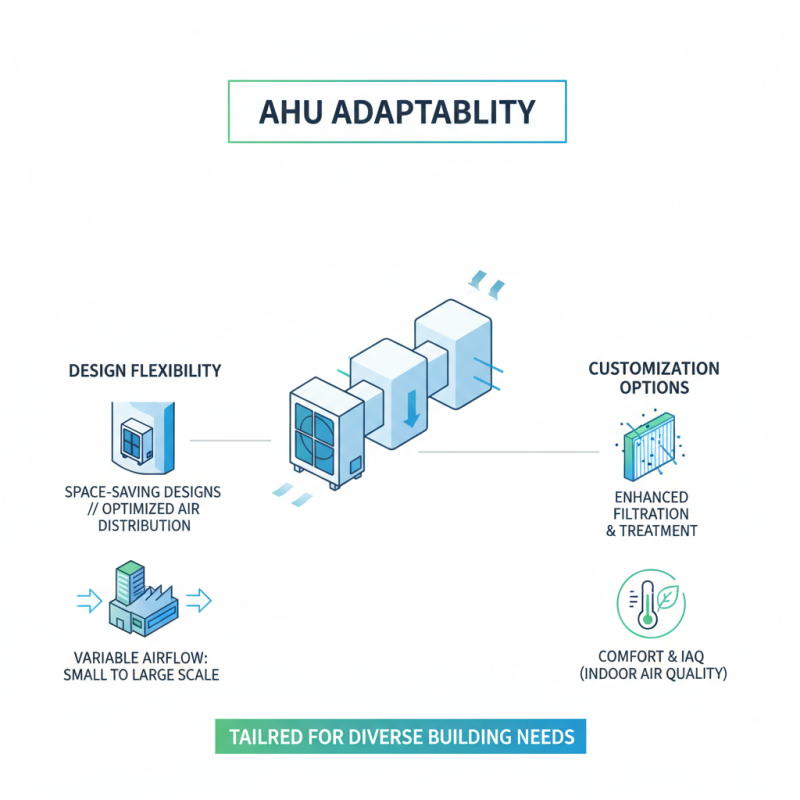
Air handling units (AHUs) offer remarkable flexibility in design and customization. This adaptability makes them a perfect fit for various building needs. For instance, an AHU can be tailored to fit into tight spaces while optimizing air distribution. Different configurations allow for varying airflow rates, catering to both small offices and large industrial setups. Customization options also include how air is filtered and treated, ensuring the indoor environment is both comfortable and healthy.
Designing an efficient HVAC system can be a complex task. It requires careful consideration of the specific requirements of each building. A well-designed AHU can help mitigate some common challenges, such as inconsistent temperatures. However, it’s essential to regularly reassess the effectiveness of these systems. Sometimes, the initial setup may not meet evolving demands. Periodic adjustments and upgrades may be necessary. This ongoing evaluation can enhance performance and sustainability, ensuring that the system remains efficient.