
Skip to content

What Are Belt Dryers For Biomass and How Do They Work?

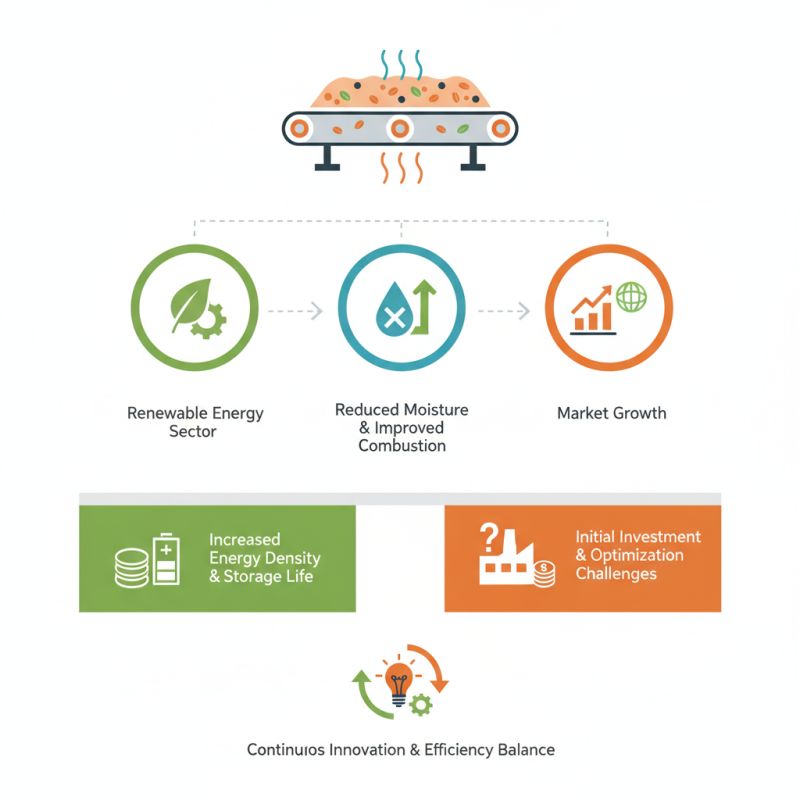
Belt Dryers For Biomass are essential in the renewable energy sector. They provide a cost-effective way to reduce moisture content in biomass materials. According to the International Energy Agency, biomass can represent up to 14% of the global energy supply. Efficient drying processes increase energy density and improve combustion efficiency.

Belt dryers for biomass utilize a continuous drying method. This technology ensures uniform drying, which is crucial for high-quality end products. Studies show that removing moisture can significantly enhance storage life, minimizing the risk of spoilage. However, the initial investment can be substantial, and not all facilities achieve optimal drying.

The belt dryer market is growing rapidly. Reports indicate a projected market growth of over 8% annually until 2027. While the advantages are clear, achieving the perfect balance between energy consumption and drying efficiency remains a challenge. Continuous innovation is necessary to enhance dryer designs and address different biomass materials effectively.
What Are Belt Dryers For Biomass and How Do They Work?

What Are Belt Dryers and Their Role in Biomass Processing

Belt dryers are essential in biomass processing. They efficiently reduce moisture content, preparing materials for further use. Biomass, such as wood chips or agricultural residues, often has high moisture levels. Excess moisture can hinder combustion efficiency and result in energy losses. According to a report by the International Renewable Energy Agency, the right drying process can improve energy yield by up to 15%.

The operation of belt dryers involves continuous movement. Material spreads on a conveyor belt, passing through heated air zones. This design maximizes heat transfer and minimizes drying time. Continuous processing means high throughput. An efficient system might reach moisture content as low as 10%, which is ideal for biomass energy applications. However, the energy consumption of drying machines can account for 30% of biomass processing expenses.

Tips: Regular maintenance of belt dryers ensures optimal performance. Monitoring moisture levels accurately can reduce energy costs significantly. Consider the variations in biomass types; adjusting drying parameters can lead to better results. Overlooking such details can result in inefficiencies and higher operational costs.

Principles of Operation for Belt Dryers in Biomass Applications

Belt dryers are essential for biomass applications. They help reduce moisture content in various organic materials. The principle of operation involves passing biomass over a continuous belt. Hot air is circulated through the material, evaporating moisture efficiently. This process is crucial for improving the energy density of biomass, making it easier to handle and transport.

Understanding the drying process is vital. The belt's speed, temperature, and humidity must be carefully controlled. If the moisture removal is too slow, it may lead to spoilage. If it's too fast, it could damage the biomass fibers. Finding the right balance is key to optimal performance.

Tips: Regularly monitor the drying environment. Adjust air flow and temperature to match the biomass type. Consider using sensors to track moisture levels accurately. This can prevent potential issues before they arise. Ensure to clean the belt periodically to maintain efficiency.

Key Components of Belt Dryers Used in Biomass Drying

Belt dryers are crucial in biomass drying applications. These systems are designed to remove moisture from various biomass materials. Understanding their key components is essential for optimizing drying efficiency.

The primary component is the conveyor belt, which transports biomass through the dryer. This belt is made from durable materials, ensuring it can withstand high temperatures and humidity. Another vital part is the heating system, which typically uses hot air or steam. The heating system increases the temperature around the biomass, effectively evaporating moisture.

Airflow is equally important. Proper airflow ensures even drying. Fans are used to circulate air, promoting consistent heat distribution. Additionally, there are moisture sensors that help monitor the drying process. These sensors provide data that can adjust drying parameters automatically. Despite these advancements, issues can arise, such as uneven drying or inadequate airflow. Regular maintenance and careful monitoring are necessary to address these challenges.

What Are Belt Dryers For Biomass and How Do They Work? - Key Components of Belt Dryers Used in Biomass Drying

Component Description Function Materials Used
Belt Conveyor A continuous moving belt that transports biomass through the dryer. Ensures even distribution and movement of biomass during drying process. Stainless Steel, Rubber
Heating Element Provides the necessary heat to evaporate moisture from the biomass. Heats air that circulates through the drying chamber. Electric, Gas, Biomass
Airflow System Circulates hot air through the dryer for effective drying. Facilitates moisture removal from biomass. Fans, Ducts
Control System Regulates temperature, airflow, and drying time. Ensures optimal drying conditions are maintained. Sensors, Programmable Logic Controllers
Drying Chamber The enclosure where the biomass is dried. Protects against outside elements while facilitating drying. Galvanized Steel, Insulation Materials

Benefits of Using Belt Dryers for Biomass Materials

Belt dryers for biomass offer significant advantages, especially in efficiency and scalability. These systems utilize a conveyor belt to transport biomass through a heated chamber. As the material moves, warm air circulates, promoting moisture evaporation. This method ensures uniform drying, which is crucial for maintaining the quality of biomass materials.

One key benefit of belt dryers is their energy-saving potential. They often require less energy compared to traditional drying methods. The continuous operation of the belt allows for a steady feed of biomass, reducing downtime. Additionally, operators can adjust the temperature and air flow to suit different types of materials. This adaptability enhances the drying process, although different biomass species may respond unpredictably.

However, there are challenges in implementing belt dryers. The initial investment can be significant, which might deter some users. Regular maintenance is also required to ensure efficiency. It’s essential to monitor the drying process closely, as improper settings can lead to uneven moisture levels. These factors necessitate careful planning and operation to achieve optimal results.

Common Applications and Industries Utilizing Belt Dryers for Biomass

Belt dryers for biomass play a crucial role across various industries. They are especially prominent in agriculture, bioenergy, and food processing. These dryers are designed to remove moisture from biomass materials efficiently. Reports indicate that the global biomass dryer market is projected to grow by 5.8% annually, highlighting the increasing need for effective drying solutions.

In agriculture, belt dryers help preserve yields by drying grains and vegetables. They ensure uniform moisture content, which is essential for storage and processing. The food industry also benefits from these dryers. For instance, they are used to dehydrate fruits and vegetables, enhancing product shelf life without chemical additives. A recent study found that dried fruits retain up to 90% of their nutrients, making them attractive to health-conscious consumers.

However, the deployment of belt dryers is not without challenges. Energy consumption remains a concern, as efficient operation is crucial for sustainability. Industries often struggle with balancing cost and performance. Additionally, proper maintenance is vital to ensure optimal drying results. In some cases, operators may overlook the importance of regular checks, leading to inefficiencies that affect overall production. These factors necessitate ongoing evaluation and adjustment in operations to achieve the best outcomes in biomass processing.