Skip to content

What is Airflow in HVAC Systems and Why is it Important?

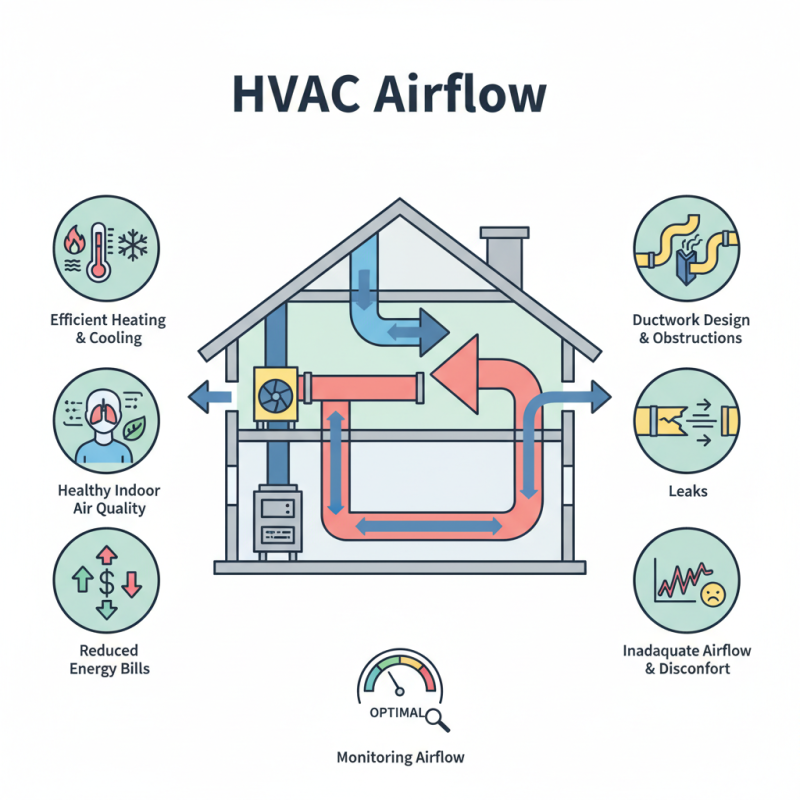
Airflow in HVAC systems plays a crucial role in maintaining indoor comfort. Proper airflow ensures efficient heating and cooling. If airflow is inadequate, it can lead to uneven temperatures and increased energy bills.

Understanding airflow hvac is essential for homeowners and building managers. Good airflow promotes healthy indoor air quality. It circulates fresh air, reduces allergens, and manages humidity levels. However, many systems face challenges in achieving optimal airflow.

Ductwork design, obstructions, and leaks can hinder performance. Ignoring these issues may result in discomfort and higher operating costs. Monitoring airflow regularity should be a priority. Reflecting on airflow efficiency can help improve HVAC system functionality.
What is Airflow in HVAC Systems and Why is it Important?

What is Airflow in HVAC Systems?

Airflow in HVAC systems refers to the movement of air through heating, ventilation, and air conditioning units. Proper airflow is crucial for maintaining indoor comfort and air quality. According to the U.S. Department of Energy, optimal airflow can significantly reduce energy consumption, thus lowering utility costs.

Effective airflow ensures that conditioned air is distributed evenly throughout a space. This prevents hot or cold spots, enhancing comfort. Studies have shown that offices with proper airflow improve productivity and reduce absenteeism. However, many HVAC systems do not achieve the recommended airflow rates. This can happen due to poor design, lack of maintenance, or blockages in the ductwork.

The efficiency of an HVAC system can drop drastically with inadequate airflow. For instance, the U.S. Environmental Protection Agency indicates that up to 30% of energy used in HVAC systems is wasted due to airflow issues. Regular duct inspections and maintenance are vital. Sometimes, people overlook simple tasks, like changing filters, which can cause significant airflow restrictions.
Key Components Influencing Airflow in HVAC Design

Airflow is a critical element in HVAC systems. It directly impacts comfort and energy efficiency. Proper airflow ensures that heating and cooling are effective throughout a space. Several key components influence airflow in HVAC design.

One crucial component is duct size. Ducts must be appropriately sized. If they are too small, airflow is restricted. If they are too large, energy efficiency can suffer. It’s vital to calculate duct size based on the total load of the building.

Another important factor is filters. Clean filters allow for better airflow. Clogged filters can reduce efficiency. Replace or clean filters regularly. This small task can greatly improve indoor air quality.

Tips: Always check the return vents. Blocked vents can lead to uneven airflow. Also, consider having a professional assess your HVAC system. They can identify areas that need improvement. Sometimes small, overlooked details make a big difference in system performance.

Airflow in HVAC Systems: Key Factors Influencing Performance

Importance of Proper Airflow for Energy Efficiency

What is Airflow in HVAC Systems and Why is it Important?

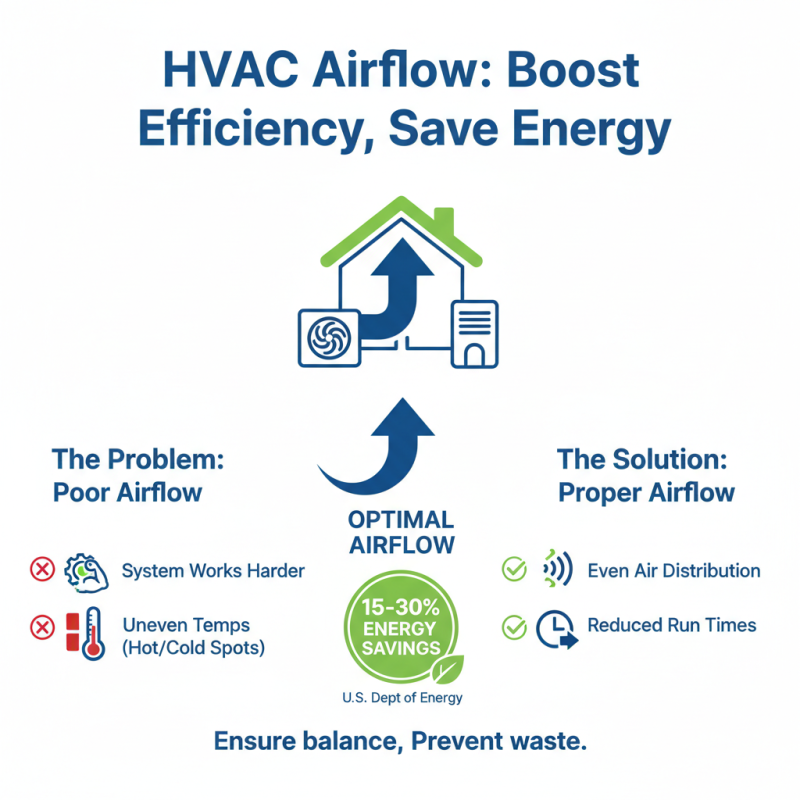
Proper airflow is essential in HVAC systems for optimizing energy efficiency. When airflow is inadequate, systems work harder. According to the U.S. Department of Energy, ensuring proper airflow can lead to energy savings of 15-30%. A well-designed airflow system distributes heated or cooled air evenly, preventing hotspots and cool drafts. This balance ensures that systems do not run longer than necessary.

However, achieving ideal airflow is not straightforward. Many buildings experience airflow issues due to poor duct design or obstruction. A recent study found that nearly 30% of HVAC systems are improperly sized or installed. This misalignment can lead to increased energy consumption, ultimately raising utility costs. Unfortunately, many users overlook routine maintenance, which can exacerbate these issues.

Monitoring airflow regularly is vital. Simplistic pressures like air filters getting clogged can limit airflow. The EPA states that regular maintenance can enhance system efficiency by up to 10%. Yet, many property owners neglect this task. Balancing energy conservation with maintenance is challenging. It requires continuous attention and willingness to adapt, which many are hesitant to do.

Impact of Airflow on Indoor Air Quality and Comfort

Airflow plays a crucial role in HVAC systems, directly influencing indoor air quality and comfort. Proper airflow ensures that fresh air is circulated throughout a space while also removing contaminants. According to the American Society of Heating, Refrigerating and Air-Conditioning Engineers (ASHRAE), optimal indoor air quality requires a minimum ventilation rate of about 15 cubic feet per minute (CFM) per person. Insufficient airflow can lead to a buildup of pollutants, making it essential to monitor and adjust airflow rates in buildings.

A well-designed airflow system can significantly affect occupant comfort. Striking the right balance prevents drafts and temperature inconsistencies. A study from the Indoor Air Quality Association reported that nearly 50% of occupants feel discomfort due to poor airflow distribution. This might lead to a negative impact on productivity and well-being. If complaints about air quality arise, it’s worth evaluating and adjusting airflow patterns.

Tips: Regular maintenance of HVAC systems helps maintain airflow efficiency. Check air filters monthly and replace them as needed. Consider implementing air quality monitors. These devices can provide insights into pollutant levels and airflow effectiveness. Monitoring can help identify issues early and improve indoor air quality.

What is Airflow in HVAC Systems and Why is it Important?

Aspect Description Impact on Indoor Air Quality Impact on Comfort
Airflow Rate The volume of air circulated by the HVAC system, typically measured in CFM (Cubic Feet per Minute). Adequate airflow helps dilute indoor pollutants and can prevent the buildup of harmful aerosols. Proper airflow ensures uniform temperature distribution, enhancing overall comfort levels in the space.
Duct Design The layout and size of ductwork through which air flows in the HVAC system. Well-designed ducts minimize air leakage and maintain good air quality by ensuring that fresh air reaches all areas. Efficient duct systems reduce drafts and temperature variations, leading to better thermal comfort.
Filtration The process of removing particles and pollutants from the air before it enters indoor spaces. Effective filters trap allergens and pollutants, significantly improving indoor air quality. Clean air contributes to a healthier environment, enhancing comfort and well-being for occupants.
Humidity Control The management of moisture levels in indoor air. Maintaining optimal humidity helps reduce mold growth and respiratory issues linked to damp environments. Comfort levels are significantly affected by humidity, as excessive moisture can lead to a stuffy feeling.

Methods to Measure and Optimize Airflow in HVAC Systems

Measuring and optimizing airflow in HVAC systems is crucial for performance and energy efficiency. Too much or too little airflow can result in discomfort and higher energy bills. Studies indicate that proper airflow can improve energy efficiency by up to 30%. To ensure optimal airflow, various methods are available.

One effective technique is the utilization of an anemometer. This device measures airspeed and can help identify issues in ductwork. Regular duct inspections can reveal blockages or leaks that hinder airflow. Additionally, pressure differentials can be a useful indicator. Measuring the pressure in different sections of the system can provide insight into airflow efficiency.

Tip: Regularly clean air filters. Clogged filters restrict airflow and can lead to system strain.

Balancing airflow is also essential. A poorly balanced system can cause hot or cold spots within a building. HVAC professionals recommend using balancing dampers to fine-tune airflow in different zones. Installing return vents can help in achieving balanced airflow as well.

Tip: Avoid closing off vents. This can lead to increased pressure and potential damage to the system over time.

Continual monitoring and adjustment are necessary. Existing systems may not perform optimally without regular checks. Implementing these practices can lead to a more efficient and comfortable environment.