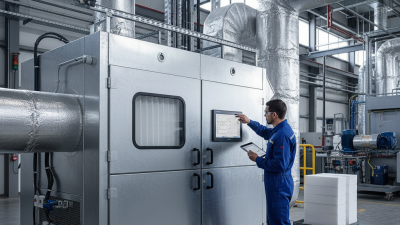
An air handling unit (AHU) is essential in modern HVAC systems. It processes air, adjusting temperature and humidity to enhance indoor comfort. Understanding how an air handling unit operates is crucial for both residential and commercial spaces.
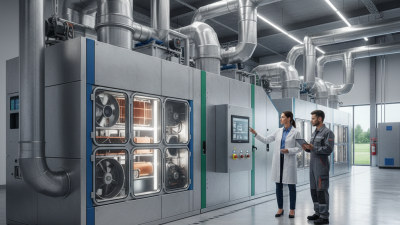
These units can be larger than you expect. Typically, they contain components like fans, filters, and coils. Each part contributes to the overall air quality and energy efficiency. However, not all air handling units are designed the same. Some may underperform or require regular maintenance, leading to inefficiencies.
Reflecting on the importance of an air handling unit brings challenges. Users must ensure they choose the right size and configuration. Overlooking these factors can lead to inadequate air flow or excessive energy consumption. Proper knowledge and periodic evaluation can prevent these common mistakes.
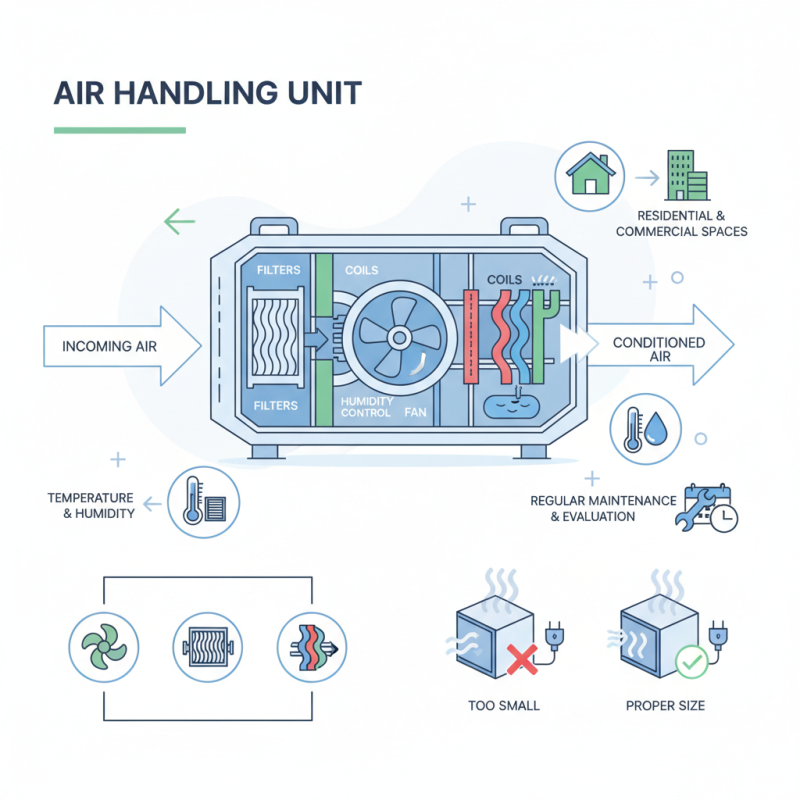
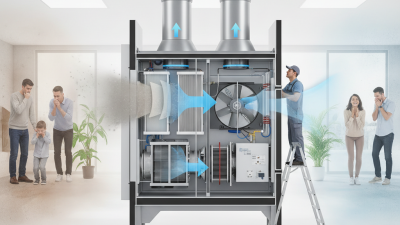
An Air Handling Unit (AHU) is a key component in HVAC systems. It is designed to regulate and circulate air throughout a building. Typically, an AHU consists of fans, filters, heating and cooling coils, and dampers. These elements work together to ensure proper air quality and temperature control.
In operation, the AHU draws in outside air and filters it to remove dust and debris. The air then passes through heating or cooling coils, adjusting its temperature. After this, fans distribute it into different spaces. This process creates a comfortable environment for occupants. Regular maintenance of the AHU is critical. Neglecting to clean filters can lead to inefficient operation and poor air quality. It's important to monitor system performance regularly.
Many buildings benefit from AHUs, but there are challenges. Sizing an AHU correctly is crucial; oversizing can waste energy. Duct design also impacts efficiency. Space limitations may make installation difficult. An effective AHU contributes to a building’s sustainability goals. Yet, optimizing performance requires ongoing attention and improvements.
An Air Handling Unit (AHU) is key to air management in buildings. Understanding its components helps grasp how it functions.
One vital part is the fan. It circulates air throughout the system. Without a reliable fan, air quality suffers. Filters are another essential component. They capture dust and allergens. Regular cleaning or replacement is crucial to maintain efficiency.
One tip: consider the location of your AHU. Placing it away from direct sunlight can enhance its lifespan.
Heating and cooling coils regulate temperature, creating a comfortable environment. Additionally, dampers control airflow. They adjust air intake based on demand. This, however, can be tricky. Improperly set dampers lead to wasted energy.
Monitoring each part regularly ensures optimal performance. Small issues can escalate if overlooked. Keeping an eye on the system protects its efficiency.
| Component | Function | Benefits |
|---|---|---|
| Fan | Circulates air through the system | Improves air distribution and comfort |
| Filter | Cleans the air by removing dust and pollutants | Enhances indoor air quality |
| Heat Exchanger | Transfers heat between incoming and outgoing air | Improves energy efficiency |
| Humidifier | Adds moisture to the air | Maintains comfortable humidity levels |
| Damping System | Regulates airflow and pressure | Ensures optimal system performance |
| Controls | Automates operation and monitors system performance | Enhances control and efficiency |
Air Handling Units (AHUs) play a vital role in modern HVAC systems. Understanding how they operate can provide valuable insights into their importance. The functioning of an AHU begins when outside air is drawn in through an intake. This air passes through filters that capture dust and allergens, ensuring cleaner air.
Once filtered, the air moves to the heating or cooling coils. These coils adjust the air temperature based on the desired conditions. After temperature control, the air is pushed into the building through ductwork. This step is crucial, as it ensures even circulation throughout all spaces.
Throughout this process, monitoring is essential. Sensors track temperature and humidity, helping maintain the right balance. If something goes wrong, like a filter getting blocked, airflow can become restricted. This leads to inefficient operation and higher energy costs. Regular maintenance is important. It can catch issues early and improve performance, which is often overlooked.
Air handling units (AHUs) are crucial components in HVAC systems. They condition and circulate air to maintain a comfortable indoor environment. Using AHUs offers several key benefits that enhance both efficiency and air quality.
One major advantage of AHUs is their ability to filter air, improving overall indoor air quality. By removing dust, allergens, and other harmful particles, AHUs create a healthier space. This is especially important in commercial settings, where many people gather. Proper filtration can significantly reduce respiratory issues.
Another benefit is energy efficiency. AHUs can be designed to recover heat from exhaust air, minimizing energy waste. This not only lowers utility bills but also supports sustainability efforts. However, a poorly maintained unit can offset these benefits. Regular inspections and repairs are necessary to ensure optimal performance. Without proper upkeep, energy savings may dwindle.
In addition, AHUs can be customized to meet specific needs. Different facilities may have varying air flow and temperature requirements. This flexibility allows for tailored solutions, which can enhance comfort levels. Yet, balancing these variables can be tricky. Each adjustment needs careful consideration to avoid compromising air quality or efficiency.
This chart illustrates the energy efficiency of different Air Handling Units (AHUs) based on their Seasonal Energy Efficiency Ratio (SEER). Higher SEER values indicate better energy efficiency, which can lead to reduced operational costs and environmental impact when using AHUs in HVAC systems.
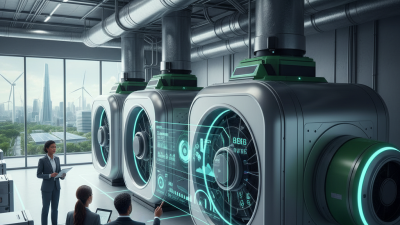
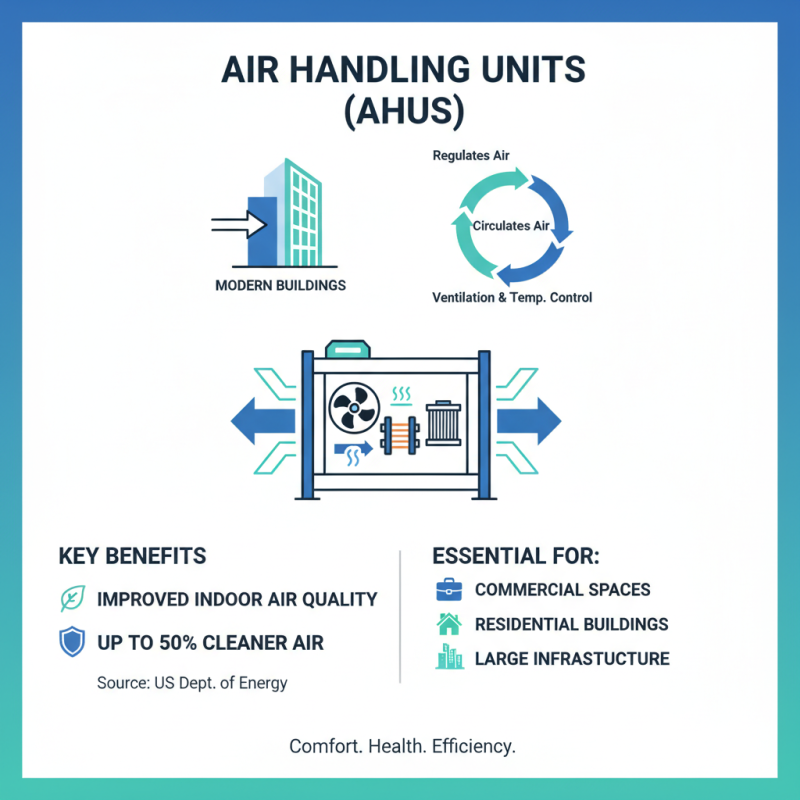
Air Handling Units (AHUs) play a crucial role in modern building environments. These systems are responsible for regulating and circulating air throughout commercial and residential spaces. According to the U.S. Department of Energy, effective air handling can improve indoor air quality by up to 50%. This is especially vital in large buildings where ventilation and temperature control are essential.
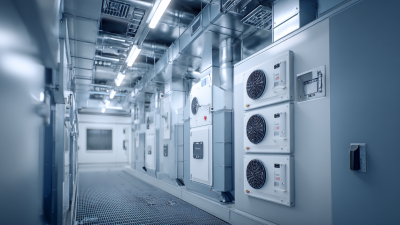
Common applications of AHUs include office buildings, hospitals, and shopping malls. In these spaces, AHUs manage heating, cooling, and humidity. Hospitals, for instance, require strict air filtration systems. About 80% of healthcare-associated infections are linked to airborne pathogens. AHUs enhance filtration and control airflow, thus reducing infection risk.
However, there are challenges. Many buildings still have outdated AHUs that are less efficient. A report from the National Institute of Standards and Technology suggests that upgrading these units could save over 30% on energy costs. Additionally, some AHUs struggle with uneven air distribution, leading to comfort issues. Focusing on the right design and regular maintenance can help tackle these inefficiencies.