Skip to content

Why Are Air Handling Systems Essential for Indoor Air Quality?

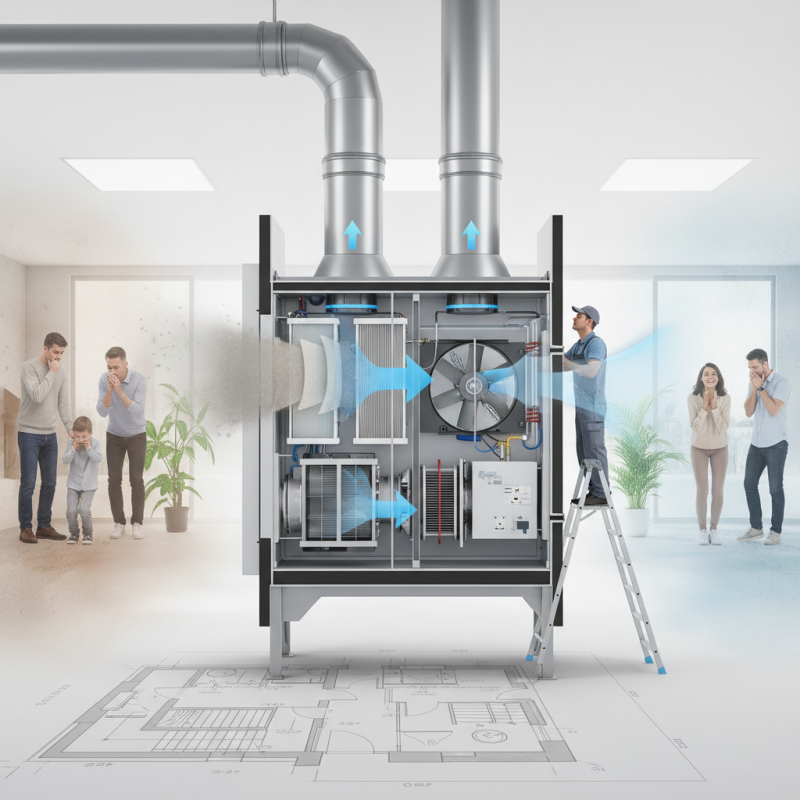
Indoor air quality is a crucial aspect of our daily lives. Poor air can lead to various health issues, including allergies and respiratory problems. Air handling systems play a vital role in maintaining healthy indoor environments. They circulate air, remove contaminants, and control humidity levels.

Without efficient air handling systems, indoor spaces can become stagnant. This stagnation may lead to higher concentrations of pollutants. Many building owners overlook the importance of regular maintenance. Ignoring issues can result in inadequate airflow and increased energy costs. This lack of attention could cause discomfort and health risks.

Investing in quality air handling systems is essential. They not only improve air quality but also enhance overall comfort. Regular inspections and upgrades can make a significant difference. However, many decide to wait until problems arise. This approach often leads to costly repairs and complications. The need for awareness and proactive measures remains critical for all indoor environments.
Why Are Air Handling Systems Essential for Indoor Air Quality?

Understanding Indoor Air Quality and Its Importance
Why Are Air Handling Systems Essential for Indoor Air Quality?

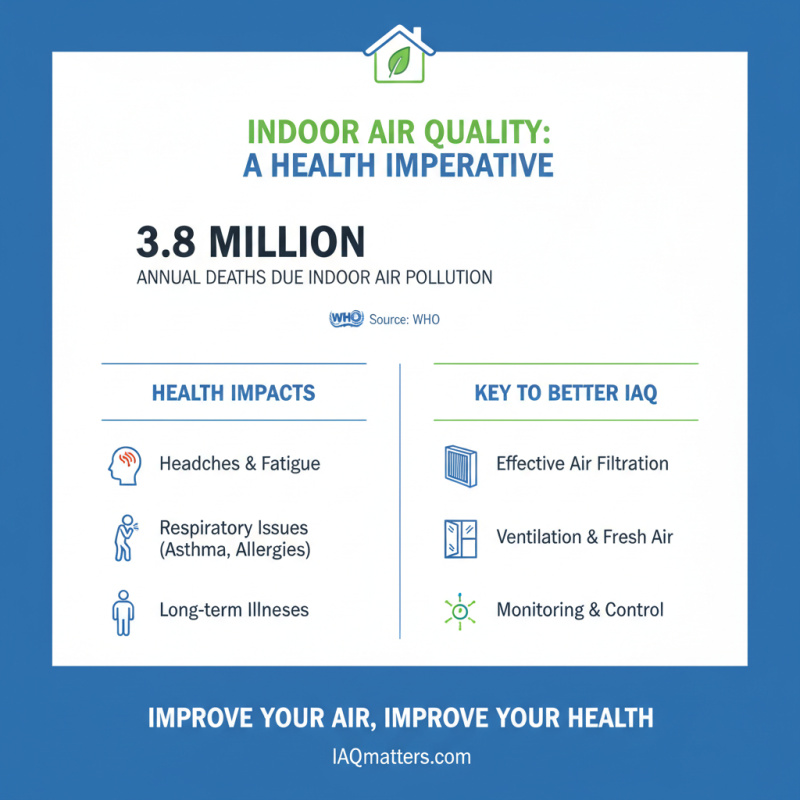
Indoor air quality (IAQ) plays a crucial role in our daily health and comfort. Poor indoor air can lead to various health issues. According to the World Health Organization (WHO), around 3.8 million people die annually from indoor air pollution. This statistic underscores the urgent need for effective air handling systems.

These systems regulate temperature and humidity while filtering out pollutants. They significantly reduce airborne dust, allergens, and mold spores. For example, the Environmental Protection Agency (EPA) states that indoor levels of pollutants can be two to five times higher than outdoor levels. This disparity highlights the necessity of maintaining good air quality indoors. Implementation of proper ventilation can mitigate these risks, yet many spaces are still under-ventilated.

In many buildings, air handling systems are outdated or insufficient. Owners often overlook these essential components. This inattention might lead to increased respiratory issues among occupants. Regular maintenance and updates are crucial for ensuring optimal performance. Sometimes, even small changes in airflow can profoundly impact air quality. We must remain vigilant about these systems, understanding their importance for our health and well-being.
Role of Air Handling Systems in Ventilation and Air Distribution

Air handling systems play a pivotal role in ensuring effective ventilation and air distribution within indoor spaces. They help move fresh air into buildings, which reduces pollutants and improves overall indoor air quality. These systems filter and condition air to maintain comfort levels. Inadequate systems may lead to stale air, causing discomfort and health issues for occupants.

Effective air distribution is crucial for creating a balanced indoor atmosphere. Proper airflow helps eliminate temperature fluctuations and avoids areas of stagnant air. However, maintaining optimal performance can be challenging. Ducts might get clogged with dust, affecting air quality. Regular maintenance and check-ups can address these issues but often get overlooked.

The design of air handling systems should prioritize efficiency. Well-designed systems facilitate even air distribution while minimizing energy costs. Yet, many buildings face limitations due to outdated infrastructure. The need for modernization is crucial. Investing in better technology can greatly enhance performance and air quality, ultimately benefiting everyone indoors.

Impact of Air Handling Systems on Indoor Air Quality

Components of Air Handling Systems Affecting Air Quality

Air handling systems play a critical role in maintaining indoor air quality. Various components within these systems directly influence the air we breathe. For instance, filters are the first line of defense. High-efficiency particulate air (HEPA) filters can trap up to 99.97% of particles that are 0.3 microns or larger. However, not all systems use such efficient filters, which can lead to poor air quality.

The fans in air handling units also significantly impact air quality. They control air circulation and influence the distribution of contaminants. According to a report from the Environmental Protection Agency, inadequate air movement can allow pollutants to build up. This stagnant air can lead to mold growth and an increase in allergens.

Furthermore, the design of the ductwork affects airflow and air quality. Poorly designed ducts can create dead zones where air does not circulate. This can result in stale air and increased levels of indoor pollutants. A study by the American Society of Heating, Refrigerating and Air-Conditioning Engineers highlights how improper maintenance can exacerbate this issue.

Routine checks and maintenance are essential for optimal performance, yet many facilities neglect them. The consequences are often felt in public buildings, where air quality is vital for health and productivity.

Maintenance Practices for Optimal Air Handling Performance

Why Are Air Handling Systems Essential for Indoor Air Quality?

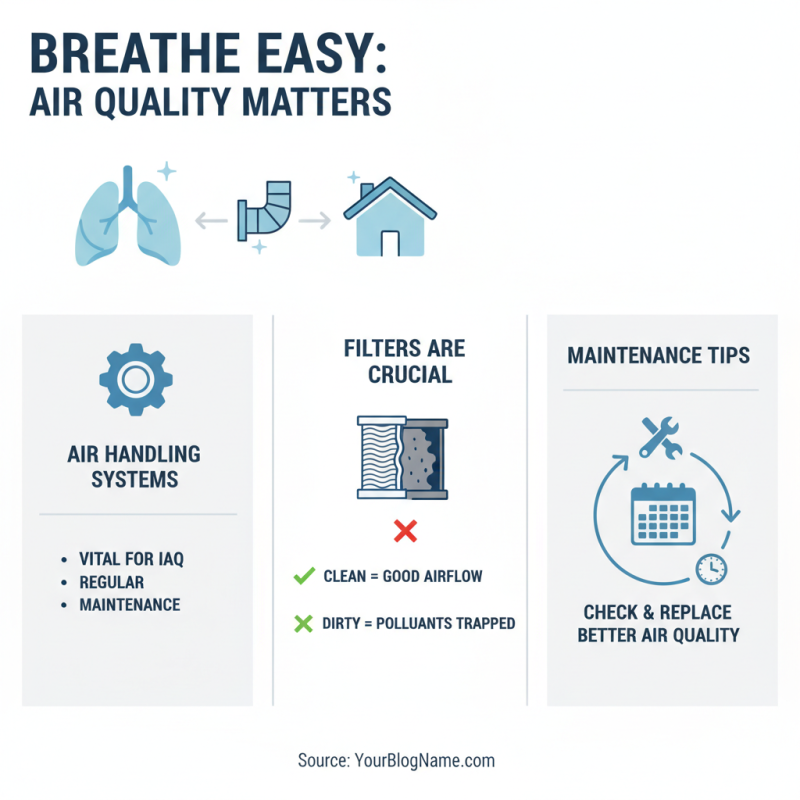
Air handling systems are vital for maintaining indoor air quality. Regular maintenance practices ensure these systems operate effectively. Clean filters are crucial. Dirty filters restrict airflow and trap pollutants. Check and replace them regularly for better air quality.

Consider duct cleaning as part of your maintenance routine. Dust and debris can accumulate, leading to potential health risks. A professional cleaning every few years can enhance airflow. This improves both comfort and health indoors.

Here’s a tip: set reminders for maintenance tasks. This helps avoid neglect. A small effort now can prevent bigger problems later. Air handling systems work best when cared for regularly. Pay attention to unusual noises or smells. These signals might indicate underlying issues needing immediate attention.

Impact of Air Handling Systems on Health and Well-Being

Air handling systems play a crucial role in maintaining indoor air quality. They filter, cool, and circulate air in homes and buildings. Good air quality is essential for health and well-being. Poor indoor air can lead to allergies, asthma, and other respiratory issues. It can affect productivity and overall mood. A well-functioning air handling system reduces pollutants and ensures that fresh air circulates regularly.

Tip: Regular maintenance of air filters is vital. Clogged filters can restrict airflow and allow harmful particles to linger. Change your filters every few months to keep the air clean.

Indoor environments often contain dust, mold, and other allergens. Air handling systems help manage these contaminants. However, if not properly maintained, these systems can harbor problems. Neglected ducts can spread dust and allergens throughout the space. It’s crucial to schedule regular inspections to ensure everything is functioning well.

Tip: Consider using a hygrometer to monitor indoor humidity. High humidity can lead to mold growth, while low humidity can dry out the air. Adjusting humidity levels can greatly improve air quality and comfort.