What is Air Handling Systems and How Do They Work?
Air handling systems play a crucial role in modern buildings, ensuring comfort and indoor air quality. These systems are responsible for circulating, filtering, and conditioning air within commercial and residential spaces. They come in various sizes and configurations, tailored to meet specific needs.
Understanding how air handling systems operate is vital for both efficiency and environmental impact. They consist of fans, filters, coils, and ducts, working together to create a consistent airflow. Regular maintenance is essential to ensure optimal performance. However, users often overlook this aspect, leading to inefficiencies.
Air handling systems can be complex, with multiple components that require attention. Understanding these details helps in making informed decisions about upgrades or repairs. It's easy to take air quality for granted, but it impacts health significantly. Exploring air handling systems can illuminate areas for improvement.
What is an Air Handling System?
An air handling system is essential for maintaining comfortable and healthy indoor environments. These systems manage air flow within buildings. They filter, heat, and cool air, ensuring that spaces remain pleasant throughout the year. Typically, they consist of fans, heating and cooling coils, filters, and ductwork.
Air handling systems draw outside air, condition it, and distribute it indoors. This process can significantly impact energy consumption. In many cases, inefficient systems waste energy while providing inadequate ventilation. For example, poorly designed ductwork can cause air leaks and uneven distribution. Regular maintenance is vital but often overlooked.
Some users may not realize the importance of quality filters. Dirty filters can hinder airflow, leading to increased energy use. Inadequate air flow affects comfort and efficiency. Understanding these nuances is key for operators and building managers. A little reflection on these details can lead to better decision-making.
Components of Air Handling Systems Explained
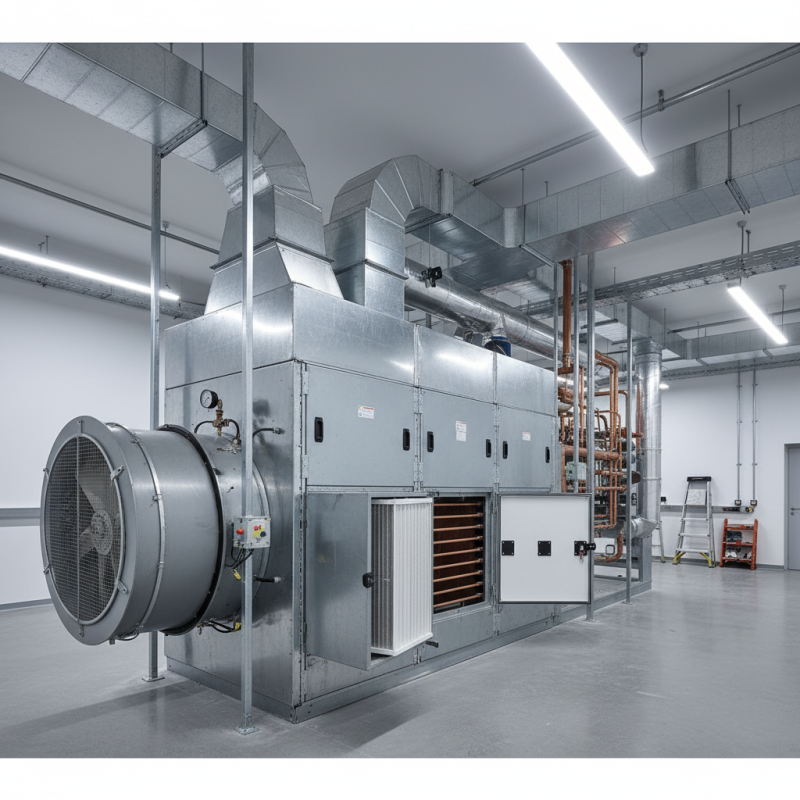
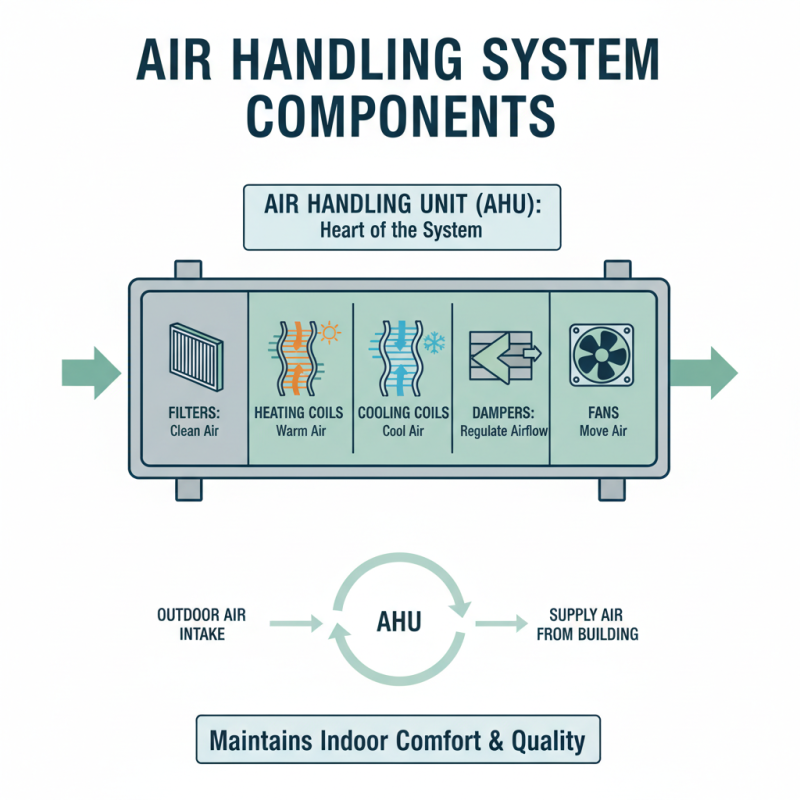
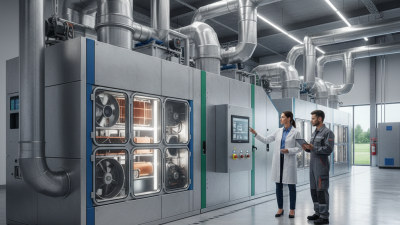
Air handling systems play a crucial role in maintaining indoor air quality. They move air through various components to regulate temperature and humidity. An air handling unit (AHU) is the heart of this system. It consists of fans, filters, heating and cooling coils, and dampers. Each part has a specific function, working together to ensure a comfortable environment.
Filters are essential for trapping dust and other pollutants. They help improve indoor air quality. Heating and cooling coils adjust the air temperature. Without them, maintaining comfort levels would be difficult. Dampers control airflow, allowing for fine-tuning throughout the space. While the components seem straightforward, their installation requires careful planning and execution.
Fans can create noise that some may find disruptive. Regular maintenance is often neglected, leading to reduced efficiency. It’s easy to overlook the importance of airflow balance. An unbalanced system can result in hot or cold spots. Identifying and solving these issues takes time and effort. Each component must work optimally for the entire system to function effectively. This interconnectedness can be both a strength and a challenge.
How Air Handling Systems Operate Step by Step
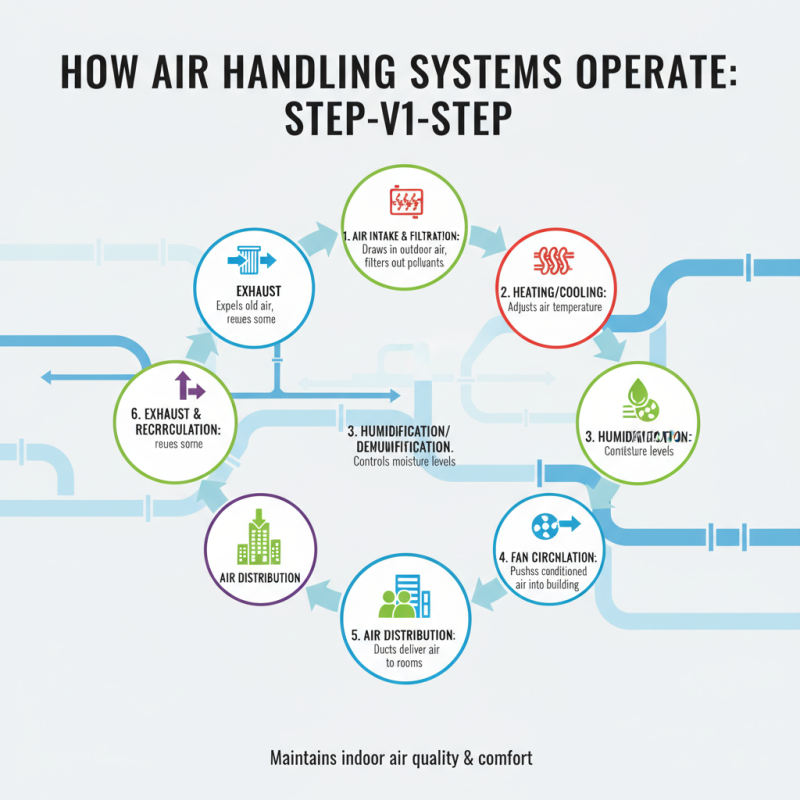
Air handling systems are crucial for maintaining indoor air quality and comfort. They work by circulating air throughout a building. To understand how these systems operate, let’s break down the process.
Air handling begins with fans drawing in stale air from the environment. This air often contains pollutants and must be filtered. Filters capture dust, allergens, and other particulates, improving air quality. Next, the air passes through heating or cooling coils. This step adjusts the temperature, making the space comfortable. Humidity control may also occur during this phase.
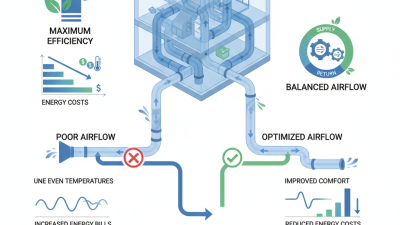
Once conditioned, the air is pushed through ducts into various rooms. This process requires careful balancing of airflow to avoid hot or cold spots. Many systems include dampers to regulate airflow. It’s not foolproof, though. Sometimes, we may notice uneven temperatures in a building. This inefficiency highlights the need for regular maintenance and checks for obstructions. Keeping up with these tasks ensures the air handling system performs optimally.
Benefits of Implementing Air Handling Systems
Air handling systems play a crucial role in maintaining indoor air quality. They filter, heat, and cool the air that circulates throughout a building. By implementing these systems, businesses can enjoy numerous benefits that enhance their work environment.
One significant advantage is improved air quality. Clean air can lead to better employee productivity and fewer sick days. Effective filtration systems capture dust, allergens, and pollutants. This reduction in airborne contaminants promotes a healthier workplace. When employees feel better, they perform better.
Energy efficiency is another benefit of air handling systems. These systems are designed to optimize airflow and control temperatures, which can lead to lower energy costs. Investing in modern technology can yield substantial savings over time. However, not all systems are created equal. Choosing the right one requires careful consideration and sometimes a bit of trial and error. Regular maintenance and adjustments can help maximize energy efficiency and performance.
Common Applications of Air Handling Systems in Various Industries
Air handling systems play a vital role across various industries. They help improve air quality and regulate temperature. According to a report by the Global HVAC Market, air handling units account for over 35% of energy consumption in commercial buildings. This highlights their importance in energy efficiency.
In the healthcare sector, air handling systems maintain sterile environments. Hospitals use these systems to filter pathogens and control humidity. Studies show that proper airflow reduces infection rates significantly. In industrial settings, air handling units manage dust and particulate matter. They safeguard workers' health while ensuring compliance with safety regulations. Many factories report reduced absenteeism due to improved air quality.
However, not all systems are optimized. Some facilities still struggle with outdated technology. Upgrading air handling systems can be costly, yet it is essential. A study published in the Journal of Environmental Management suggests that after upgrades, energy efficiency can improve by up to 30%. Balancing cost and effectiveness remains a challenge for many industries.